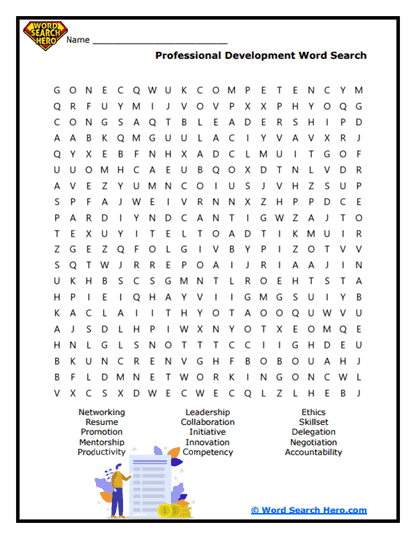
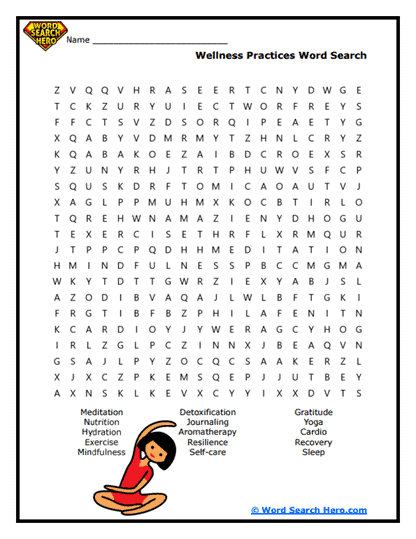
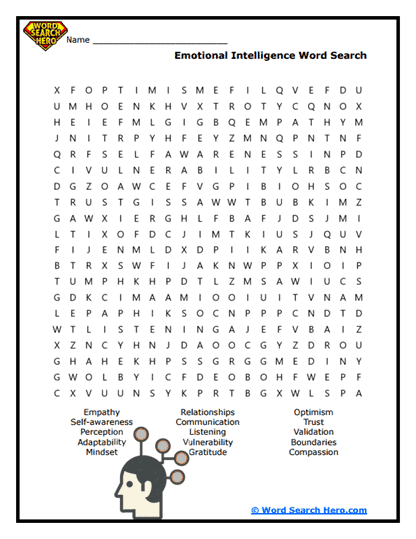
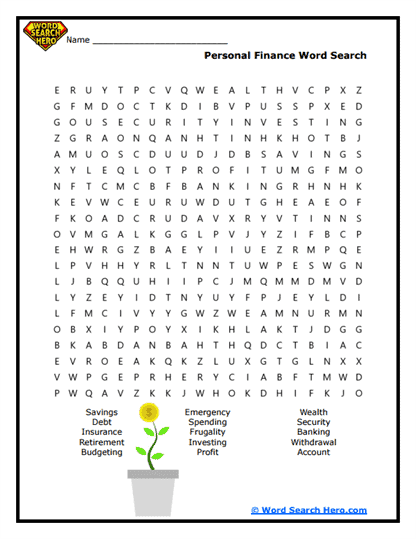
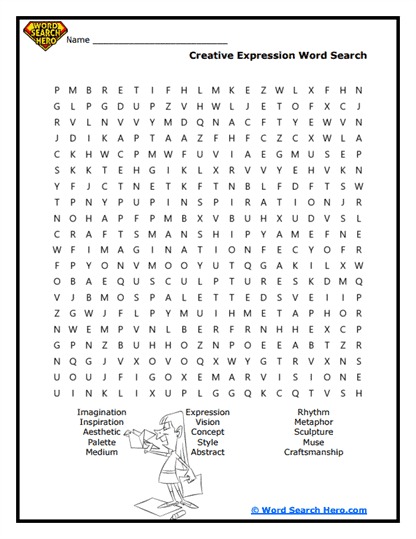
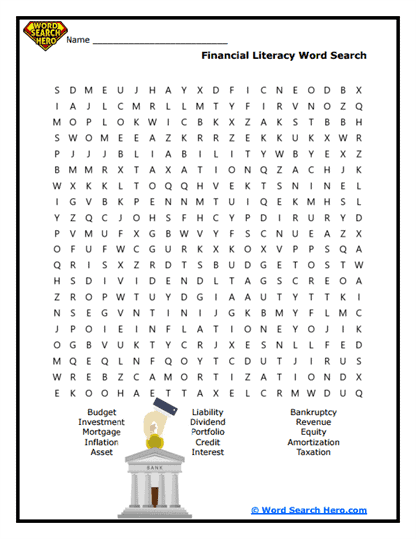
About Our Adult Vocabulary Word Searches
Building a stronger vocabulary doesn’t have to mean flashcards or memorizing long word lists. These adult vocabulary word searches take a different approach-one that feels more like a break than a lesson.
Each puzzle is packed with words you’re likely to come across in books, articles, and everyday professional writing. Instead of studying them in isolation, you interact with them in a more natural way-spotting patterns, recognizing familiar roots, and slowly getting more comfortable with words that might have felt intimidating before.
They’re easy to print and easy to start, which makes them surprisingly versatile. Use them during a quiet moment at home, as part of a classroom routine, or whenever you want something low-effort but still mentally engaging. No prep, no pressure-just a puzzle you can pick up and work through at your own pace.
Building Language Through Vocabulary Scaffolding
When learners encounter advanced words, the biggest challenge often isn’t pronunciation or spelling-it’s familiarity. That’s where puzzle-based practice can make a big difference. Word searches naturally support vocabulary scaffolding, a teaching approach where learners build understanding step by step.
In a vocabulary-focused puzzle, learners first recognize the visual pattern of a word. This recognition stage is powerful because it creates familiarity before deeper learning happens. Once a learner has spotted a word several times in a puzzle, it becomes easier to notice that same word while reading an article, book, or assignment.
Teachers often extend this process with simple follow-up activities. After completing a puzzle, students can circle three unfamiliar words and look them up in a dictionary or discuss them with a partner. Another effective strategy is asking learners to write a sentence using one of the puzzle words. This small step transforms passive recognition into active vocabulary use.
Word searches also support learners who may feel intimidated by traditional vocabulary drills. Because the activity feels like a game, students remain engaged without the pressure of memorization tests.
For adult learners especially, this relaxed learning format is ideal. It allows vocabulary practice to happen naturally, encouraging curiosity about language rather than anxiety about getting every answer right.
Over time, these small moments of exposure build confidence with complex words and strengthen reading comprehension in a subtle but effective way.
 Paul’s Pro-Tip
I learned one simple trick: don’t rush the puzzle. When students (or adults!) race through a word search, they miss the real learning opportunity.
Instead, I tell learners to pause after finding a tricky word and say it out loud. Then try using it in a quick sentence-even a silly one works. Trust me, the brain remembers words much better when you hear and use them.
One of my students once used the word meticulous to describe how carefully he searched the puzzle grid. I told him that might be the most perfect vocabulary example I’d ever heard!
Slow down, enjoy the hunt, and let the words stick.
Real-World Applications of Advanced Vocabulary
Strong vocabulary skills influence far more than test scores-they shape how people communicate in everyday life. Advanced language knowledge helps individuals express ideas clearly, understand complex reading materials, and participate confidently in professional or academic discussions.
Puzzle-based vocabulary activities provide a surprisingly effective gateway into these real-world language skills. When learners repeatedly encounter sophisticated terms in a relaxed setting, the words gradually become part of their working vocabulary.
For example, adults preparing for job interviews often benefit from expanding their word knowledge. Words related to leadership, analysis, or communication frequently appear in workplace conversations and professional writing. Recognizing these terms can improve both comprehension and confidence.
Readers also gain an advantage. Many novels, articles, and research materials include descriptive or technical vocabulary that may be unfamiliar at first. Exposure through puzzles builds recognition, making it easier to process these words during reading.
Educators sometimes pair vocabulary puzzles with writing prompts. After completing a puzzle, learners might write a short paragraph using two or three of the discovered words. This approach helps bridge the gap between recognition and practical language use.
In the end, vocabulary practice doesn’t have to feel like studying. Activities that combine entertainment with learning-like word searches-create opportunities to strengthen language skills in ways that feel enjoyable and natural.
Frequently Asked Questions
How hard are these word searches compared to typical puzzles?
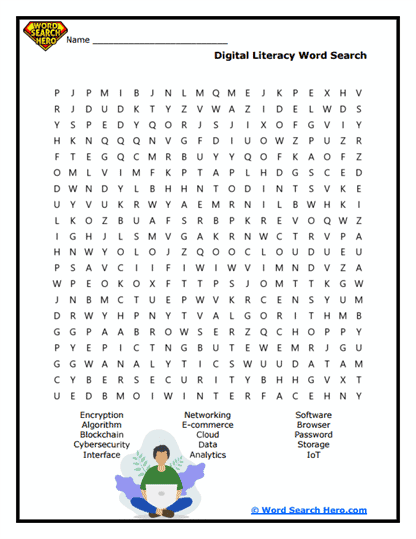
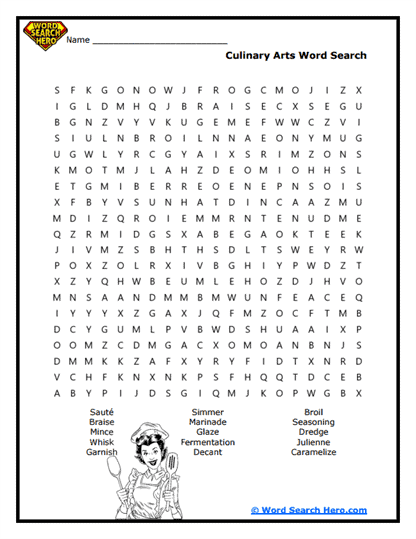
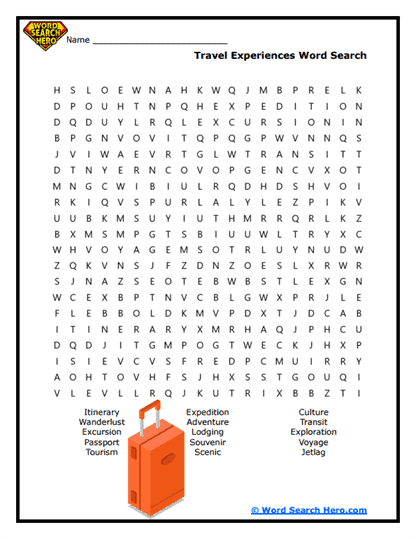
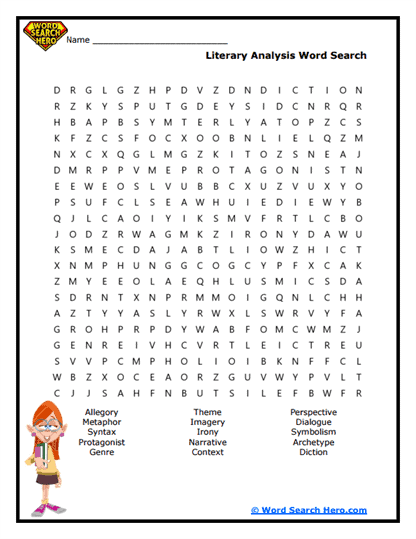
These are noticeably more challenging than standard word searches. You’ll see longer words, larger grids, and answers hidden in multiple directions-including diagonals and backward. Most people won’t finish these in just a few minutes.
How long does it usually take to complete one?
It depends on the puzzle, but most take anywhere from 10 to 25 minutes. If you’re taking your time or working casually, some can last even longer.
Are the puzzles ready to print right away?
Yes. Each puzzle is designed to be quickly printed and used immediately-no sign-ups, downloads, or extra steps required.
Do the puzzles include answer keys?
Yes. Every puzzle comes with a complete solution, which is helpful for checking your work or using them in a classroom or group setting.
What makes these different from basic word searches?
The main difference is the level of challenge. These puzzles use more advanced vocabulary and more complex layouts, so they require more focus and a more methodical approach to solve.