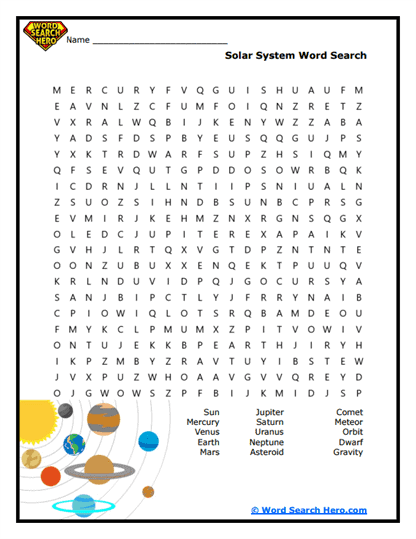
About Our Science Word Searches
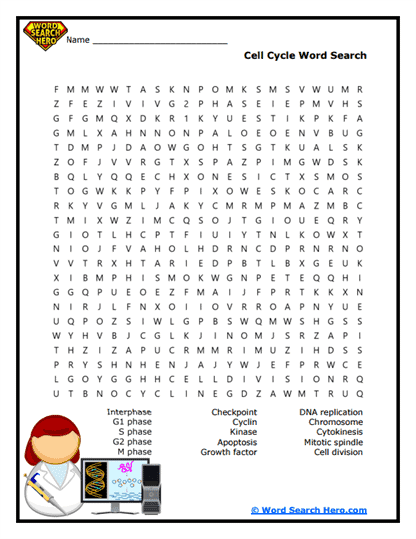
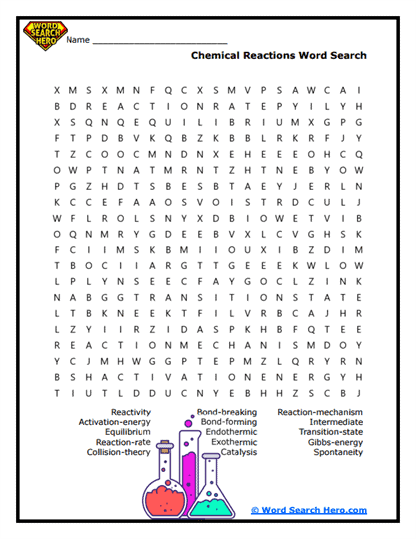
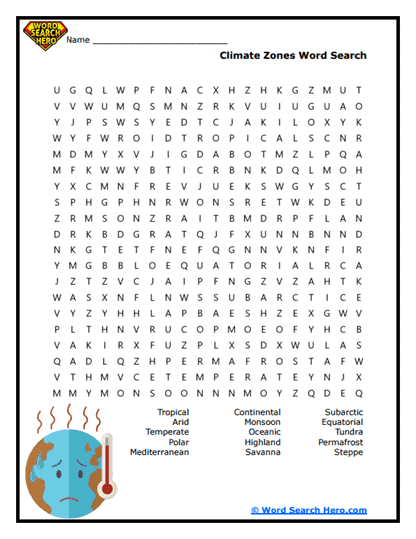
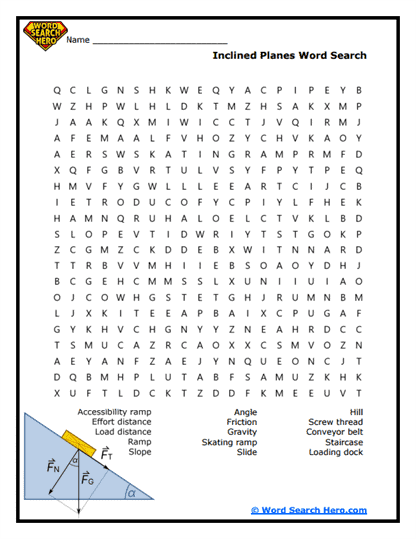
Science word searches introduce students to important vocabulary connected to the natural world, scientific discovery, and how things work. These printable puzzles help learners become more familiar with common science terms while strengthening reading, spelling, and observation skills. Before students dive deeply into scientific concepts, it often helps to first recognize and become comfortable with the language used in science.
Science includes many fascinating topics such as plants, animals, space, weather, energy, and the human body. Words like gravity, experiment, planet, ecosystem, and energy appear often in science lessons and textbooks. A word search provides a simple and engaging way for students to explore these terms while reinforcing spelling and vocabulary.
Because the activity feels like a puzzle rather than a traditional worksheet, it can make science review more enjoyable and less intimidating. Teachers often use these printables during science centers, morning work, independent practice, or early finisher time. Parents and homeschool educators can also easily include them in lessons as a way to reinforce science vocabulary while keeping learning interactive.
As students search for the words in the puzzle grid, they strengthen visual scanning skills, concentration, and pattern recognition. At the same time, they are building familiarity with the scientific terms they will encounter in experiments, discussions, and science reading materials.
Building Scientific Vocabulary
Science relies heavily on vocabulary that describes processes, observations, and discoveries. Learning these words helps students better understand explanations, instructions, and scientific ideas presented in class or in textbooks.
When students become familiar with common science terms, they can follow lessons more easily and participate more confidently in discussions. Understanding words like observe, hypothesis, measure, and data helps students understand how scientists investigate questions and solve problems.
Word searches support this learning by giving students repeated visual exposure to important science vocabulary. Seeing the same words multiple times strengthens recognition and helps students remember how they are spelled and used.
This type of activity works particularly well as an introduction to a new science unit or as a review after students have learned new concepts.
Paul’s Pro-Tip
One powerful way to extend this puzzle is to turn it into a quick “science vocabulary explorer” activity. After students complete the word search, choose several words from the puzzle and ask students to explain what each word means in their own words.
If students are unsure, encourage them to look up the word or discuss it as a group. You can also ask students to write a short sentence that uses the word correctly in a science context.
This approach adds significant instructional value because it moves students beyond simply recognizing the word. Teachers and homeschool educators can quickly see whether students understand the concept behind the vocabulary. When students can define and use scientific terms correctly, they are building stronger comprehension skills that support future science learning.
Encouraging Curiosity Through Language
Science education is not only about memorizing facts-it is also about asking questions, making observations, and exploring how the world works. Understanding scientific vocabulary helps students describe what they see and communicate their ideas clearly.
As students become more comfortable with science terms, they are more likely to participate in experiments, ask thoughtful questions, and explain their observations.
A word search can serve as a helpful starting point for science discussions. After completing the puzzle, educators can encourage students to connect the words to real-world examples, classroom experiments, or everyday experiences.
When students build confidence with science vocabulary, they develop the language skills needed to explore scientific ideas and think like young scientists.
Frequently Asked Questions
When are science word searches most useful?
They work well as a warm-up activity, vocabulary review, science center activity, or early finisher task during science lessons.
What grade levels benefit from these puzzles?
They can be adapted for many grade levels, from elementary students learning basic science terms to older students reviewing more advanced vocabulary.
Can homeschool educators include these puzzles in science lessons?
Yes. They are easy to print and can be used alongside science readings, experiments, or discussion activities.
Do word searches help students learn science vocabulary?
They can. Repeated exposure to science terms helps students recognize, remember, and spell important vocabulary.
What is a good follow-up activity after completing the puzzle?
A helpful next step is asking students to choose several words from the puzzle and explain their meaning or use them in a short sentence related to science.