Choose a topic !

Kindergarten Word Searches

Number Quest Word Search

Number Quest

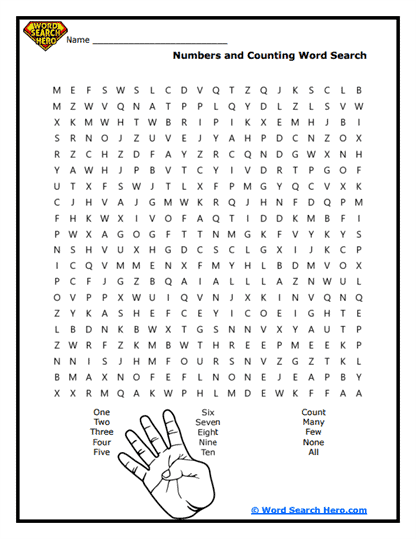
This word search focuses on numbers and counting-related vocabulary. The words included range from numerical values like “One” to “Ten” and counting-related terms such as “Many” and “Few.” This puzzle helps students familiarize themselves with number words, an essential skill for early math literacy. By finding and recognizing these words, students reinforce their understanding of […]

View More
Seasonal Time Word Search

Seasonal Time

This word search features vocabulary related to time and the four seasons. Words such as “Morning,” “Afternoon,” and “Evening” cover different parts of the day, while “Winter,” “Summer,” “Spring,” and “Fall” introduce seasonal terms. Additionally, words like “Holiday” and “Birthday” help children recognize special events and yearly occurrences. Completing this puzzle helps students understand time […]

View More
Physiology Facts Word Search

Physiology Facts

This word search is all about body parts and their functions. It includes fundamental words like “Head,” “Eyes,” “Mouth,” and “Ears” to help students learn the names of key body parts. Additional words such as “Hands,” “Feet,” “Fingers,” and “Toes” encourage a deeper understanding of how the body works. This puzzle helps reinforce body awareness, […]

View More
School Tools Word Search

School Tools

This word search introduces students to common school-related words. Words like “Teacher,” “Student,” “Class,” and “School” set the foundation for understanding educational environments. Items such as “Crayon,” “Glue,” “Book,” and “Eraser” help reinforce school supply vocabulary. Completing this puzzle familiarizes children with the tools and people they interact with in a classroom. This word search […]

View More
Feeling Words Word Search

Feeling Words

This word search focuses on emotions and feelings, helping children recognize words that describe their moods. It includes words like “Happy,” “Sad,” “Angry,” and “Excited” to cover a range of emotions. Additional words such as “Brave,” “Funny,” “Friendly,” and “Proud” encourage children to express positive traits. This puzzle supports emotional literacy by giving students the […]

View More
Everyday Finds Word Search

Everyday Finds

This word search contains common household and daily-use objects. Words like “Book,” “Chair,” “Table,” and “Window” introduce children to frequently seen items. Additional terms like “Pencil,” “Shoe,” “Cup,” and “Plate” reinforce basic object recognition. This puzzle helps students expand their vocabulary by identifying everyday objects in their surroundings. Learning to recognize and spell household objects […]

View More
Action Hunt Word Search

Action Hunt

This word search features common action words, also known as verbs. It includes physical activities such as “Run,” “Jump,” “Play,” “Walk,” and “Dance.” Additional words like “Write,” “Read,” “Look,” and “Talk” encourage the recognition of everyday actions. Completing this puzzle helps students understand verbs and their importance in communication. Recognizing action words improves students’ ability […]

View More
Family Ties Word Search

Family Ties

This word search is all about family members and relationships. Words like “Mom,” “Dad,” “Sister,” “Brother,” and “Grandma” introduce students to immediate family terms. Additional words such as “Cousin,” “Aunt,” “Uncle,” and “Relative” help expand family vocabulary. Completing this puzzle reinforces the importance of family relationships and their roles. Recognizing family-related words strengthens children’s communication […]

View More
Animal Kingdom Word Search

Animal Kingdom

This word search introduces students to various animals and their names. Words such as “Dog,” “Cat,” “Fish,” and “Bird” cover common household pets, while “Horse,” “Sheep,” and “Cow” introduce farm animals. Additional words like “Frog,” “Turtle,” “Tiger,” and “Bear” expand knowledge of wild creatures. This puzzle helps students identify and categorize different animals. Recognizing animal […]

View More
Outdoor Fun Word Search

Outdoor Fun

This word search focuses on outdoor and nature-related vocabulary. Words such as “Tree,” “Grass,” “Flower,” and “Sun” introduce natural elements. Additional words like “Park,” “Slide,” “Swing,” and “Bike” highlight outdoor activities. This puzzle helps children connect vocabulary with real-world outdoor experiences. Learning nature-related words improves environmental awareness and descriptive language skills. Searching for words in […]

View More

About Our Kindergarten Word Searches

Our Kindergarten Word Searches are designed to match the vocabulary and reading level that kindergarten students are beginning to explore. These puzzles introduce simple, recognizable words that support early reading skills while keeping the activity fun and approachable for young learners.

At the kindergarten level, children are starting to connect letters with sounds and recognize common sight words. Word search puzzles provide a playful way to practice those skills. Instead of simply reading or memorizing words, students actively search for them inside the puzzle grid, which helps reinforce both spelling and word recognition.

The vocabulary used in kindergarten puzzles typically includes short words that children encounter in early reading books and classroom lessons. These might include familiar objects, animals, colors, and simple action words that are part of a child’s everyday experiences.

Teachers often use kindergarten word searches during literacy centers, morning work, or quiet learning time. The puzzles give students a structured activity that strengthens reading skills while encouraging independence.

Parents and homeschool educators also appreciate these puzzles because they offer a simple way to reinforce kindergarten vocabulary at home. With just a printed page and a pencil or crayon, children can enjoy a learning activity that builds confidence and curiosity about words.

Building Early Reading Skills Through Puzzles

Kindergarten is an exciting stage of learning because many children begin reading their first words during this year. They start recognizing letters quickly, learning common sight words, and understanding that letters combine to form meaningful words.

Kindergarten word searches support this learning process by providing repeated exposure to grade-level vocabulary. Each time a child looks for a word in the puzzle, they review the spelling and practice identifying the letters in the correct order.

Many kindergarten puzzles also include words that children hear often in classroom instruction or storybooks. This familiarity helps learners feel more confident while solving the puzzle.

Teachers sometimes turn the puzzle into a guided activity by reading the words aloud and encouraging students to look for them together. This approach reinforces pronunciation, listening skills, and letter recognition.

Parents may also use these puzzles as a fun way to review vocabulary learned during the school week. When children recognize words they already know, it strengthens their reading confidence.

Over time, these simple puzzles help young learners become more comfortable with written language.

Paul’s Pro-TipPaul's Pro Tip For This Category

When helping a kindergarten student solve a word search, start by pointing out the first letter of each word.

Once children recognize the starting letter, ask them to look around that letter in the grid to see if the rest of the word appears nearby. This helps them learn that words follow a sequence of letters rather than being random.

It turns the puzzle into a step-by-step discovery.

Why Kindergarten-Level Word Searches Are Helpful

Kindergarten word searches support several important skills that children are developing during their first year of school.

One major benefit is letter recognition. As children search the grid, they repeatedly identify letters and begin recognizing them more quickly.

Another benefit is sight word reinforcement. Many kindergarten puzzles include words that students are encouraged to memorize because they appear frequently in early reading materials.

The puzzles also help develop visual scanning skills. Children learn to move their eyes across rows of letters while searching for patterns that match the word they are trying to find.

Word searches can also strengthen confidence and persistence. Even if a child needs help at first, each word they successfully locate gives them a sense of accomplishment.

Because the activity feels like a game rather than a lesson, children are often eager to continue searching for the next word.

These playful learning experiences help kindergarten students build a strong foundation for reading and spelling as they continue their education.

Frequently Asked Questions

What reading skills do kindergarten word searches support?

They reinforce letter recognition, simple spelling patterns, and early sight word familiarity.

Are the words in these puzzles appropriate for beginning readers?

Yes. The vocabulary is selected to match the reading level of kindergarten students.

Can kindergarten students complete these puzzles independently?

Some may be able to, but many benefit from guidance from a teacher, parent, or older sibling.

Do these puzzles include common kindergarten sight words?

Many of them do, which helps reinforce words students are learning to recognize quickly while reading.

How can teachers use these puzzles in the classroom?

They work well for literacy stations, morning activities, early-finisher tasks, or small group reading practice.