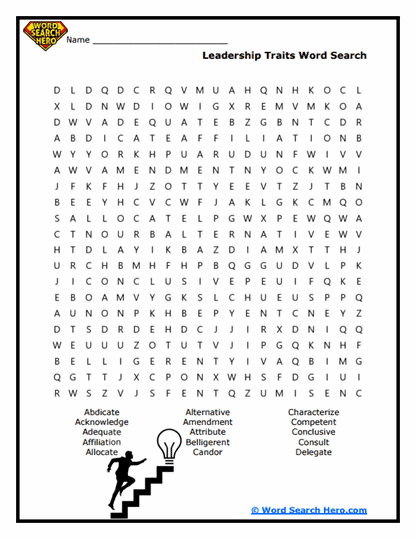
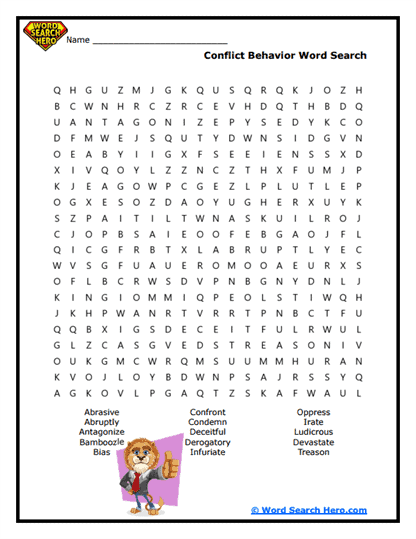
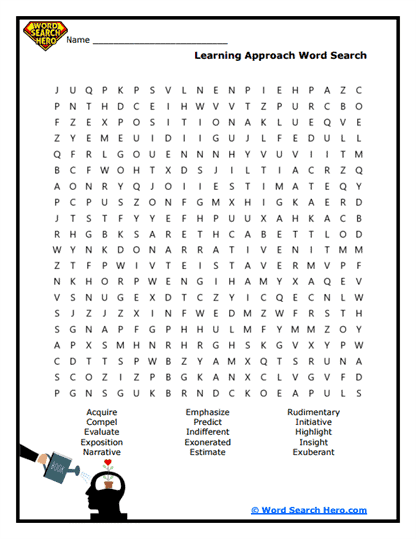
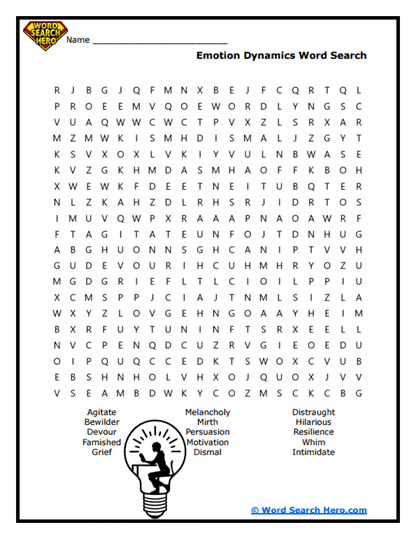
About Our Grade 7 Word Searches
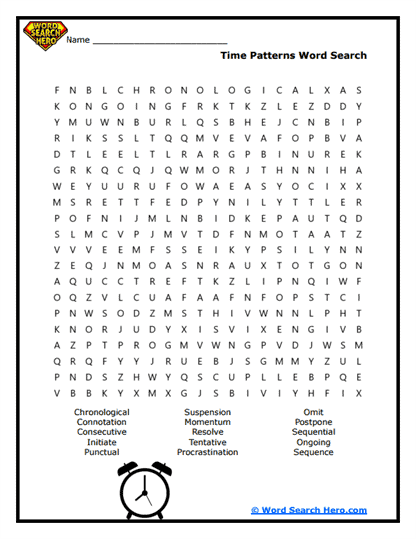
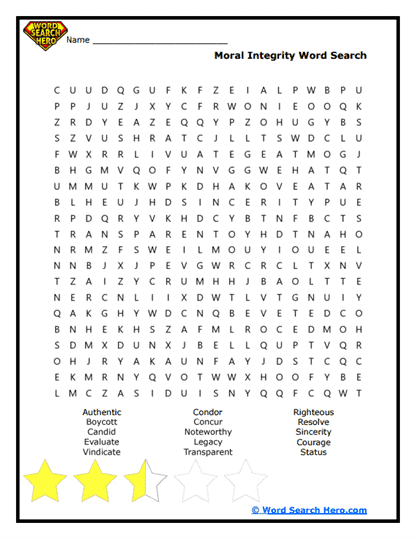
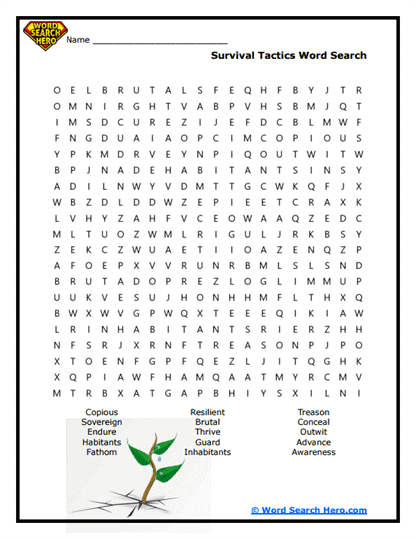
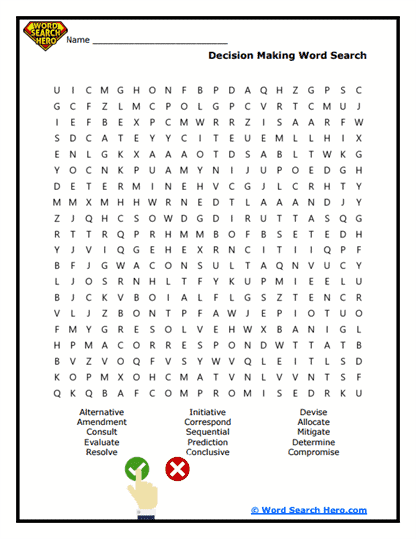
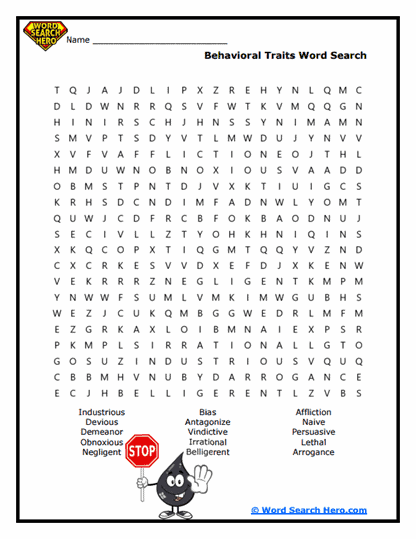
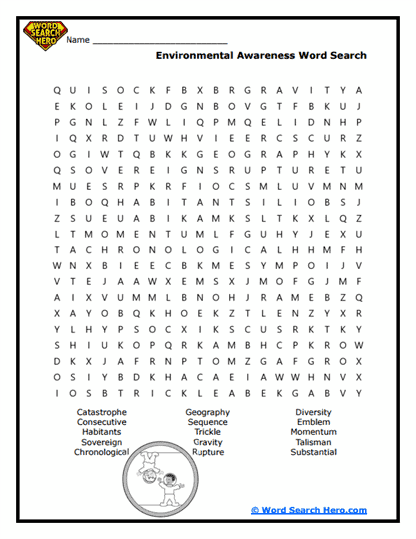
Our Grade 7 word searches are made for students who are growing their reading skills and learning more detailed vocabulary. At this level, words become longer and more connected to real school subjects like science, social studies, and personal development.
These puzzles include words about leadership, emotions, choices, and the environment. That makes them a great fit for lessons tied to leadership traits and teamwork skills or topics connected to environmental responsibility and awareness.
Instead of just studying a list, students search for each word in a puzzle grid. This helps them notice spelling patterns and word structure in a hands-on way. Over time, this makes it easier to recognize these words when reading or writing.
These puzzles are simple to use at school or at home. They feel fun, but they still help build strong language skills.
What These Word Lists Teach About Behavior and Responsibility
In Grade 7, vocabulary starts to focus more on how people think, act, and make choices. Students are no longer just learning basic words-they are learning words that describe behavior and responsibility.
Many of the words in these puzzles relate to real-life actions. Words like “integrity,” “initiative,” and “compromise” help students understand how people handle situations and make decisions.
Other words describe behavior in social settings. For example, students might see words about conflict, cooperation, or emotional reactions. These help them better understand how people interact with each other.
This type of vocabulary is important because it connects directly to daily life. Students can use these words when talking about their own choices, school situations, or group work. It also helps them better understand characters in stories and events in history.
By working with these words often, students build a stronger sense of how language connects to real behavior and responsibility.
Paul’s Pro-Tip
 Start by scanning for common endings before searching the whole word.
Grade 7 puzzles often include endings like -tion, -ity, -ment, and -able. These patterns are easier to spot quickly in the grid.
Once you find one of these endings, you can trace the rest of the word around it. This saves time and helps you find longer words faster.
This trick works especially well in puzzles with lots of multi-syllable words.
Turn Puzzle Words Into Short Reflection Activities
After finishing a puzzle, you can turn the words into simple reflection activities.
Ask students to pick one or two words and think about what they mean in real life. For example, if the word is “responsibility,” they can describe a time they showed responsibility at school or at home.
Another idea is to compare two words. Students can explain the difference between a positive trait like “cooperation” and a negative one like “conflict.” This helps them understand how behavior affects others.
You can also ask students to write a short response using one word. For example, they might write about how “leadership” looks in a group project.
These small reflection steps help students move beyond just finding words. They start to think about meaning and how the words apply to real situations.
Frequently Asked Questions
What type of vocabulary appears in Grade 7 word searches?
These puzzles include multi-syllable words and vocabulary connected to middle school learning. Many of the words focus on behavior, emotions, leadership, and decision-making.
Do these puzzles help students understand social and emotional concepts?
Yes, they do. Words related to emotions, conflict, and responsibility help students better understand how people think and act in different situations.
Are these puzzles useful for classroom activities?
They work very well in the classroom. Teachers can use them for warm-ups, group work, or quick reviews, especially when discussing behavior or teamwork.
Can these puzzles help improve spelling skills?
Yes. Searching for longer words helps students pay close attention to letter order and patterns, which improves spelling over time.
How do these puzzles support real-life learning?
They connect vocabulary to real situations. Students learn words they can use when talking about choices, behavior, and relationships, which makes the learning more meaningful.