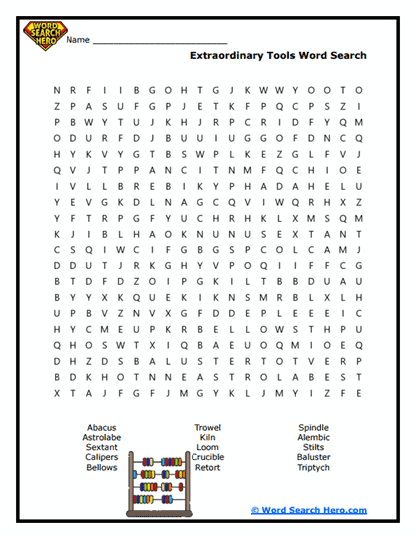
About Our Strange Vocabulary Word Searches
Our Strange Vocabulary word searches are designed to introduce learners to words that are unusual, surprising, and sometimes just plain fun to discover. Instead of focusing on everyday vocabulary, these puzzles explore words that stand out because of how they look, sound, or what they mean.
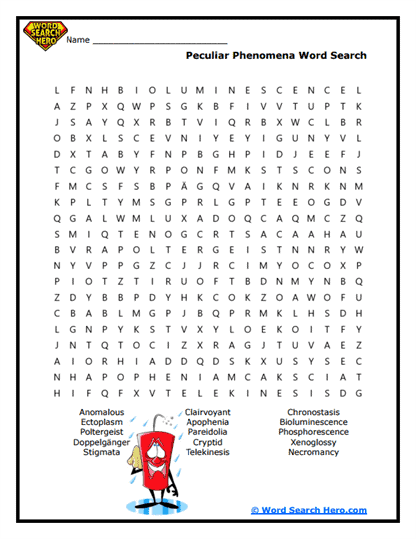
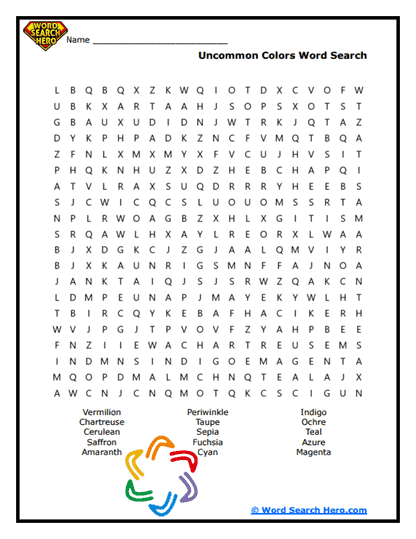
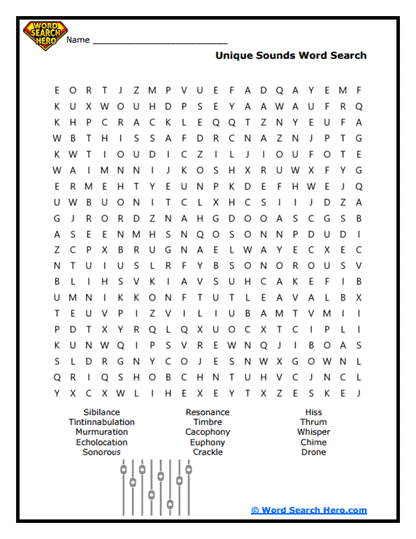
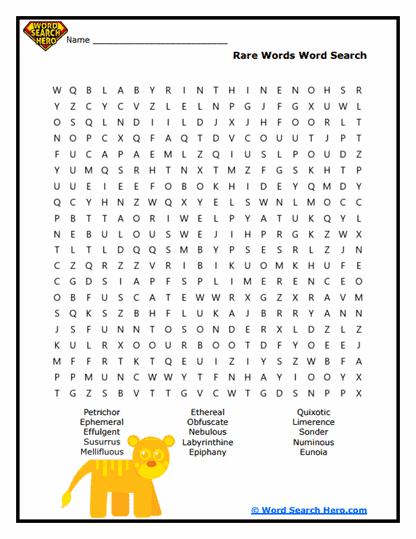
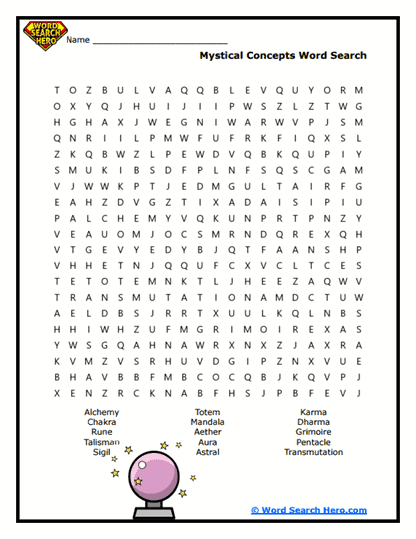
In this collection, students might come across words tied to mysterious ideas, rare animals, unusual jobs, or even strange sounds and colors. Words like “doppelgänger,” “petrichor,” or “cacophony” aren’t part of daily conversation, which makes finding them feel like uncovering hidden treasures.
These puzzles are great for both classrooms and home learning. Teachers often use them as enrichment activities, while parents enjoy how they spark curiosity. They also pair well with topics like advanced vocabulary building or exploring word origins and meanings, since many of these words have interesting backgrounds.
Exploring the Weird and Wonderful Side of Language
The English language is full of words that most people rarely use-but that doesn’t make them any less interesting. In fact, unusual words are often the most memorable because they feel different.
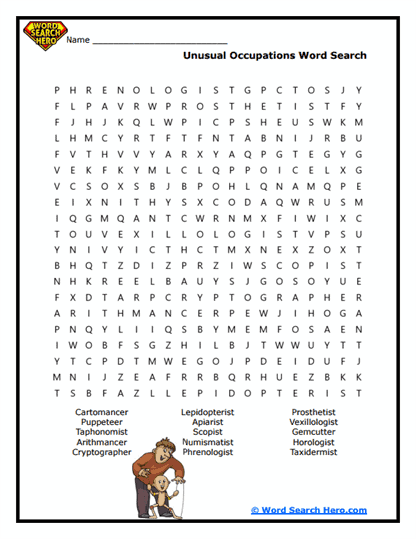
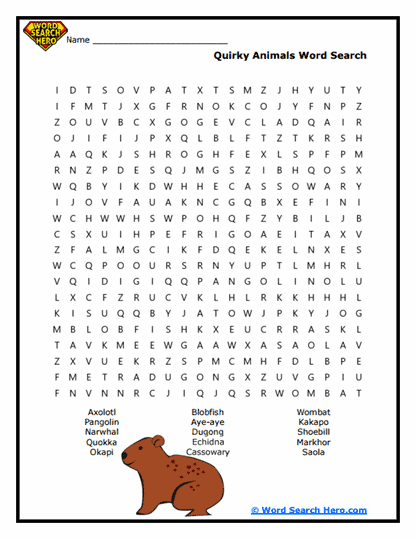
Some strange words come from science or history, like “taphonomist” or “astrolabe.” Others describe things that are hard to explain, like “sonder” or “numinous.” There are also words that simply sound unusual, like “quokka” or “euphony.” Each one offers a new way to think about language.
What makes these puzzles special is that they turn unfamiliar vocabulary into something approachable. Instead of feeling overwhelmed by a long or complex word, students interact with it in a playful way. They scan for it, recognize its shape, and slowly become more comfortable with it.
This kind of exposure helps students build confidence with challenging words. It also supports skills connected to recognizing complex spelling patterns and understanding uncommon vocabulary in context.
Over time, learners begin to see that language isn’t just about common words-it’s full of creativity, history, and surprise.
Paul’s Pro-Tip
 When you come across a strange word, don’t worry about saying it perfectly right away.
Focus on how the word looks instead. Look for unique letter patterns or unusual combinations that stand out in the grid. Once you spot those patterns, the rest of the word is usually easier to find.
Sometimes the strangest words are actually the easiest to recognize once you know what to look for.
Fun Ways to Explore the Meaning Behind Strange Words
After finishing a puzzle, the real fun can begin by exploring what the words actually mean.
Start by choosing one or two unfamiliar words and guessing their meanings. This turns the activity into a small challenge and gets students thinking about how words are formed. After guessing, look up the real definition and compare it to the guess.
Another great idea is to turn it into a mini research activity. Students can pick a word like “narwhal” or “alchemy” and learn a little more about it. This works especially well when connected to topics like science exploration activities or cultural and historical learning themes.
You can also encourage students to use the words in creative ways. Try writing a short sentence or story using one of the unusual words. Even if it feels silly, it helps make the word feel more familiar.
For a more interactive approach, turn it into a discussion. Ask questions like, “Which word sounded the strangest?” or “Which one would you want to learn more about?” This builds curiosity and helps students engage more deeply with language.
These simple activities help turn a word search into a full discovery experience, where students don’t just find new words-they understand and remember them.
Frequently Asked Questions
What makes a vocabulary word “strange”?
A strange word usually has unusual spelling, a rare meaning, or is not commonly used in everyday conversation.
Are these puzzles meant to teach difficult vocabulary?
They introduce uncommon words, but the puzzle format keeps the experience fun and manageable instead of overwhelming.
Can students look up the meanings of the words they find?
Yes. In fact, many teachers and parents encourage this as a follow-up activity to deepen understanding.
Are strange vocabulary puzzles good for advanced learners?
They are especially great for learners who already know many common words and want something new and challenging.
Why include unusual vocabulary in puzzles?
Uncommon words help expand language awareness and show how creative and diverse the English language can be.