


Beagles
Buckle up your sniffers and unleash your inner hound because these Beagle word searches are a tail-wagging romp through a maze of floppy ears, sniff-tastic skills, and canine charm.

Buckle up your sniffers and unleash your inner hound because these Beagle word searches are a tail-wagging romp through a maze of floppy ears, sniff-tastic skills, and canine charm.

Pounce into the paws-itively ridiculous world of Boxer dog word searches where drool, zoomies, and tail-wagging chaos collide in a puzzle-packed paradise.
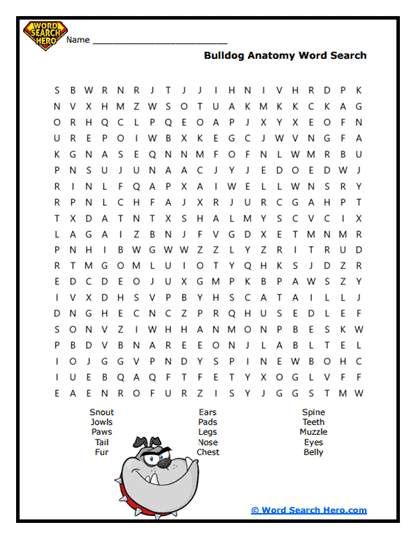
Get ready to unleash your inner puzzle master with this tail-wagging collection of word searches, all dedicated to the world’s most adorably stubborn, snort-happy companions! Whether you’re sniffing out different breeds, uncovering their quirky behaviors, or celebrating their signature wrinkles, these puzzles are packed with fun, facts, and just the right amount of drool.

Tiny dogs with giant personalities have taken over these puzzles and they are not apologizing. From taco-sized sass to ancient Aztec royalty, these Chihuahua word searches are so fun even a cat might crack a smile.


From burrowing through grids like a determined doxie in a flower bed to sniffing out words like “belly rubs” and “badger hunter” you’ll be howling with joy all the way to the answer key.

Sink your teeth into this tail-waggingly fun collection of German Shepherd word searches where every puzzle is paws-itively packed with barks, bites and brainy dog facts.

Dive snout-first into the fluffiest puzzle adventure ever created where every word search is packed with tail wags, tennis balls, and enough Golden Retriever goodness to make your brain bark with joy.

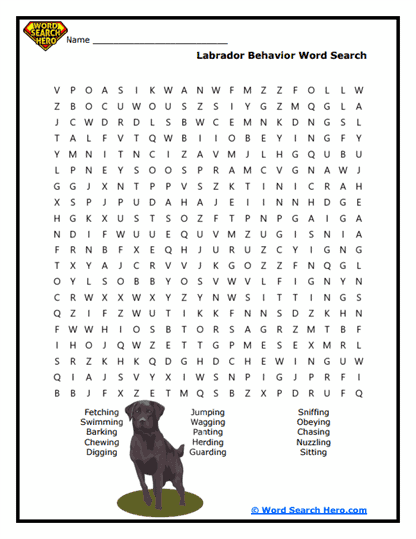
Get ready to unleash some tail-wagging fun with this pawsome collection of word search puzzles dedicated to everyone’s favorite four-legged companions! From digging up words about playful puppy antics to sniffing out terms related to training, colors, and tasty treats, these brain-teasing challenges are the perfect mix of learning and entertainment.


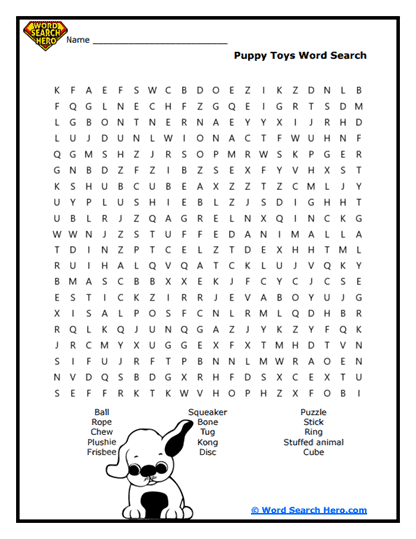
Get ready to unleash some serious fun with this tail-wagging collection of word search puzzles, all dedicated to the adorable chaos of young canines! From playful antics and favorite treats to essential puppy must-haves, each puzzle is a paws-itively entertaining way to test your word-finding skills while celebrating everything we love about these furry bundles of joy.

These puzzles are so fun even a Rottie would wag its brain trying to sniff out words like slobber and snuggle patrol.
Our Dog Word Searches explore the loyal and energetic world of one of the most beloved pets while offering a fun and engaging puzzle activity. These printable puzzles feature vocabulary connected to dogs, puppies, pet care, and everyday canine behaviors. Teachers, parents, and homeschool educators often enjoy using themed puzzles like these because they combine familiar animal topics with valuable vocabulary and reading practice.
As participants search through the puzzle grid for hidden words, they strengthen essential literacy skills such as spelling recognition, visual scanning, and pattern identification. Word searches encourage learners to carefully scan rows, columns, and diagonals while locating each word. Although the activity feels like a relaxing game, it quietly reinforces reading fluency, concentration, and attention to detail.
The dog theme is especially engaging because many learners already have experience with dogs as pets, service animals, or companions. Words related to barking, wagging tails, paws, and puppies introduce participants to common canine traits and behaviors. This connection to everyday life helps keep participants motivated while strengthening vocabulary recognition.
Teachers often include dog-themed puzzles during lessons about animals, mammals, or responsible pet care. Parents and homeschool families also appreciate how easy the puzzles are to print and use during independent learning time or animal-themed activities at home.
By combining pet-related vocabulary with an engaging puzzle format, dog word searches create an educational activity that encourages curiosity about animals while strengthening reading and language skills.
Dogs are domesticated mammals that have lived alongside humans for thousands of years. They are known for their loyalty, intelligence, and ability to work closely with people in many roles, including companionship, herding, guarding, and service work. Today, dogs come in hundreds of breeds with different sizes, appearances, and personalities.
Common dog-related words might include dog, puppy, paws, tail, bark, and leash. As participants search for these words inside the puzzle grid, they practice recognizing spelling patterns and strengthening word recognition skills. Repeated exposure helps reinforce vocabulary while keeping the activity enjoyable.
Dogs communicate with humans and other animals through body language, sounds, and movement. A wagging tail may show excitement, while barking or growling can signal communication or warning. Learning about these behaviors helps students understand how animals express emotions and interact with people.
Teachers sometimes connect dog vocabulary with lessons about mammals, animal behavior, and responsible pet ownership. Students may learn how pets rely on humans for food, shelter, exercise, and care.
By exploring dog vocabulary through puzzles, learners strengthen language skills while discovering more about one of the most loyal and helpful animals in the world.

Dog word searches are great for connecting puzzles with animals that many learners already know and love. I like to challenge students to find a few dog-related words before we talk about how dogs communicate with people.
Once they discover them, the conversation often turns to how dogs wag their tails, bark, and use body language to express emotions. It’s a simple way to spark curiosity about animal behavior while keeping the puzzle fun.
Dog word searches can easily lead to engaging learning activities about pets and animal care. After completing the puzzle, teachers can invite students to choose one dog-related word they discovered and explain what they know about it.
For example, a student who finds the word leash might describe how dogs are walked safely outdoors. Another learner who spots the word puppy might explain how young dogs grow and learn through play and training.
Another engaging extension is a pet care challenge. Students can list or draw the things dogs need to stay healthy and happy, such as food, water, exercise, grooming, and regular vet visits. This activity helps reinforce vocabulary while encouraging responsibility and empathy toward animals.
Families can also connect puzzles with learning at home. After finishing the word search, children might observe how a family dog behaves, read books about dogs, or learn about different dog breeds and their unique traits.
By linking puzzles with discovery and discussion, educators and parents transform a simple word search into a learning experience that celebrates pets, responsibility, and the special bond between dogs and people.
Teachers often use these puzzles as warm-up activities, early finisher tasks, or quiet brain breaks during lessons about animals or mammals. The dog theme reinforces vocabulary related to pets, animal behavior, and responsible pet care while keeping students engaged in learning.
Yes, they work very well in homeschool environments because they combine vocabulary practice with familiar animal topics. Parents can print a puzzle and then follow it with lessons about mammals, pet care, or the role dogs play in human life.
Word searches reinforce vocabulary by repeatedly exposing learners to animal names and descriptive terms in a visual format. As students scan the puzzle grid and recognize spelling patterns, they strengthen word recognition skills that support reading comprehension.
Elementary and middle school students often enjoy these puzzles because dogs are familiar animals that many learners already love. However, older students and adults can also enjoy them as relaxing brain challenges that reinforce vocabulary and observation skills.
Dogs are known as loyal companions because they form strong bonds with their human families and often show affection, protection, and cooperation. Their long history of living and working with humans has helped them become one of the most trusted and beloved animals in the world.
