About Our Events Based Word Searches
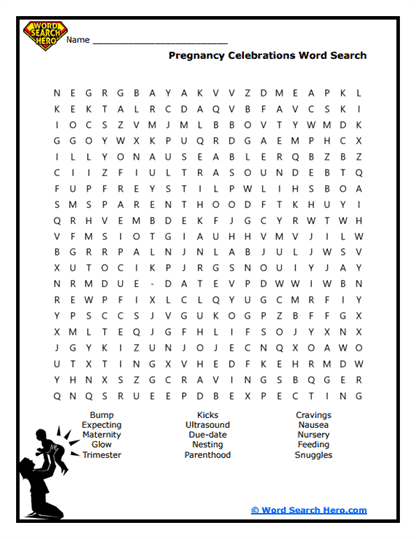
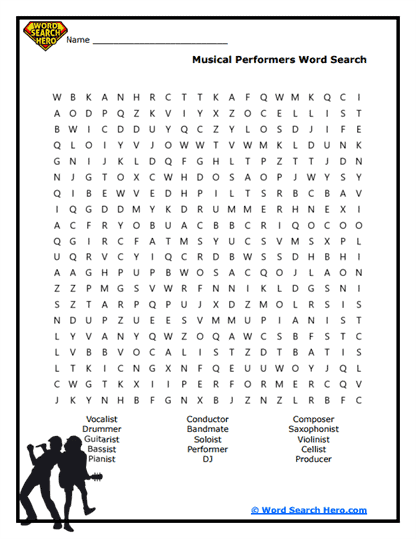
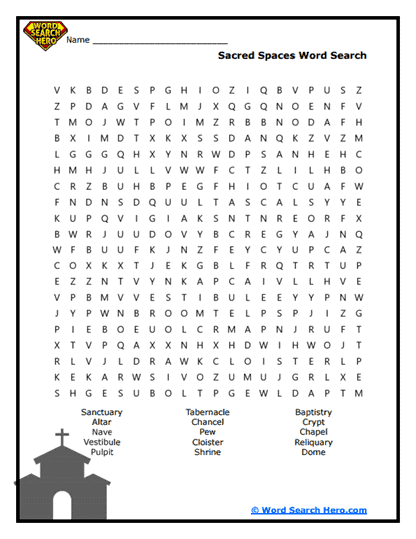
Our Events Based Word Searches bring the excitement of special occasions into a fun and educational puzzle format. These printable word searches highlight vocabulary connected to celebrations, holidays, school events, and memorable gatherings that students often experience throughout the year. Teachers, parents, and homeschool educators enjoy using themed puzzles like these because they combine reading practice with topics that naturally spark interest and conversation.
When students work through an event-themed puzzle, they are strengthening several important literacy skills at once. Searching for words across rows, columns, and diagonals improves pattern recognition, visual scanning, and spelling awareness. These puzzles also help learners build focus and patience as they carefully examine each letter grid to locate hidden vocabulary words related to parties, ceremonies, festivals, and community activities.
Events are a natural part of everyday life, which makes this theme especially engaging for learners. Students often recognize many of the words immediately because they connect to experiences like birthdays, school plays, holiday celebrations, and sports tournaments. This familiarity helps boost confidence while reinforcing word recognition skills.
Printable puzzles are also incredibly flexible for educators. Teachers may use them as morning warm-ups, early finisher activities, or quiet transitions between lessons. At home, families can print a puzzle for rainy-day learning, travel activities, or independent study time. Because the theme centers around real-world events, it can also inspire storytelling and discussion about memorable experiences.
Another advantage of themed puzzles is how easily they fit into seasonal learning. A classroom celebrating a school milestone, holiday, or special assembly can introduce a puzzle that reflects the occasion. This connection between learning and real-life moments helps keep students engaged while reinforcing reading and vocabulary development.
Learning Through Celebrations and Milestones
Special occasions provide powerful learning opportunities because they connect directly to students’ real-world experiences. When puzzles revolve around events and celebrations, learners are more likely to stay engaged since the vocabulary reflects moments they already recognize and enjoy.
For example, a puzzle filled with words connected to school events might include terms like parade, festival, ceremony, or performance. As students search for these words, they are quietly strengthening reading fluency while also reinforcing the meaning of each term. The activity becomes both a vocabulary exercise and a reflection on experiences they may have already had.
Teachers often find that event-based learning themes encourage discussion. After completing a puzzle, students might share stories about their favorite birthday party, school concert, or community celebration. These conversations build speaking and listening skills while reinforcing the vocabulary they encountered in the puzzle.
Another advantage of this theme is its flexibility across the school calendar. Early in the year, puzzles might highlight back-to-school events and classroom traditions. Later in the year, they can focus on ceremonies, graduations, or community festivals. This adaptability makes the puzzles easy to integrate into lesson plans without requiring extra preparation.
Even beyond academics, celebration-themed puzzles help students recognize the importance of shared experiences. Events bring people together, and reflecting on them through puzzles encourages students to think about community, tradition, and the joy of gathering with others.
Paul’s Pro-Tip
Here’s a little trick I like to use with event-themed puzzles. After students finish the word search, ask them to circle the word they think represents the most exciting event on the list.
Then have them explain why they picked it. Suddenly the puzzle turns into a storytelling moment, with students sharing memories of parties, concerts, or school celebrations. It only takes a few minutes, but it adds a fun personal connection to the activity.
If you want to add a twist, challenge students to create their own event word for the next puzzle. They love seeing their ideas show up later!
Connecting Puzzles to Real-World Celebrations
One of the best ways to use event-themed puzzles is by linking them to real activities happening in the classroom or at home. When a puzzle connects directly to something students are about to experience, it becomes more than just a word search-it becomes part of the larger learning moment.
For example, a teacher preparing for a school talent show might introduce a puzzle that includes words related to performances and stage events. Students searching for words like microphone, spotlight, or audience begin thinking about the upcoming event in a creative and relaxed way.
Families can also use this approach at home. Before attending a birthday party, sports game, or community festival, children might complete a themed puzzle that introduces vocabulary related to the event. This builds excitement while reinforcing reading and spelling skills.
Another fun approach is to let students design puzzles based on events they care about. A child who loves sports might create a puzzle around a championship game, while another student might focus on a holiday celebration or school carnival. Creating the puzzles themselves deepens vocabulary learning while encouraging creativity.
Over time, these puzzles become a playful way to highlight the events that make each school year memorable. Students not only strengthen their reading skills, but they also reflect on the moments that bring their communities together.
Frequently Asked Questions
How can teachers use events-based word searches in the classroom?
Teachers often use these puzzles as warm-up activities, early-finisher tasks, or quiet transitions between lessons. Because the theme connects to real-life celebrations and school activities, it also provides a great opportunity to start conversations about upcoming events or memorable experiences.
Are event-themed word searches useful for homeschool learning?
Yes, they work very well in homeschool settings because they combine literacy practice with familiar real-world topics. Parents can easily print a puzzle before a holiday, celebration, or outing to introduce related vocabulary and spark discussion.
Do word searches help students improve reading skills?
Word searches strengthen reading development by reinforcing spelling patterns and word recognition. As students scan the puzzle grid and identify hidden words, they practice visual tracking and letter recognition skills that support reading fluency.
What age groups enjoy event-based word searches the most?
Elementary and middle school students typically enjoy themed puzzles the most because the topics connect directly to their daily experiences. However, older learners and adults can also enjoy them as relaxing brain activities that reinforce vocabulary and concentration.
Can these puzzles encourage storytelling and discussion?
Absolutely. Once students discover words related to celebrations or gatherings, they often enjoy sharing personal experiences connected to those events. This helps build speaking skills while strengthening the meaning behind the vocabulary they found.