


Angels
You’ve got angels showing up in dreams, guarding tombs, blowing trumpets, rescuing prophets, and occasionally getting kicked out of heaven for insubordination-all neatly organized into word grids.
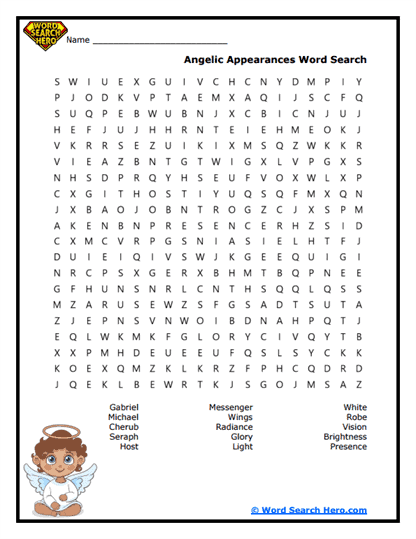
You’ve got angels showing up in dreams, guarding tombs, blowing trumpets, rescuing prophets, and occasionally getting kicked out of heaven for insubordination-all neatly organized into word grids.
Each puzzle reads like a footnote to a moment that actually mattered: a revolt, a miracle, a blueprint, a meal. It’s less “busywork” and more “find-the-word-before-you-have-an-existential-crisis-about-sanctity.”
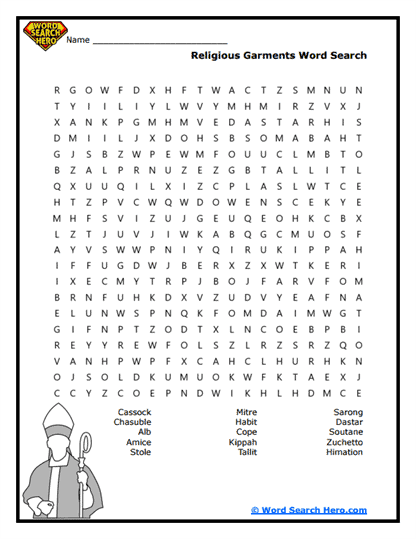
This heavenly stash of religious object word searches turns sacred scrolls and holy hardware into brain-boosting fun faster than you can say “incense and intellect” – it’s like Sunday school, but with way more giggles and grid-hunting glory.
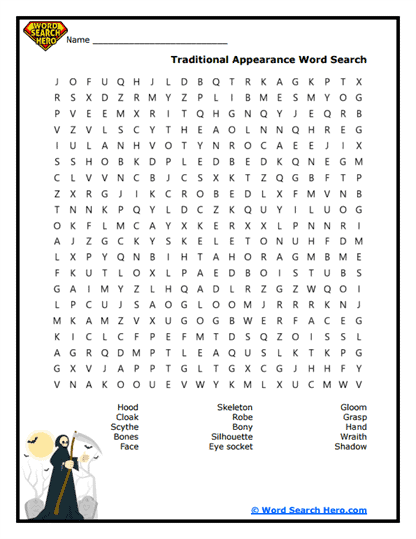
You’ll search for words like Scythe, Judgment, Comic, and Plague, which, when combined, read like the Reaper’s LinkedIn profile written by a medieval poet with access to the internet.
Religious Symbols word searches provide a meaningful and engaging way to explore important symbols while focusing on the person and position connected to them. These printable puzzles introduce learners to key symbols such as the cross, star, dove, lotus, and menorah, along with concepts like faith, belief, identity, and meaning. They also highlight roles like believer, follower, teacher, and leader-helping students understand who uses these symbols and why they matter.
As students search for words, they begin to connect each symbol with the people who recognize and use it. A believer takes on the role of identifying with a symbol, while a teacher may explain its meaning and significance. Leaders may use symbols to guide or unify others, and followers use them to express identity and belief. This helps learners move beyond recognizing symbols and toward understanding their purpose.
These puzzles also support essential academic skills like vocabulary development, spelling, and focus. They can be used in classrooms, religious studies, or homeschool settings as warm-ups, review tools, or discussion starters.
With a range of difficulty levels, Religious Symbols word searches are accessible for many learners. They provide a thoughtful way to explore symbols while focusing on the people and positions that give them meaning.
Religious symbols become much clearer when students focus on the roles connected to them. Word searches centered on this topic often include terms like cross, star, light, and sign, along with roles such as believer, teacher, and leader. Each of these reflects a responsibility tied to how symbols are understood and used.
A believer takes on the position of recognizing and connecting with a symbol as part of their identity. Teachers hold the role of explaining what each symbol represents and why it is important. Leaders may use symbols to unify and guide groups of people. Each role shows how symbols are more than images-they are connected to meaning and responsibility.
Encouraging students to think about these roles helps deepen understanding. They can ask questions like, “Who uses this symbol?” and “What responsibility does a teacher have in explaining it?” This kind of thinking builds stronger comprehension and reflection.
By focusing on roles and positions, students begin to see religious symbols not just as objects, but as meaningful representations connected to people and purpose.

One of the most effective ways to use a Religious Symbols word search is to turn it into a “symbol-to-role connection chart.” As students find each symbol, have them identify who primarily uses it and what position that person holds. For example, is the symbol most connected to a believer expressing identity, or a leader guiding a group? This helps students link every symbol to a real person and purpose, making the learning much more meaningful and easier to retain.
Another powerful strategy is the “meaning through explanation exercise.” After completing the puzzle, ask students to take on the role of a teacher and explain one symbol to someone who has never seen it before. What would they say? What details would they include? This builds deeper understanding because teaching requires clarity and confidence. It also reinforces that symbols gain meaning when someone in the right role explains and shares them.
Religious Symbols word searches can lead to deeper learning when students focus on how each symbol connects to people and responsibility. After completing a puzzle, students can choose one symbol and one role-such as believer or teacher-and describe how they are connected. This helps connect vocabulary to understanding.
For example, a student might explore what it means for a believer to identify with a symbol or what responsibilities come with explaining it as a teacher. Another might examine how symbols bring groups together through shared meaning. These reflections help students understand how symbols function in real contexts.
This approach also supports cross-curricular learning. It can connect with writing by asking students to describe a symbol’s meaning or with reading by exploring how symbols are used in different traditions. Group discussions can deepen understanding by comparing perspectives.
By focusing on people and positions, students gain a clearer picture of religious symbols. It transforms a simple puzzle into a meaningful exploration of identity, meaning, and responsibility.
Religious symbols are used by believers, leaders, and teachers to represent important ideas and beliefs. Each person holds a different role in how the symbol is understood or shared. Understanding who uses the symbol helps students see its purpose. It also makes the learning more meaningful.
They connect symbols with the people who use and explain them. As students find each symbol, they begin to think about its meaning and purpose. This builds a deeper understanding beyond simple recognition. It also reinforces learning through context and reflection.
A teacher takes on the responsibility of explaining what a symbol represents and why it matters. This position helps others understand meaning and context. It also ensures that symbols are not misunderstood. Understanding this role highlights the importance of clear explanation.
You can have students match each symbol with a role and explain how they are connected. Another effective activity is asking them to explain a symbol as if they were teaching someone else. These strategies deepen understanding and encourage engagement. They also help connect the puzzle to real-life meaning.
Students can learn how identity, meaning, and responsibility are connected through symbols. By examining each role, they see how symbols are used and explained. This creates a clearer understanding of the topic. It also encourages thoughtful reflection on how symbols represent beliefs.