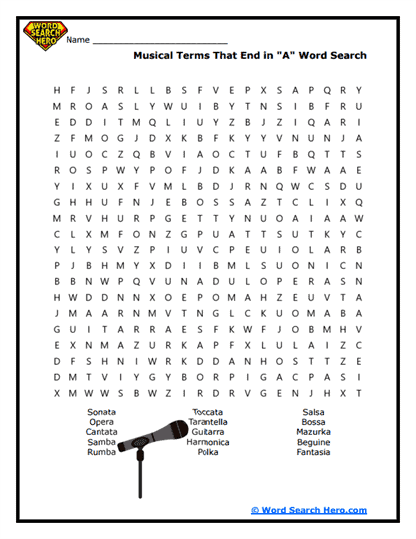
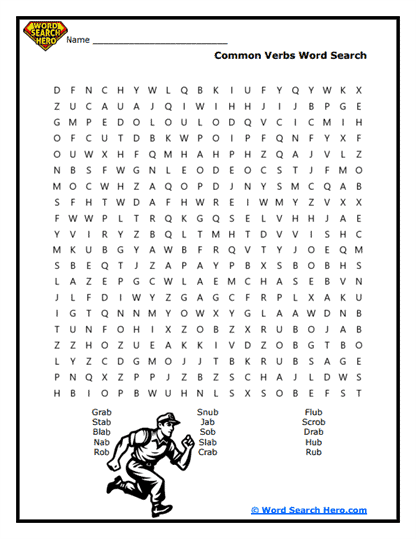
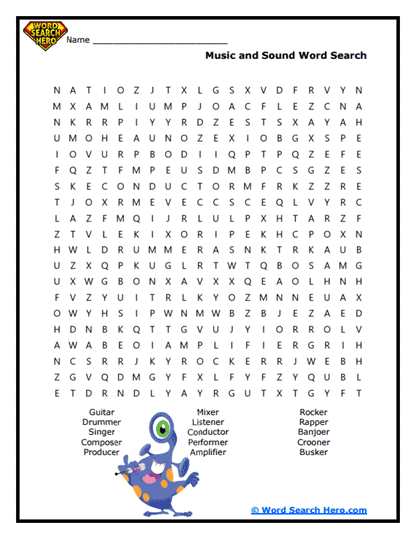
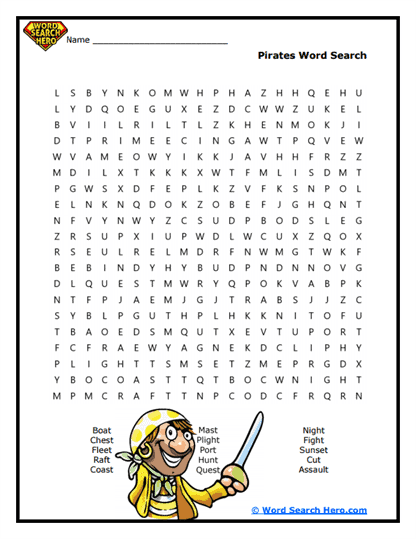
About Our Ends With Word Searches
These Ends-With Letter word searches are built around a simple but powerful idea: every word in each puzzle shares the same final letter. Instead of focusing only on how words begin, this collection shifts attention to how they finish-a detail that plays a surprisingly important role in reading and spelling development.
Across the full alphabet, learners encounter a wide range of vocabulary organized by shared endings. This makes the puzzles especially useful for reinforcing spelling awareness and helping students recognize consistent patterns in language. When paired with broader concepts like phonics or vowels, these activities become more than just puzzles-they become structured opportunities to explore how words are built from start to finish.
Teachers, parents, and homeschoolers can use these printables in flexible ways: as warm-ups, literacy center activities, or independent practice that feels engaging without losing educational value. The format keeps learners focused, while the shared ending adds just enough structure to make each puzzle feel purposeful.
Why Word Endings Quietly Shape Strong Readers
Strong readers don’t just glance at the beginning of a word and guess-they track it all the way through. That final letter, often overlooked, is where accuracy either holds together or falls apart.
These puzzles help train that habit.
By working through words that all share the same ending, learners begin to notice patterns they might normally ignore. This builds a deeper awareness of word structure, especially when combined with related concepts like word families or common spelling rules tied to suffixes.
Over time, this kind of focused attention improves both reading fluency and spelling accuracy. Students become less likely to skip endings and more likely to process the full word. It’s a subtle shift, but one that makes a measurable difference-especially for learners who tend to rush or rely on partial recognition.
Instead of treating every word as brand new, they begin to recognize structure. And that’s where real reading confidence starts to grow.
Paul’s Pro-Tip
Here’s a move that works almost every time:
Before anyone starts the puzzle, tell them there’s a “rule” hidden inside-but don’t explain it.
Now they’re not just searching-they’re curious.
Once they begin finding words, have them mark or highlight the final letter each time. This forces their eyes to travel all the way across the word instead of stopping early (which, let’s be honest, happens a lot).
After a few discoveries, ask:
“What do all these words have in common?”
That moment when someone figures it out? That’s the win.
You can build on it by asking students to come up with their own examples that follow the same pattern. It’s a quick, engaging way to connect puzzle-solving with real language use-and it works beautifully alongside practice with high-frequency words or other familiar vocabulary sets.
Turning a Simple Puzzle Into a Mini Lesson on Word Structure
These puzzles don’t have to end when the last word is found. In fact, that’s where some of the best learning can begin.
Once a puzzle is complete, you can guide learners into a short follow-up that deepens understanding without adding complexity. For example, have them group words by length, identify which ones sound alike, or compare how the same ending behaves across different words.
This is also a great opportunity to introduce or reinforce ideas connected to spelling patterns and even broader topics like root words, depending on the level of the learner.
Another simple extension is to ask students to write one or two sentences using words from the puzzle. This shifts the activity from recognition to application, helping solidify understanding in a natural way.
What starts as a quick printable becomes a flexible teaching tool-one that supports reading, writing, and word awareness all at once.
Frequently Asked Questions
What are Ends With word searches?
They are printable puzzles where all of the hidden words share the same ending letter, giving learners extra practice with spelling patterns and word structure.
How can teachers use these puzzles in class?
They work well for literacy centers, morning work, spelling review, small groups, or quick lessons on word endings and pattern recognition.
Are these puzzles useful for homeschool learning?
Yes. They are easy to print and can support spelling, reading, and language discussions in a simple, low-prep format.
Do these word searches help with vocabulary?
They can. Learners become more familiar with word forms and spelling patterns while also practicing visual word recognition.
What extra skill do these puzzles teach besides word finding?
They help students pay attention to final letters, which supports spelling accuracy, careful reading, and stronger awareness of how words are structured.