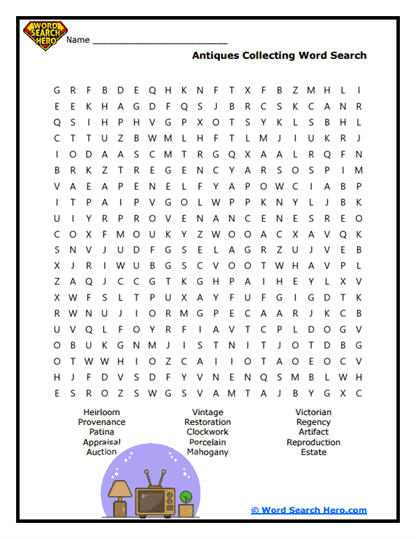
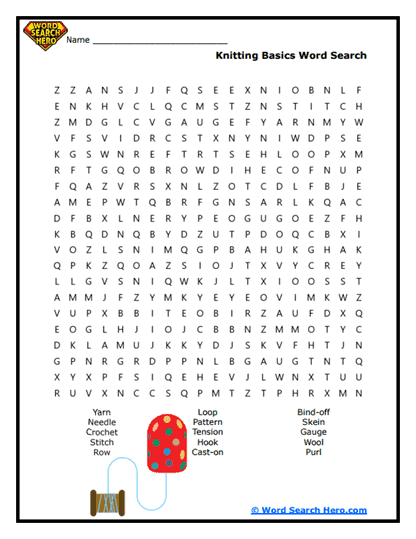
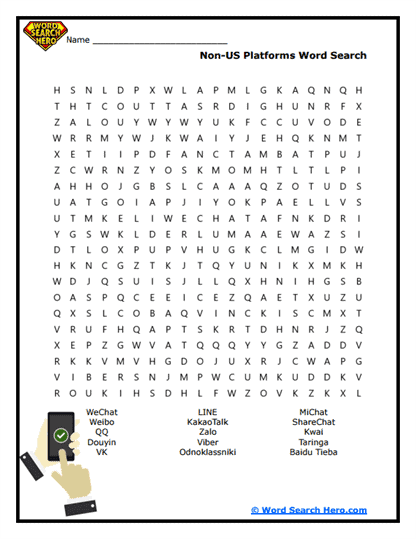
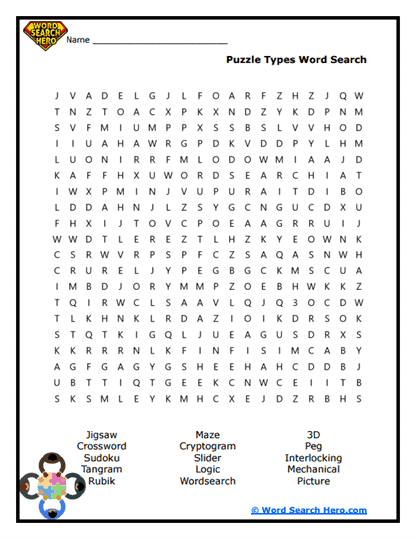
About Our Hobbies Word Searches
Our Hobbies Word Searches celebrate the many activities people enjoy during their free time while offering a fun and educational puzzle experience. These printable puzzles feature vocabulary connected to creative interests, outdoor adventures, crafts, sports, and relaxing pastimes. Teachers, parents, and homeschool educators often use themed puzzles like these because they combine entertainment with valuable reading and vocabulary practice.
As participants scan the puzzle grid to locate hidden words, they strengthen important literacy skills such as spelling recognition, visual tracking, and pattern identification. Word searches encourage careful observation as learners search across rows, columns, and diagonals to find each word. Even though the activity feels like a game, it quietly supports reading development and concentration.
The hobby theme is especially engaging because it connects directly to personal interests. Many students recognize words related to activities they already enjoy, such as painting, gardening, cooking, or playing sports. This familiarity helps boost confidence while reinforcing vocabulary in a natural way.
Teachers often use hobby-themed puzzles as classroom warm-ups, early finisher activities, or quiet brain breaks between lessons. Because the topic is broad and relatable, it can also lead to discussions about how people spend their free time and what activities help them relax or learn new skills.
Parents and homeschool families appreciate how easy these puzzles are to print and use during independent study time or family learning moments. By combining everyday interests with a classic puzzle format, hobby-themed word searches make learning feel both personal and enjoyable.
Discovering Interests Through Everyday Activities
Hobbies play an important role in personal development because they encourage creativity, curiosity, and lifelong learning. Whether someone enjoys drawing, building models, cooking new recipes, or exploring nature, hobbies allow people to develop skills while having fun.
When these activities appear as vocabulary in a word search puzzle, learners begin to notice how many different hobbies exist. Words like painting, knitting, hiking, photography, and crafting introduce a wide range of interests that people explore in their free time. Searching for these words encourages students to become more familiar with the spelling and meaning of each activity.
Teachers sometimes use hobby-themed activities to encourage students to talk about their personal interests. After completing the puzzle, students might share which hobbies they enjoy most or which activities they would like to try in the future. These conversations help build communication skills while strengthening vocabulary understanding.
Another advantage of this theme is its ability to inspire curiosity. A student who discovers a new word in the puzzle may become interested in learning more about that hobby. For example, a word like pottery or archery might spark questions about how those activities work and how people get started.
By exploring hobbies through puzzles, learners begin to see how personal interests can connect to creativity, skill-building, and lifelong enjoyment.
Paul’s Pro-Tip
Hobby-themed word searches are perfect for getting students talking about what they love to do outside of school. After they finish the puzzle, ask them to circle the word that matches their favorite hobby.
Then have a quick “show and tell” moment where students explain why they enjoy that activity. You might hear about drawing superheroes, baking cookies, or building LEGO cities. Suddenly the puzzle turns into a fun way for everyone to learn about each other’s interests.
Turning Hobby Puzzles Into Creative Exploration
Hobby-themed word searches can easily grow into creative classroom or homeschool activities. Once students finish the puzzle, teachers can invite them to choose one of the hobbies they discovered and imagine what it would be like to try it themselves.
For example, a student who finds the word painting might draw a picture of what they would create on a canvas. Another student who spots the word gardening might describe what plants they would grow in a small backyard garden. These activities help connect vocabulary with creativity and personal expression.
Another fun extension is a “try a new hobby” brainstorming challenge. Students select a word from the puzzle that represents a hobby they have never tried before. They can then research or discuss what that activity involves and what tools or skills someone would need to get started.
Families can also use this idea at home. After completing the puzzle, children might talk about hobbies they want to explore during weekends or school breaks. This can inspire creative projects, outdoor adventures, or family activities.
By connecting puzzles with imagination and discussion, hobby-themed word searches encourage learners to explore interests while strengthening vocabulary and reading skills.
Frequently Asked Questions
How can teachers use hobby-themed word searches in the classroom?
Teachers often use these puzzles as warm-up activities, early finisher tasks, or relaxing brain breaks between lessons. Because the theme focuses on personal interests, the puzzles can also lead to discussions about hobbies students enjoy and activities they would like to try.
Are hobby word searches helpful for homeschool learning?
Yes, they work very well in homeschool environments because they combine vocabulary practice with relatable everyday topics. Parents can print a puzzle for independent study time and then discuss different hobbies or encourage children to explore new interests.
Do word searches help students build vocabulary?
Word searches reinforce vocabulary by exposing learners to words repeatedly in a visual format. As students search the puzzle grid and recognize spelling patterns, they strengthen word recognition skills that support reading comprehension.
What age groups enjoy hobby-themed word searches the most?
Elementary and middle school students often enjoy these puzzles because the topic connects to activities they see in everyday life. However, older students and adults can also appreciate them as relaxing brain challenges that strengthen focus and vocabulary.
Can hobby word searches inspire students to try new activities?
Absolutely. When students encounter words related to different hobbies, it can spark curiosity about activities they have never tried before. This curiosity often leads to discussions about creativity, skill-building, and discovering new interests.