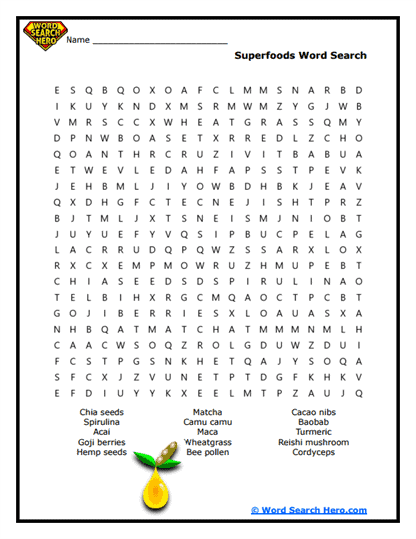
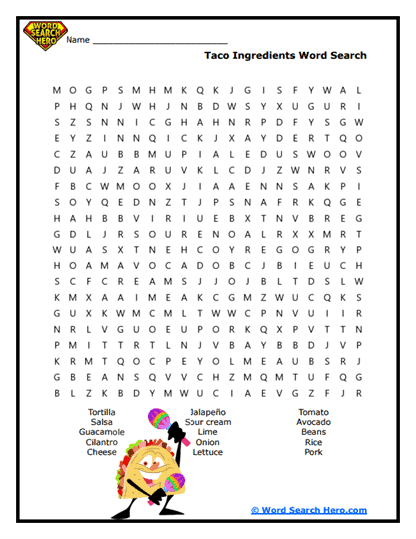
About Our Favorite Meals Word Searches
Everyone has a favorite meal-the one they look forward to, request on special occasions, or remember from family traditions. Our Favorite Meals Word Searches collection taps into that personal connection, turning everyday foods into an engaging and meaningful puzzle experience. From pizza and pasta to tacos, burgers, and home-cooked classics, these puzzles are filled with words that feel familiar, comforting, and fun to खोज.
Because the theme is so relatable, learners of all ages can jump right in. Kids recognize their go-to meals, while older students and adults may connect words to memories, cultural dishes, or family favorites. That sense of familiarity makes the puzzles feel approachable while still supporting important skills like spelling, focus, and word recognition.
These printables work well in classrooms, homeschool settings, and at home. They can be used as warm-ups, early finisher activities, or relaxed brain breaks. The “favorite meals” theme also creates natural opportunities for discussion, writing, and sharing, making it more interactive than many other puzzle topics.
A Taste of Real-Life Learning
Favorite meals word searches go beyond simple vocabulary-they connect directly to real-life experiences. Learners encounter a mix of meal types, ingredients, and cuisines, helping them build a broader understanding of food-related language.
This theme fits easily into multiple subjects. In writing, students can describe their favorite meal or explain why they enjoy it. In social studies, they can explore meals from different cultures. In health lessons, they can talk about balanced meals and ingredients. Even basic categorization-like sorting breakfast, lunch, and dinner foods-can turn the puzzle into a richer activity.
In group settings, these puzzles naturally spark conversation. Students love sharing what they like to eat, comparing favorites, and even debating the “best” meals. That kind of engagement helps build communication skills while keeping the activity light and enjoyable.
Paul’s Pro-Tip

Turn your favorite meals word search into a “menu maker.” After finishing the puzzle, have learners create their dream menu using the words they found. They can organize it into appetizers, main dishes, and desserts-or even design a themed restaurant.
If someone feels stuck, suggest starting with the foods they personally like best. Familiar words are easier to spot and can help build momentum through the rest of the puzzle.
Turning Favorites into Conversations
This theme is especially powerful because it invites personal expression. Everyone has opinions about food, and that makes it easy to get learners talking. After completing the puzzle, you can ask simple but meaningful questions: What’s your favorite meal? When do you usually eat it? Who makes it?
These conversations help build descriptive language and storytelling skills. Kids might begin to explain textures, flavors, or memories connected to certain meals. Words like cheesy, crispy, spicy, or homemade start to come naturally, expanding their vocabulary in a real-world context.
At home, this can turn into a fun family activity. Parents can use the puzzle as a starting point to plan a meal together, try a new recipe, or share traditions from their own childhood. It’s a simple way to connect learning with everyday life.
Frequently Asked Questions
What kinds of foods appear in favorite meals word search puzzles?
Favorite meals word searches usually include a wide variety of popular dishes rather than just single ingredients. You’ll often see foods like pizza, spaghetti, tacos, burgers, sandwiches, fried chicken, and casseroles. Some puzzles may also include sides (fries, salad) or comfort foods that are commonly considered “favorites,” making the word list feel relatable and diverse.
How are favorite meals word searches different from general food puzzles?
Unlike general food word searches that mix ingredients, snacks, and random foods, favorite meals puzzles focus specifically on complete dishes people commonly eat and enjoy. This makes the vocabulary more meaningful and experience-based, since learners can connect each word to a real meal rather than just an ingredient.
Why do favorite meals word searches keep kids more engaged?
Because the topic is personal. Kids already have strong opinions about what they like to eat, so they feel more invested in the puzzle. Recognizing favorite foods gives them quick wins, which builds confidence and keeps them motivated to finish.
Can favorite meals word searches be used for writing activities?
Yes, they are perfect for it. After completing the puzzle, students can write about their favorite meal, describe how it tastes, explain how it’s made, or share a memory connected to it. The word list acts as a built-in brainstorming tool.
Are these puzzles useful for teaching about different cultures?
Absolutely. Many favorite meals come from different cultural backgrounds, such as tacos, sushi, pasta, or curry. These puzzles can lead into discussions about where foods come from, how they are prepared, and how meals vary around the world.
What age group are favorite meals word searches best for?
They work well for all ages. Younger learners enjoy recognizing common meals, while older students can engage more deeply by discussing ingredients, preparation, or cultural connections. The theme’s flexibility makes it easy to adapt.
Can I use favorite meals word searches for group activities?
Yes, they are great for group settings. You can turn them into discussions, have students compare answers, or even create class polls about favorite foods. This adds a social element that makes the activity more dynamic.
How can I extend a favorite meals word search activity?
After completing the puzzle, learners can create a menu, design a restaurant, write a recipe, or plan a meal. These extensions build creativity and help connect the puzzle to real-life skills and experiences.