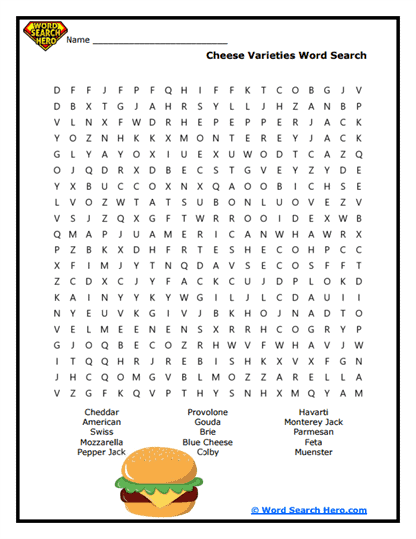
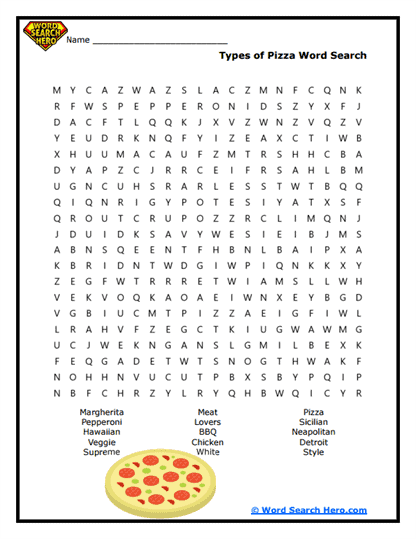
About Our Junk Food Word Searches
Junk food is fun, familiar, and instantly recognizable-which makes it a highly engaging theme for word search puzzles. Our Junk Food Word Searches collection is packed with popular treats like chips, candy, soda, pizza, burgers, and ice cream. These are the kinds of foods kids and adults already know (and often love), so the vocabulary feels exciting and easy to connect with.
Because of that familiarity, learners tend to jump right in with enthusiasm. Recognizing favorite snacks gives them quick wins, which builds confidence and keeps them motivated to complete the puzzle. At the same time, they are practicing important skills like spelling, scanning, and attention to detail without it feeling like traditional schoolwork.
These printables work well in classrooms, homeschool settings, and at home. They are great for brain breaks, reward activities, or themed learning days. While the topic is playful, it can also open the door to thoughtful conversations about food choices and balance.
A Fun (and Thoughtful) Learning Experience
Junk food word searches may seem purely for fun, but they still provide valuable learning opportunities. As learners search for words, they strengthen visual tracking, pattern recognition, and spelling skills. The high-interest topic helps keep engagement levels strong, especially for students who may be less motivated by more traditional themes.
This theme also creates a natural opportunity to talk about balance and moderation. Teachers and parents can use the puzzle as a starting point to discuss the difference between “everyday foods” and “sometimes treats.” That makes the activity both enjoyable and meaningful without feeling overly serious.
In group settings, these puzzles can spark lively conversations. Learners often enjoy sharing their favorite snacks, comparing choices, or even debating which junk food is the “best.” These interactions help build communication skills while keeping the activity light and fun.
Paul’s Pro-Tip

Turn your junk food word search into a “snack sorter challenge.” After finishing the puzzle, have learners divide the words into categories like “sometimes treats” and “everyday foods.” It’s a simple way to add a thoughtful twist.
If someone gets stuck, suggest starting with bold, easy-to-spot words like “pizza,” “candy,” or “chips.” These familiar favorites are often the quickest to find and help build momentum.
Turning Treats into Teaching Moments
Junk food-themed puzzles are great conversation starters because everyone has opinions about snacks. After completing the puzzle, you can ask questions like: What’s your favorite treat? How often do you eat it? What could you pair it with to make a more balanced meal?
These discussions help learners think more deeply about their choices while practicing descriptive language. Words like crunchy, salty, sweet, and cheesy often come up naturally, expanding vocabulary in a fun way.
At home, this theme can also lead to practical learning moments. Families might talk about grocery choices, portion sizes, or how to balance treats with healthier foods. The key is that the conversation starts from something enjoyable rather than restrictive.
Frequently Asked Questions
What kinds of foods are included in junk food word search puzzles?
Junk food word searches typically include popular snacks and treats like chips, candy, chocolate, soda, fries, burgers, pizza, donuts, and ice cream. Some puzzles may also include brand-style foods or categories like “snacks” and “desserts,” making the vocabulary feel fun and relatable.
Are junk food word searches appropriate for kids?
Yes, they are very engaging for kids because the topic is familiar and exciting. However, they are often best used alongside conversations about balance and healthy choices so learners understand that these foods are treats rather than everyday staples.
Do junk food word searches have educational value?
Absolutely. They build core skills like spelling, word recognition, visual scanning, and focus. They also provide a natural opportunity to discuss nutrition, moderation, and food choices in a relaxed, non-lecture way.
How are junk food word searches different from general food puzzles?
Junk food word searches focus specifically on snack foods and treats, rather than a mix of all food types. This creates a more targeted and high-interest vocabulary set that often feels more exciting to learners.
Can junk food word searches be used in classroom settings?
Yes, they work well as brain breaks, reward activities, or part of nutrition discussions. Teachers often use them to engage students while still reinforcing literacy skills.
Why do kids enjoy junk food-themed word searches so much?
Kids enjoy them because the foods are familiar, fun, and often associated with treats or special occasions. This makes the puzzle feel more like a game and less like a traditional assignment.
Can junk food word searches be used to teach about healthy habits?
Yes, they can be a great starting point. After completing the puzzle, learners can sort foods into “sometimes” and “everyday” categories or discuss how to balance treats with healthier options.
How can I extend a junk food word search activity?
After finishing the puzzle, learners can create a snack menu, compare favorite treats, or design a “balanced plate” that includes both fun foods and nutritious options. These extensions help turn a simple activity into a more thoughtful learning experience.