


April Fool's Day
April Fools Day is the one magical time of year when lying is encouraged, trust is shattered for sport, and even your sandwich might turn out to be made of sponge cake.

April Fools Day is the one magical time of year when lying is encouraged, trust is shattered for sport, and even your sandwich might turn out to be made of sponge cake.

Birthdays are that magical annual reminder that you survived another 365 days of chaos, cake, and questionable party hats.

Black Friday is that magical time of year when people joyfully elbow each other for half-price TVs and cartfuls of things they did not know they needed two hours ago.
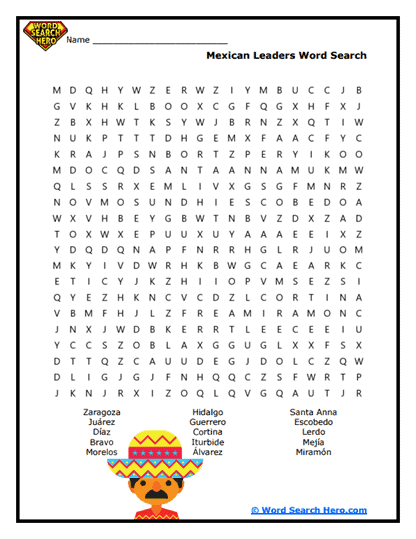
Get ready to fiesta with your brain-this laugh-out-loud lineup of Cinco de Mayo word searches covers everything from spicy cultural symbols to dramatic military lingo, famous French and Mexican historical figures, and political buzzwords that would make even a taco do a double-take.

Father Day is the one glorious Sunday a year when dad finally gets recognition for mastering the grill, fixing squeaky doors with duct tape, and telling jokes so bad they loop back around to genius.

Friendship Day is that glorious time of year when you pretend your best friend hasn’t been stealing your fries since 2009 and you reward them with a printable word search instead of therapy.

Get ready to chuckle, learn, and search your way through Groundhog Day like never before with this wildly entertaining collection of word searches featuring famous furry forecasters, shadowy superstitions, and weather words that would make a meteorologist weep with joy.


Mother’s Day is that glorious time when we thank the woman who raised us by handing her flowers and hoping she ignores the fact we still cannot cook rice properly.

New Years is that magical time when humans collectively decide to fix their lives using hope, overpriced planners, and green smoothies that taste like lawn clippings.

Dive headfirst into a shamrock-stuffed wonderland of Saint Patrick’s Day word searches that are so fun, even a grumpy leprechaun would crack a smile and grab a pencil.

Ready to get struck by Cupid’s pencil? This riotously romantic collection of Valentine’s Day word searches turns love, legends, chocolate, and all things pink into hilarious brain-boosting fun.
Social celebrations are the events that bring people together throughout the year-things like birthdays, parties, gatherings, and community events. Our Social Celebration Word Searches collection focuses on these everyday celebrations, helping learners connect vocabulary with social interaction, shared experiences, and meaningful moments.
Unlike fixed holidays tied to specific dates, social celebrations happen year-round. They can take place in any month-January through December-and often mark personal milestones, group achievements, or simply opportunities to gather and have fun.
Word searches introduce terms like “celebration,” “party,” “friends,” “family,” “gathering,” and “fun,” helping students recognize the importance of social connection. Teachers and parents can use these puzzles anytime during the year to tie into classroom parties, birthdays, or group activities.
Because social celebrations are flexible and not tied to one specific day, these puzzles can be used whenever a moment of celebration happens.
Social celebrations are all about connection, joy, and shared experiences. Word searches built around these events help students think about how and why people celebrate together.
Puzzles might include words like “birthday,” “party,” “cake,” “music,” and “games,” which reflect common elements of celebrations. These words can lead to conversations about favorite events and traditions.
You might also include terms like “invite,” “decorate,” “celebrate,” “laugh,” and “together,” which highlight the social aspect of these gatherings. These words help students understand that social celebrations are about relationships and shared moments.
By connecting vocabulary to real-life experiences, Social Celebration word searches help learners see how celebrations happen all year long, not just on holidays.

This one works best when you keep it personal and easy to relate to. Start by asking, “What’s your favorite kind of celebration-birthday, party, or something else?” and give a few students time to share. You’ll get a mix of answers, and that’s exactly what you want.
As they work through the puzzle, point out words like “party,” “friends,” or “celebrate,” and connect them back to what they just talked about. Keep the tone casual-this isn’t about right or wrong answers, it’s about recognizing shared experiences.
You can also have students choose one word from the puzzle and describe a real-life moment connected to it. For example, if they pick “cake,” they might talk about a birthday celebration.
If you want to extend it, ask: “What makes a celebration fun or special?” This helps them think beyond just the event and into the experience.
Wrap it up by reinforcing that social celebrations can happen any time of year-there’s always a reason to celebrate with others.
Social Celebration Word Searches help turn everyday events into meaningful learning experiences. Instead of focusing only on big holidays, students begin to see that celebrations can happen anytime.
As students find words like “together” and “friends,” they begin to understand the importance of connection and shared experiences. This helps build social awareness and appreciation.
Because social celebrations happen throughout the year, these puzzles are perfect for classroom parties, group activities, or even just fun breaks during the day.
Using Social Celebration-themed word searches creates a fun, engaging way to highlight the importance of connection, joy, and community all year long.
Social celebrations are events like birthdays, parties, and gatherings that can happen at any time of year, rather than on fixed calendar dates. They are often more personal and focused on relationships and shared experiences.
You can use word searches during class parties, birthdays, or group events to keep students engaged while reinforcing social vocabulary. This makes the activity feel connected to the celebration happening in real time.
High-value words include celebration, party, birthday, friends, family, gathering, cake, music, games, and decorate. These terms reflect common elements of social events.
Encourage students to reflect on what makes celebrations special, such as spending time with others or creating memories. This helps them see the value beyond just the event itself.
Activities tied to celebrations, like word searches and group discussions, help students connect and share experiences. This builds a stronger sense of belonging and community throughout the year.