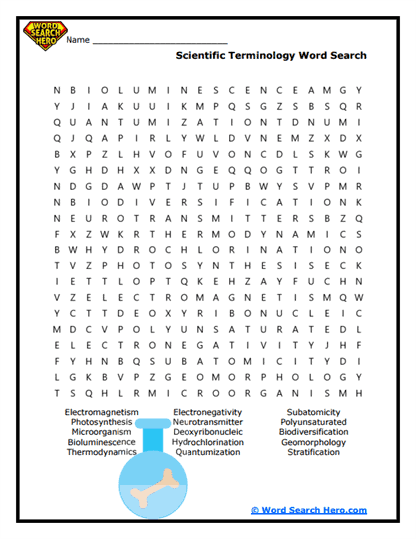
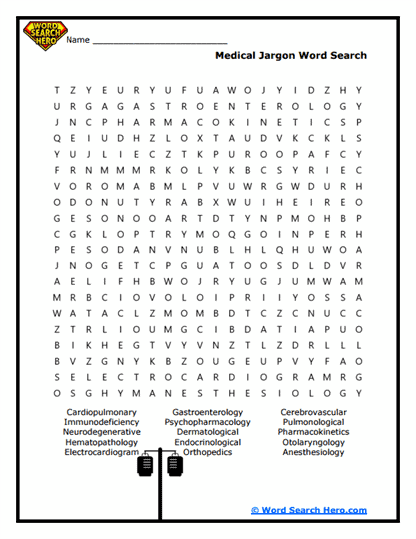
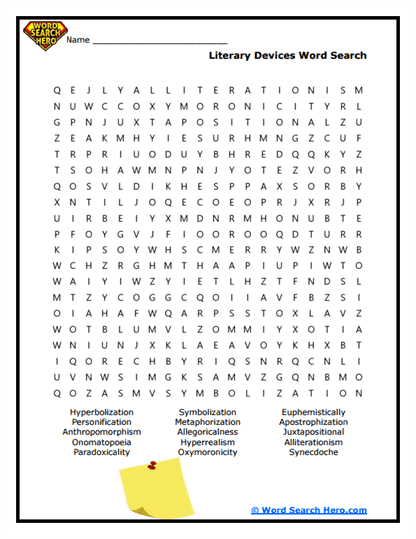
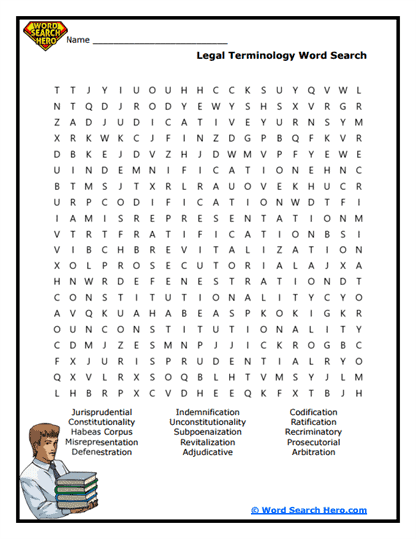
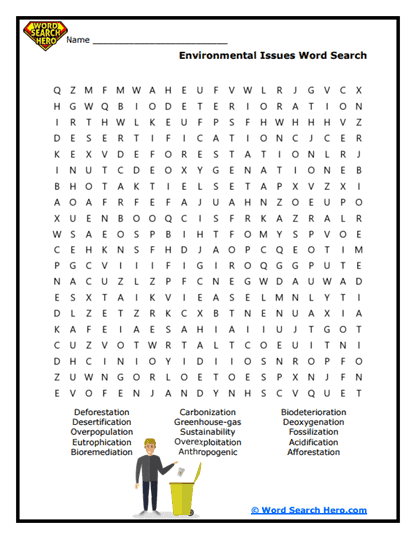
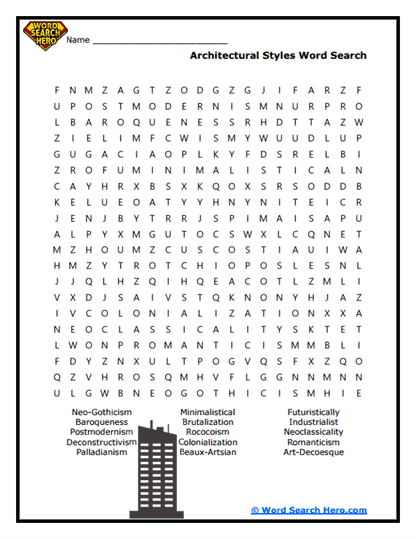
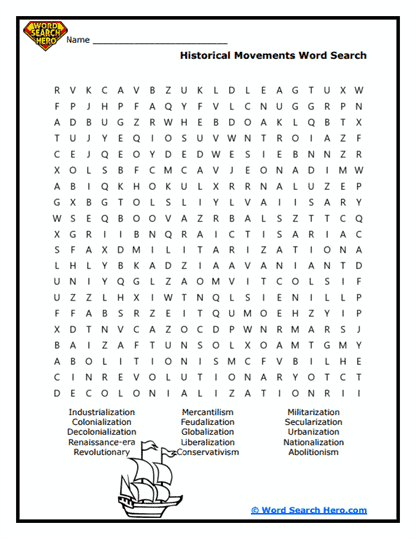
About Our Long Vocabulary Word Searches
Our Long Vocabulary word search collection is designed for learners who are ready to stretch their skills with bigger, more complex words. Instead of quick finds, these puzzles require careful scanning, patience, and attention to detail-making them a powerful tool for building stronger reading habits.
Because the words are longer and often tied to academic subjects, students naturally practice skills connected to reading comprehension, spelling, and advanced vocabulary. These puzzles work especially well for upper elementary and middle school learners who are transitioning into more complex texts.
The subject variety-science, philosophy, medicine, history, and more-also means students are reinforcing language they’ll actually encounter in real academic settings. That makes these puzzles a natural complement to areas like science, history, and language arts.
Big Words, Big Thinking
Long words can look intimidating at first-but once students understand how they’re built, they become much more manageable.
Most longer vocabulary is made up of smaller, meaningful parts:
- prefixes (like re- or inter-)
- roots (like bio or struct)
- suffixes (like -ation or -ment)
Recognizing these patterns is key to understanding word structure and helps students break down unfamiliar terms instead of avoiding them.
Word searches reinforce this in a subtle but effective way. As students scan for long words, they repeatedly encounter the same letter combinations and endings. Over time, this builds familiarity and makes those patterns easier to recognize in real reading.
A quick extension idea:
Have students pick one long word and break it into parts. Can they identify a prefix or suffix? What might it mean?
This simple step connects the puzzle directly to vocabulary development and deeper understanding.
Paul’s Pro-Tip
When searching for long words, don’t try to find the whole thing at once.
Start small.
Look for the first 3-4 letters, then follow the path:
Long words usually stretch in straight lines. Once you find the beginning, the rest often “reveals itself” as you trace it.
I tell students it’s like tracking footprints-find the first step, and the rest will follow.
Why Long Words Make Great Brain Challenges
Long vocabulary puzzles do more than build word knowledge-they strengthen how students think.
When working through these puzzles, students are practicing:
- visual scanning
- pattern recognition
- sustained focus
- problem-solving
These are the same skills used in critical thinking and problem-solving activities, which makes the learning transferable beyond just vocabulary.
There’s also a confidence benefit.
Long words often intimidate students in reading. But when they successfully find and recognize those same words in a puzzle, something shifts-they start to feel more capable. That confidence carries into reading assignments and classroom discussions.
And because the words often connect to subjects like science vocabulary, historical topics, or advanced writing, students are getting exposure that pays off later.
Frequently Asked Questions
Are long vocabulary puzzles too difficult for most students?
They can be challenging, but in a productive way. With the right strategies, students quickly learn how to approach longer words and build confidence as they improve.
What skill improves the most with these puzzles?
Spelling and full-word recognition. Students must track every letter carefully, which strengthens accuracy and attention to detail.
How do these puzzles help with academic learning?
They expose students to the kinds of words they’ll see in textbooks and subject-specific reading, making those words feel more familiar over time.
What if students get frustrated with longer words?
Encourage them to break words into smaller parts or focus on the beginning of the word first. Once they find a starting point, the rest becomes easier to follow.
What’s a simple way to extend the activity?
Have students choose one word, define it, and use it in a sentence. This turns recognition into real understanding and reinforces long-term learning.