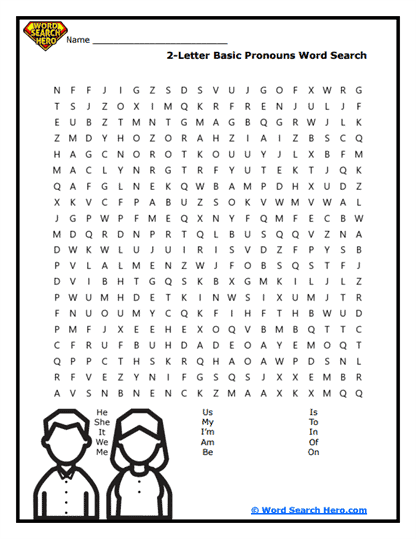
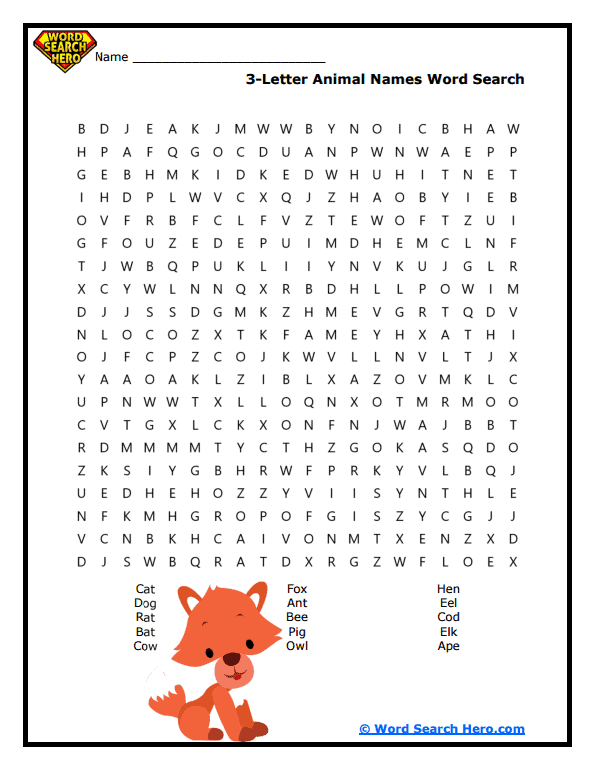
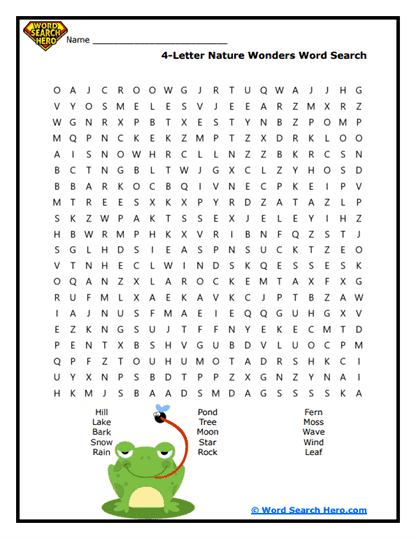
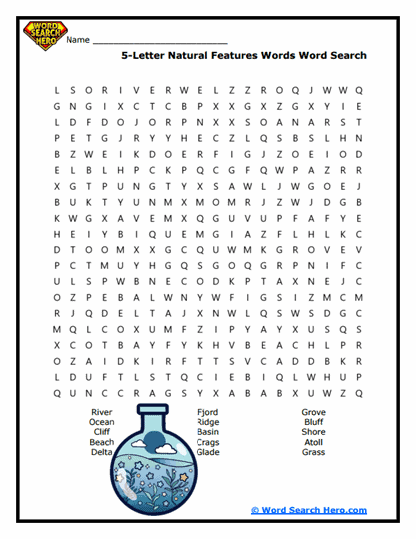
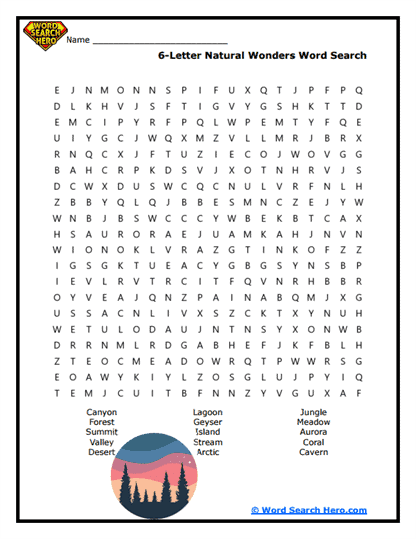
About Our Number of Letters Word Searches
Our Number of Letters word search collection takes a simple idea-word length-and turns it into a powerful learning tool. Instead of grouping puzzles only by theme, these are organized by how many letters each word contains, giving students a clear and structured way to build skills step by step.
This format makes it easy to match the right challenge to the right learner. Shorter word sets support early readers working on phonics and basic recognition, while longer word sets push more advanced learners to focus on spelling patterns and reading accuracy.
Because the structure stays consistent while the difficulty changes, students gain confidence quickly. They know how the puzzle works-the only thing that changes is how much thinking it requires.
It’s simple, flexible, and surprisingly effective.
Why Word Length Changes How Students Think About Words
Word length doesn’t just change difficulty-it changes how students process language.
With short words, students rely on quick recognition:
This connects directly to early skills like phonemic awareness and foundational reading.
As words get longer, something shifts.
Students can’t rely on instant recognition anymore. Instead, they begin to:
- break words into chunks
- look for familiar parts inside longer words
- track letter sequences more carefully
That’s where deeper skills like word structure and decoding strategies start to develop.
In longer puzzles, students also encounter vocabulary tied to subjects like science vocabulary, history, and advanced reading. This exposure helps bridge the gap between basic literacy and academic language.
Over time, learners begin to understand an important truth:
long words aren’t harder-they’re just built differently.
Paul’s Pro-Tip

Turn the word list into a strategy tool before the puzzle even begins.
Ask students:
This simple step gets them analyzing spelling patterns before they start searching.
Then have them circle repeated endings or familiar chunks. Once they notice patterns, they’ll find words much faster-and build stronger spelling awareness without even realizing it.
Simple Ways to Use Word Length to Differentiate Learning
One of the biggest advantages of this collection is how easy it is to adjust for different learners.
For younger or developing readers:
- use 2-4 letter puzzles
- focus on quick recognition and confidence
- reinforce early reading skills and simple patterns
For developing learners:
- move into 5-7 letter puzzles
- encourage chunking and pattern spotting
- connect to vocabulary development and spelling practice
For advanced students:
- use 8+ letter puzzles
- focus on breaking down complex words
- tie into subjects like science, literature, and critical thinking
The key is that everyone can use the same type of activity, just at different levels.
You can even run this in the same classroom:
- one group works on shorter words
- another tackles longer challenges
No new instructions. No extra prep. Just smarter differentiation.
Frequently Asked Questions
Are word-length puzzles better than themed puzzles?
They serve a different purpose. Themed puzzles build knowledge around a topic, while word-length puzzles build skills-especially spelling, recognition, and decoding.
What length should I start with?
Start where the student feels successful. For beginners, that’s usually 2-4 letters. For more confident readers, 5-7 letters is a good transition point.
Do longer words automatically mean better learning?
Not necessarily. The goal is the right level of challenge. Too easy doesn’t build skills, but too hard can cause frustration. Word-length puzzles help you find the balance.
Can this really help struggling readers?
Yes. Shorter puzzles build confidence and reinforce foundational skills, while gradually increasing length helps students grow without feeling overwhelmed.
How do I extend the activity without adding extra work?
Ask students to compare words:
- Which was easiest?
- Which was hardest?
- Why?
That reflection builds awareness of how words work-and that’s where real progress happens.