


Romantic Comedy
Fall head over heels (and maybe into a crossword-induced giggle fit) with this swoon-worthy collection of word searches, where love, laughter, and awkward first dates are always just one word away.
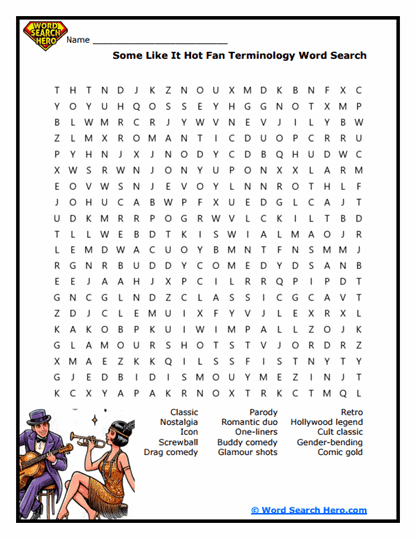
Fall head over heels (and maybe into a crossword-induced giggle fit) with this swoon-worthy collection of word searches, where love, laughter, and awkward first dates are always just one word away.
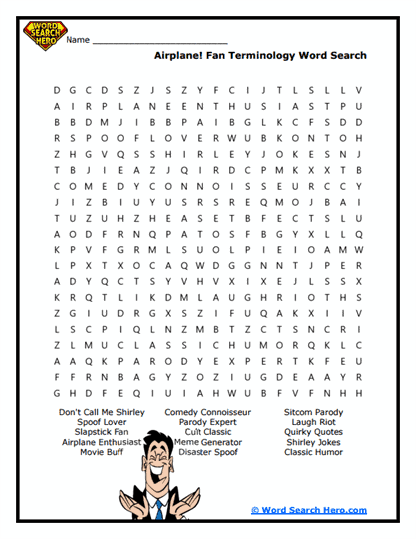
It’s like a laugh-out-loud scavenger hunt where the only thing funnier than the words you’re finding is remembering how ridiculously someone fell down while saying them.
Comedy movies are all about laughter, fun, and unforgettable moments-making them a perfect theme for lighthearted word search puzzles. Our Comedy Movie Word Searches collection is filled with playful vocabulary like funny, joke, laugh, prank, and silly. These puzzles capture the spirit of humor while keeping learners engaged and entertained.
Because comedy is such a universal genre, this theme works for all ages. Younger learners can quickly recognize simple, cheerful words, while older students can explore more detailed terms like parody, satire, or improv. The upbeat tone makes these puzzles feel relaxed and enjoyable from start to finish.
These printables are perfect for classrooms, homeschool settings, and at-home fun. They work well as brain breaks, reward activities, or creative writing starters. The comedy theme adds energy and helps create a positive learning environment.
Comedy movie word searches help learners build essential literacy skills in a fun and low-pressure way. As they search for words, they practice spelling, visual scanning, and attention to detail. The humorous theme keeps learners motivated and reduces frustration.
This topic also connects naturally to storytelling and creativity. Learners can explore what makes something funny-like timing, characters, or unexpected situations. In writing activities, they can create their own comedy scenes, jokes, or short scripts.
In group settings, comedy puzzles often spark laughter and conversation. Learners might share their favorite funny movies, characters, or moments. These discussions help build communication skills while keeping the activity interactive.

Turn your comedy movie word search into a “create-your-own comedy scene.” After completing the puzzle, have learners use words they found to build a short, funny story or skit.
If someone gets stuck, suggest starting with easy-to-spot words like “funny,” “laugh,” or “joke.” These quick wins help build confidence and momentum.
Comedy-themed puzzles naturally get people talking because everyone enjoys humor. After finishing the puzzle, you can ask questions like: What makes you laugh? What’s your favorite funny movie? Do you like silly humor or clever jokes?
These conversations help learners practice descriptive language using words like hilarious, goofy, clever, or ridiculous. They also encourage creativity and self-expression, which strengthens communication skills.
At home, these puzzles can easily connect to fun activities. Families might watch a comedy movie, tell jokes, or create their own skits together. These extensions make learning more interactive and memorable.
Comedy movie word searches usually include humor-related terms like funny, joke, laugh, prank, silly, and giggle, along with movie-related words like actor, scene, and script. Some puzzles may also include types of comedy like parody or slapstick.
Yes, they are very kid-friendly. The theme is light, fun, and easy to understand, making it accessible for younger learners while still enjoyable for older students.
They help build spelling, vocabulary recognition, visual scanning, and focus. They also encourage creativity and an understanding of humor and storytelling.
Comedy movie word searches focus specifically on humor and lighthearted storytelling, creating a more playful and relaxed experience compared to broader movie themes.
Absolutely. They are great for creative writing, drama activities, or as engaging brain breaks that still reinforce literacy skills.
Kids enjoy them because the theme is fun and مرتبط with laughter. Words connected to humor make the puzzle feel like a game rather than a task.
Yes. After completing the puzzle, learners can write jokes, create a funny story, or act out a short skit. These extensions add creativity and deepen engagement.
They introduce expressive and descriptive words related to humor and storytelling. Because the words are tied to fun and laughter, learners are more likely to remember and use them.