Choose a topic !

Grade 6 Word Searches

Scientific Sleuth Word Search

Scientific Sleuth

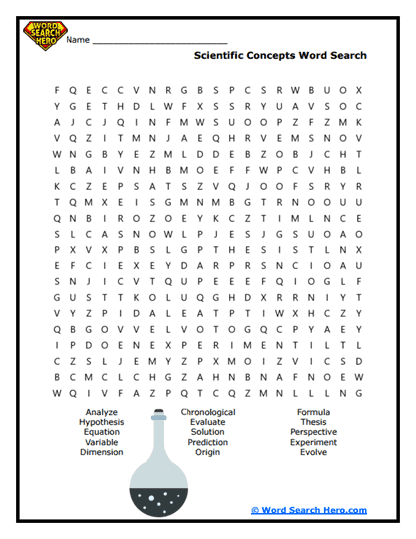
This word search focuses on fundamental scientific concepts, helping students engage with key terms in scientific inquiry. Words like “hypothesis,” “experiment,” and “formula” emphasize essential elements of the scientific method. Other terms such as “dimension,” “solution,” and “origin” encourage a deeper understanding of how scientists analyze and explain phenomena. By finding these words, students reinforce […]

View More
Sentiment Seeker Word Search

Sentiment Seeker

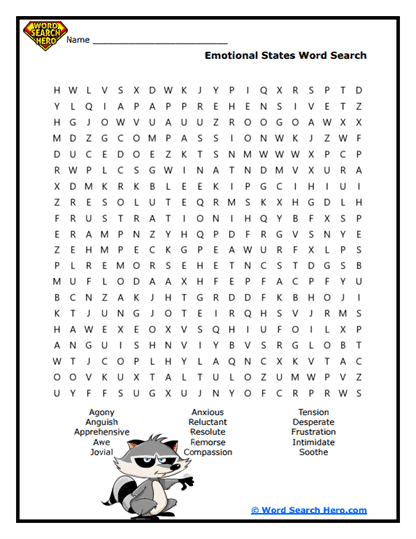
This word search highlights various emotional states, helping students become more aware of different feelings and how to express them. Words like “anguish,” “joyful,” and “frustration” cover a wide range of positive and negative emotions. Understanding terms such as “compassion,” “apprehensive,” and “remorse” helps students build emotional intelligence. By identifying these words, students become more […]

View More
Nature Navigator Word Search

Nature Navigator

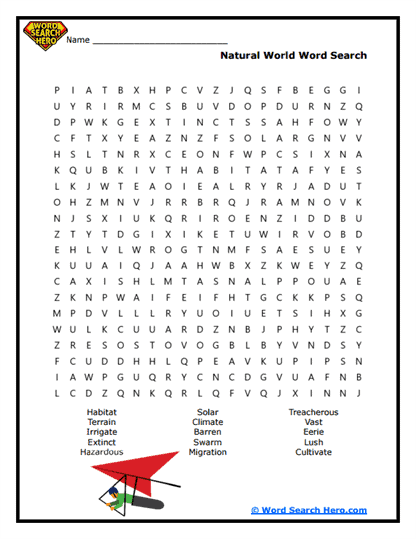
This word search introduces students to essential vocabulary related to the natural world and ecosystems. Words like “habitat,” “migration,” and “climate” encourage an understanding of environmental science and geography. Other terms, such as “lush,” “swarm,” and “hazardous,” add descriptive language to discussions about nature. Finding these words reinforces the importance of ecosystems and the impact […]

View More
Communication Quest Word Search

Communication Quest

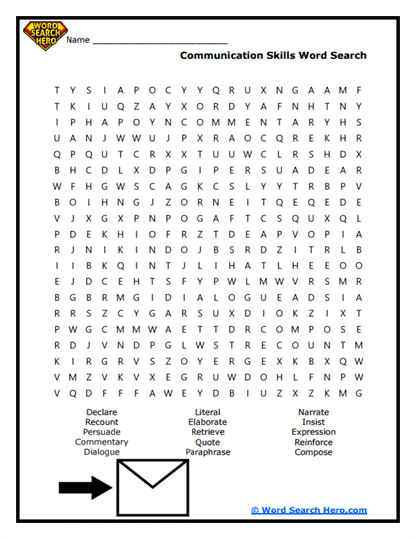
This word search introduces vocabulary that enhances communication and language skills. Words like “persuade,” “commentary,” and “dialogue” emphasize different aspects of written and spoken communication. Terms such as “literal,” “paraphrase,” and “expression” help students understand nuances in conversation and writing. This activity strengthens students’ ability to express ideas clearly and analyze various forms of communication. […]

View More
Society Spotlight Word Search

Society Spotlight

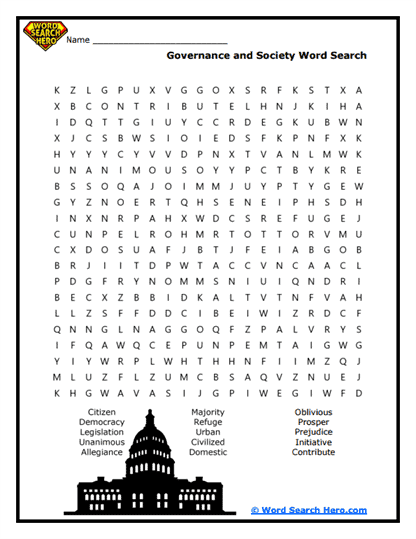
This word search explores vocabulary related to governance, citizenship, and society. Words like “democracy,” “legislation,” and “majority” highlight fundamental political and social structures. Other terms such as “prejudice,” “initiative,” and “urban” encourage discussions about societal challenges and civic responsibility. By identifying these words, students develop a stronger understanding of how societies function. This activity strengthens […]

View More
Problem Solver Word Search

Problem Solver

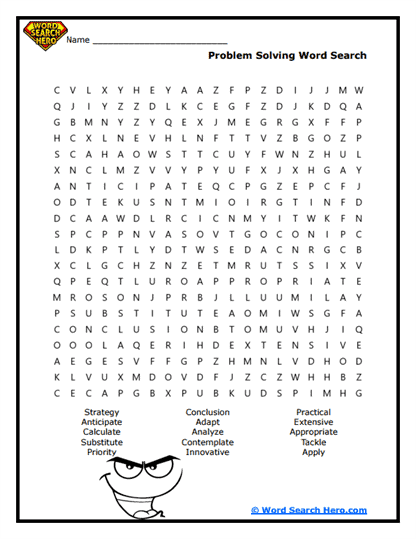
This word search focuses on words related to critical thinking and problem-solving strategies. Terms such as “analyze,” “anticipate,” and “strategy” highlight the importance of logical thinking. Words like “substitute,” “innovative,” and “conclusion” reinforce the process of decision-making and adaptability. By completing this activity, students develop a mindset geared toward effective problem-solving. Searching for these words […]

View More
History Hunter Word Search

History Hunter

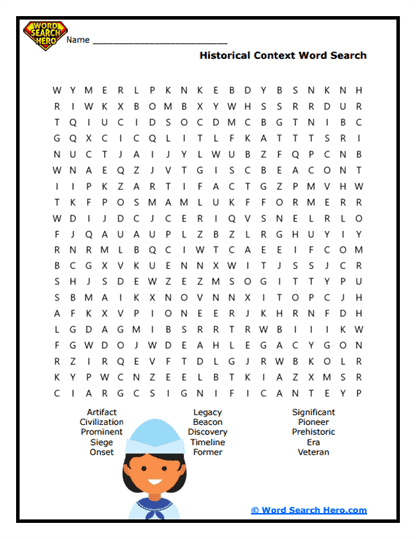
This word search introduces terms related to historical contexts and timelines. Words like “artifact,” “civilization,” and “discovery” emphasize historical study and its significance. Terms such as “siege,” “pioneer,” and “legacy” encourage discussions about key historical events and figures. Recognizing these words strengthens students’ understanding of history and the impact of past societies. Completing this activity […]

View More
Risk Raider Word Search

Risk Raider

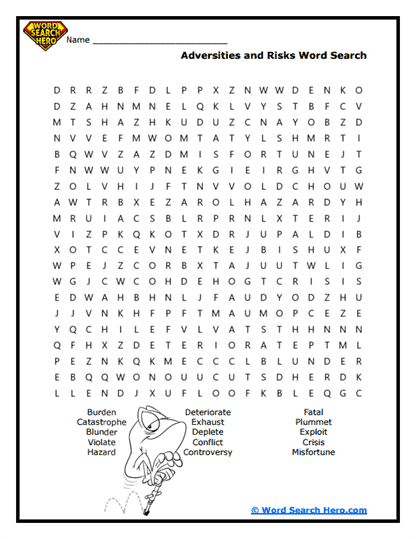
This word search focuses on words related to challenges, dangers, and adversity. Terms such as “hazard,” “conflict,” and “catastrophe” highlight different types of risks and difficulties. Words like “deplete,” “misfortune,” and “exploit” provide insight into struggles faced in various contexts. Finding these words helps students develop a better understanding of hardships and risk management. Searching […]

View More
Growth Guide Word Search

Growth Guide

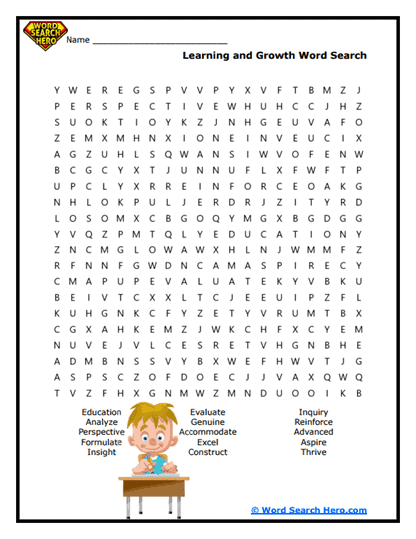
This word search emphasizes vocabulary related to learning, development, and personal growth. Words like “education,” “analyze,” and “inquiry” encourage a mindset of continuous learning. Terms such as “construct,” “accommodate,” and “thrive” highlight adaptability and perseverance. Identifying these words reinforces the importance of lifelong learning. Working on this word search helps students expand their academic vocabulary, […]

View More
Creative Canvas Word Search

Creative Canvas

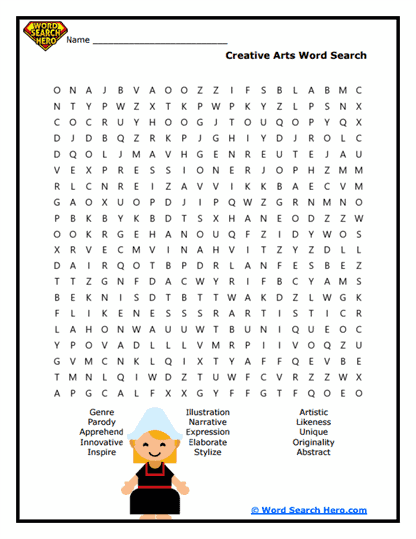
This word search focuses on vocabulary related to creativity, art, and self-expression. Words like “genre,” “narrative,” and “illustration” highlight different artistic and literary elements. Terms such as “abstract,” “originality,” and “stylize” encourage students to explore various creative techniques and forms. Finding these words helps students develop an appreciation for the arts and creative thinking. Engaging […]

View More

About Our Grade 6 Word Searches

Our Grade 6 word searches are made for students who are starting to work with stronger reading skills and more advanced vocabulary. At this level, students see longer words and more academic language in subjects like science, history, and literature.

These puzzles include words that match what students are learning in school. They might explore ideas from scientific inquiry and experiments or topics related to history and early civilizations. This helps students feel more comfortable with the kinds of words they see in class.

Instead of just studying a list, students search for words in a puzzle grid. This helps them notice spelling patterns and how words are built. Over time, this makes it easier to recognize those words while reading.

These puzzles are easy to use at school or at home. They feel fun, but they still help students build important language skills.

How Grade 6 Vocabulary Builds Strong Thinking Skills

In Grade 6, vocabulary is not just about knowing words-it’s about using them to think more clearly.

Many of the words in these puzzles are connected to problem-solving, communication, and understanding ideas. Words like “analyze,” “strategy,” and “conclusion” help students explain their thinking step by step.

Other words support communication. For example, words like “dialogue,” “expression,” and “paraphrase” help students share ideas and understand others better.

There are also words that connect to real-world topics. Students might learn words about nature, society, or emotions. This helps them understand what is happening around them and talk about it clearly.

When students practice these words, they become better at explaining ideas, solving problems, and making decisions. This is why vocabulary is such an important part of learning at this stage.

Paul’s Pro-Tip

Paul's Pro Tip For This Category
Break longer words into smaller parts as you search.

Many Grade 6 words have parts like pre, sub, -tion, or -ment. Instead of looking for the whole word at once, try to find one of these parts first.

Once you spot a piece, follow the letters around it to complete the word. This makes longer words much easier to find.

Turn Puzzle Words Into Simple Thinking Activities

After finishing a puzzle, you can turn the words into quick thinking activities.

Ask students to pick one word and explain what it means in their own words. This helps them move beyond just finding the word.

You can also ask students to use a word in a sentence. For example, they might use “strategy” to explain how they solved a problem or “experiment” to describe something they tested.

Another idea is to connect words to real situations. Students can explain how a word like “communication” is used in school or how “environment” relates to the world around them.

These simple activities help students understand the words better and use them in real life.

Frequently Asked Questions

What reading level are Grade 6 word searches designed for?

These puzzles use vocabulary that matches typical sixth grade reading levels. The words are more advanced than earlier grades but still manageable.

Are the words in these puzzles longer than earlier grade levels?

Yes, many of the words are longer and may include multiple syllables. This helps students get used to more advanced vocabulary.

Can these puzzles support middle school vocabulary lessons?

Yes, they work well for reviewing words from science, history, and language lessons. Teachers can easily connect them to what students are already learning.

Do Grade 6 word searches require advanced reading skills?

Students should have basic reading and spelling skills, but the puzzle format keeps the activity approachable and not overwhelming.

Are these puzzles still fun for students at this level?

Yes, they offer a challenge while still feeling like a game. This balance helps students stay engaged while building their vocabulary skills.