


Godzilla
Unleash your inner kaiju with these epic brain-boosting word search puzzles, packed with monstrous mayhem, legendary battles, and enough hidden words to shake a city skyline!
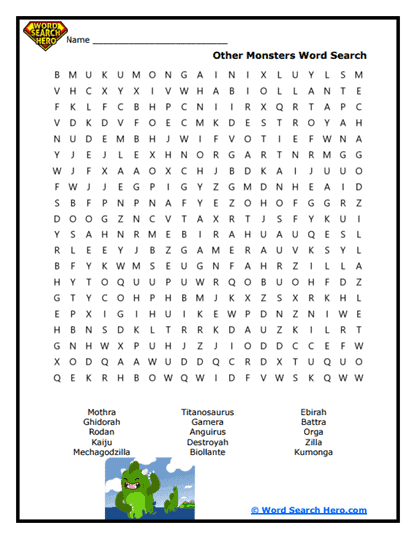
Unleash your inner kaiju with these epic brain-boosting word search puzzles, packed with monstrous mayhem, legendary battles, and enough hidden words to shake a city skyline!
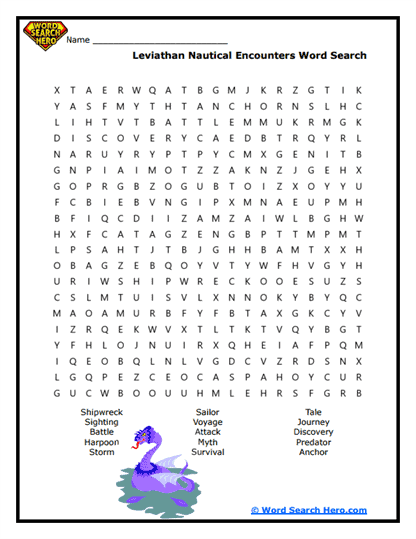
Plunge into a sea of brain-teasing fun with our Leviathan-themed word search collection, where ancient myths, deep-sea monsters, and legendary lore come to life-one hidden word at a time!

Imagine diving into a sea of whiskers, shimmering tails, and words like “plankton pâté” and “scale-fruit” while your brain does underwater cartwheels. These puzzles are so delightfully clever, adults pretend they’re printing them for kids, teachers sneak them into lessons, and cats probably dream of solving them during nap number six.

Dive into Word Search Hero’s mermaid-themed puzzles, where you’ll swim through waves of mystical lore, fascinating sea facts, and vocabulary as sparkling as a mermaid’s scales. It’s the perfect brain exercise-no swimsuit needed, but a healthy imagination (and maybe some waterproof snacks) is highly recommended!
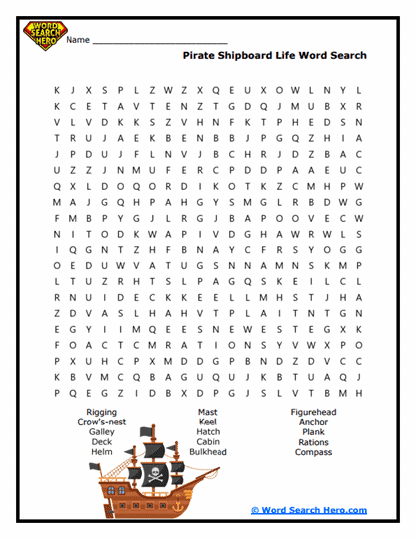

Our Siren Word Searches don’t just ask you to find words-they lure you into a mythical whirlpool of “bioluminescent” brilliance, “kelp thickets,” and sea-slaying sass. These puzzles are like diving headfirst into a glittery, brain-boosting tidepool of ocean lore where every word has fins, feathers, or at least a bit of enchanted seaweed.
Our Sea Creatures Word Searches dive into the fascinating underwater world while helping students strengthen vocabulary and reading skills through engaging printable puzzles. The ocean is home to an incredible variety of animals, from tiny seahorses to giant whales, making sea life an exciting and curiosity-filled theme for learners of all ages. These puzzles combine ocean exploration with literacy practice, giving students a fun way to interact with words connected to marine life.
Word searches are a valuable educational activity because they encourage students to actively scan and recognize words. As learners search through the puzzle grid to locate hidden terms, they practice spelling patterns, letter recognition, and visual tracking skills. These abilities support reading development and help students become more confident when encountering unfamiliar vocabulary.
Teachers often use themed puzzles like these during science units about oceans and marine ecosystems. They work well as warm-up activities, literacy centers, or enrichment tasks for students who finish assignments early. Because word searches allow students to work independently while still reinforcing important vocabulary, they help maintain a focused learning environment.
Parents and homeschool educators also find printable puzzles easy to incorporate into learning routines. A single puzzle can introduce important marine vocabulary before reading about ocean habitats or serve as a review after a lesson on sea animals.
The sea creature theme naturally sparks curiosity about ocean environments, underwater ecosystems, and the wide variety of animals that live beneath the waves. Words connected to marine life help students picture the colorful and mysterious world of the ocean while expanding their vocabulary.
By blending science themes with puzzle-solving, these activities transform vocabulary practice into a fun exploration of life beneath the sea.
The ocean covers more than two-thirds of Earth’s surface and contains one of the most diverse collections of animals on the planet. From coral reefs filled with colorful fish to the deep ocean where mysterious creatures glow in the dark, marine ecosystems are full of fascinating life.
Sea creatures come in many shapes and sizes. Some animals, like dolphins and whales, are mammals that breathe air but spend most of their lives in the water. Others, such as octopuses, jellyfish, and crabs, belong to entirely different groups of marine animals with unique characteristics and survival strategies.
Using ocean-themed word searches introduces students to vocabulary connected to these underwater environments. Words like coral, reef, tentacle, fin, and shell help learners visualize how marine animals move, feed, and survive in the ocean.
Teachers can extend the learning by asking students to think about where different sea creatures might live. Would a shark swim in open water or near reefs? Would a starfish be found along the seafloor? These discussions help students connect vocabulary with scientific ideas about marine habitats.
Students might also enjoy imagining what it would be like to explore the ocean as a marine scientist. What creatures might they discover? What underwater environments would they study? Questions like these encourage curiosity about ocean science and the amazing diversity of sea life.
Exploring marine vocabulary through puzzles helps students develop a stronger understanding of ocean ecosystems and the creatures that call them home.

Once kids finish the puzzle, turn the vocabulary into a quick ocean discovery challenge. Ask them to choose three sea creature words from the puzzle and explain one interesting fact about each animal.
Another fun extension is to have students group the words they found by habitat-reef, open ocean, or seafloor. This encourages kids to think about where different sea creatures live while reinforcing the vocabulary they just practiced.
Simple activities like these turn a quick puzzle into a deeper ocean learning moment.
Ocean themes are incredibly effective at capturing students’ curiosity. The underwater world feels mysterious and exciting, which naturally motivates learners to explore the vocabulary connected to marine science.
Word search puzzles help reinforce key science terms through repetition. As students search for words in the grid, they repeatedly scan the same vocabulary, helping them remember spelling patterns and word structures. This repeated exposure strengthens recognition when those words appear in science readings or classroom discussions.
Puzzle solving also supports cognitive development. Students must carefully scan rows, columns, and diagonals to locate hidden words, building concentration and attention to detail. These problem-solving skills are valuable across many areas of learning.
Another benefit is visualization. Words related to ocean life-such as reef, shell, fin, and coral-immediately bring vivid images to mind. These mental pictures help students better understand marine ecosystems and the environments where different sea creatures live.
When students are both curious and engaged, learning becomes more memorable. Combining puzzles with ocean exploration helps students develop vocabulary while building a stronger interest in marine science and the natural world.
These puzzles often include a wide variety of marine animals such as dolphins, sharks, octopuses, crabs, whales, seahorses, and starfish. The word lists help students become familiar with common ocean creatures while practicing spelling and word recognition.
Teachers can introduce the puzzle at the start of a marine biology lesson to familiarize students with key animal names and ocean vocabulary. After completing the puzzle, the words can be used to discuss where each animal lives and what role it plays in the ocean ecosystem.
Marine animals naturally capture students’ curiosity because the ocean contains so many unique and unusual species. Using sea creature vocabulary in puzzles helps learners stay engaged while building science-related language skills.
Parents can ask children to choose several sea creatures from the puzzle and research one interesting fact about each animal. This turns the puzzle into a springboard for deeper exploration of ocean life.
Yes, searching for the same animal names repeatedly helps reinforce spelling patterns and word recognition. When students encounter those terms later in science lessons or books, they are more likely to recognize and remember them.