


Bats
Sink your teeth into this fang-tastically fun collection of bat-themed word searches that swoop, flutter, and echo with all things batty from winged wonders to bug-munching midnight snacks.

Sink your teeth into this fang-tastically fun collection of bat-themed word searches that swoop, flutter, and echo with all things batty from winged wonders to bug-munching midnight snacks.

Squawk your way into puzzle paradise with these Blue Jay-themed word searches that are chirpier than a bird on a caffeine buzz.


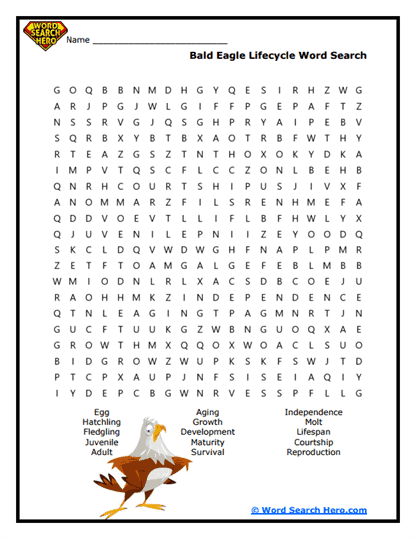
These puzzles focus on vocabulary words specifically associated with eagles, reinforcing learning through an engaging and interactive format. By searching for and recognizing these terms, users can improve their spelling, pattern recognition, and familiarity with eagle-related terminology. This method makes learning new words fun and memorable, helping to strengthen comprehension and retention of eagle-related concepts.


From nectar-sipping ninjas to feathered daredevils with better air mileage than your uncle’s RV, this collection will have your brain buzzing and your pencil begging for mercy.
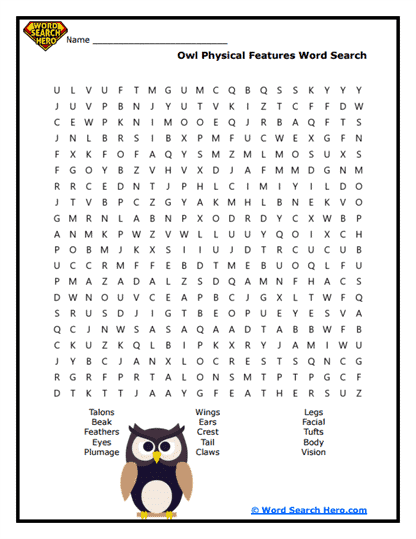
These square-shaped puzzles designed to help users discover and recognize vocabulary words specifically related to owls. These puzzles typically feature terms such as “nocturnal,” “talons,” “raptor,” “plumage,” and “tufts,” all of which describe owl characteristics, behavior, and anatomy. By searching for these words within a grid, learners can reinforce their understanding of owl-related terminology while improving their spelling and pattern recognition skills. This engaging method makes it easier to retain information about owls in a fun and interactive way, deepening knowledge of these fascinating birds.
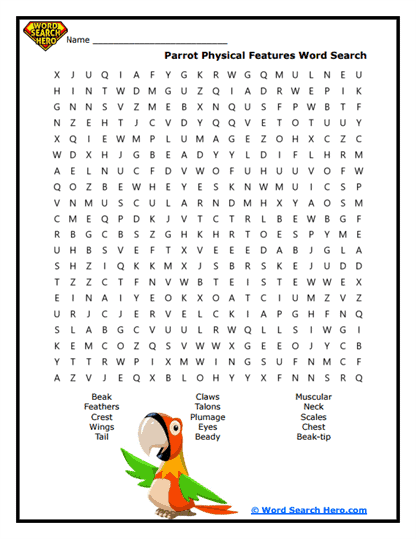
Learning parrot-related vocabulary through word searches is especially helpful because it encourages curiosity, boosts language retention, and provides an enjoyable way to expand knowledge about these unique creatures. In parrot-themed word search puzzles, you will find vocabulary related to different species, physical characteristics, behaviors, habitats, and diet. These might include names of various parrot breeds, terms describing their colorful feathers, and words associated with their intelligence and ability to mimic sounds.


Flap into feathered fun with this coo-worthy collection of pigeon and dove word searches that will have you pecking through pages like a bird on a breadcrumb buffet.


This woodpecker word search collection is a peck-tacular blend of feathery fun and brain-boosting challenge, where your only job is to hunt down birdy buzzwords faster than a woodpecker on espresso.
Our Birds Word Searches explore the colorful and fascinating world of birds while offering a fun and engaging puzzle activity. These printable puzzles feature vocabulary connected to birds, flight, nests, feathers, and the many environments where birds live. Teachers, parents, and homeschool educators often enjoy using themed puzzles like these because they combine nature topics with valuable vocabulary and reading practice.
As participants search through the puzzle grid for hidden words, they strengthen important literacy skills such as spelling recognition, visual scanning, and pattern identification. Word searches encourage learners to carefully examine rows, columns, and diagonals while locating each word. Although the activity feels like a simple game, it quietly reinforces reading fluency, concentration, and attention to detail.
The bird theme is especially engaging because birds are among the most visible animals in nature. Words related to wings, feathers, flight, and nests introduce learners to familiar wildlife they may see in their own neighborhoods. This connection to everyday nature helps keep participants motivated while strengthening vocabulary recognition.
Teachers often include bird-themed puzzles during science units about animals, habitats, or ecosystems. Parents and homeschool families also appreciate how easy the puzzles are to print and use during independent learning time or nature-focused lessons at home.
By combining wildlife vocabulary with an engaging puzzle format, bird word searches create an educational activity that encourages curiosity about animals while strengthening reading and language skills.
Birds are a group of animals known for their feathers, wings, and ability to lay eggs. Many birds can fly, although some species such as penguins and ostriches cannot. Birds live in many environments around the world, including forests, wetlands, deserts, mountains, and even cities.
Common bird-related words might include feathers, wings, nest, beak, flight, and migration. As participants search for these words inside the puzzle grid, they practice recognizing spelling patterns and strengthening word recognition skills. Repeated exposure helps reinforce vocabulary while making the activity enjoyable.
Birds play important roles in ecosystems. Some birds help spread seeds that grow into new plants, while others control insect populations. Observing birds can also help scientists learn about environmental changes and the health of natural habitats.
Teachers sometimes connect bird vocabulary with lessons about animal classification and ecosystems. Students may learn how birds differ from mammals, reptiles, and other animals while discovering how they adapt to their environments.
By exploring bird vocabulary through puzzles, learners strengthen language skills while discovering more about one of the most diverse groups of animals on Earth.

Bird word searches are great for sparking curiosity about wildlife that students can actually see outside. I like to challenge learners to find a few bird-related words before we talk about the types of birds living nearby.
Once they discover them, the discussion often turns to birdwatching and how different birds build nests or migrate during certain seasons. It’s a simple way to connect puzzles with real-world nature observations.
Bird word searches can easily lead to engaging science and nature activities. After completing the puzzle, teachers can invite students to choose one bird-related word they discovered and explain what they know about it.
For example, a student who finds the word nest might describe how birds build homes to protect their eggs. Another learner who spots the word migration might explain how some birds travel long distances during certain seasons.
Another engaging extension is a bird habitat challenge. Students can draw or describe a natural environment where birds live, such as a forest, wetland, or backyard garden. This activity helps reinforce vocabulary while encouraging creative thinking about ecosystems.
Families can also connect puzzles with outdoor exploration. After finishing the word search, children might watch birds in their yard, keep a bird observation journal, or read books about different bird species.
By linking puzzles with science and discovery, educators and parents transform a simple word search into a learning experience that celebrates wildlife, ecosystems, and the amazing diversity of birds.
Teachers often use these puzzles as warm-up activities, early finisher tasks, or quiet brain breaks during science lessons. The bird theme reinforces vocabulary related to animals, habitats, and ecosystems while keeping students engaged in learning.
Yes, they work very well in homeschool environments because they combine vocabulary practice with science and nature topics. Parents can print a puzzle and then follow it with lessons about bird species, habitats, or birdwatching activities.
Word searches reinforce vocabulary by repeatedly exposing learners to animal names and nature-related terms in a visual format. As students scan the puzzle grid and recognize spelling patterns, they strengthen word recognition skills that support reading comprehension.
Elementary and middle school students often enjoy these puzzles because birds are familiar animals that can be easily observed in nature. However, older students and adults can also enjoy them as relaxing brain challenges that reinforce vocabulary and observation skills.
Birds play important roles in ecosystems by spreading seeds, pollinating plants, and helping control insect populations. Their presence can also indicate the health of an environment, making them important species for scientists studying ecosystems.