About Our Grade 10 Word Searches
Our Grade 10 Word Searches are designed for students who are stepping into more advanced reading and learning. At this level, vocabulary becomes more detailed and more connected to real school subjects like science, history, math, and economics.
These puzzles include words students often see in textbooks, class discussions, and assignments. That means students are not just finding words-they are building familiarity with the language they need to succeed in high school.
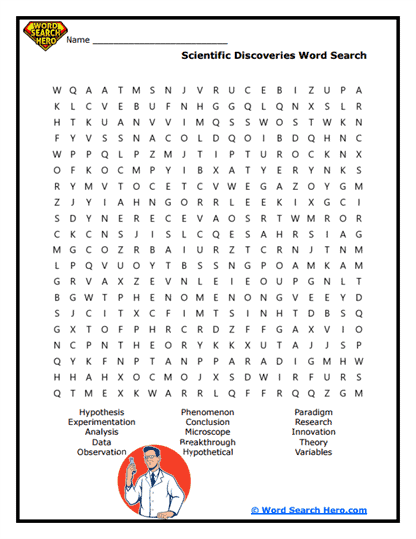
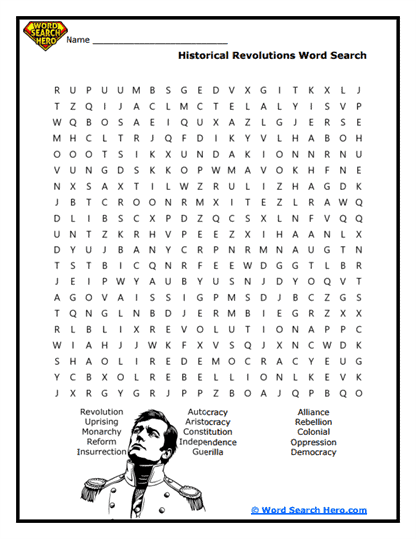
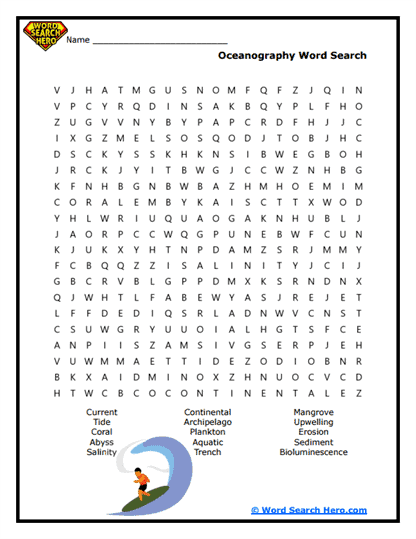
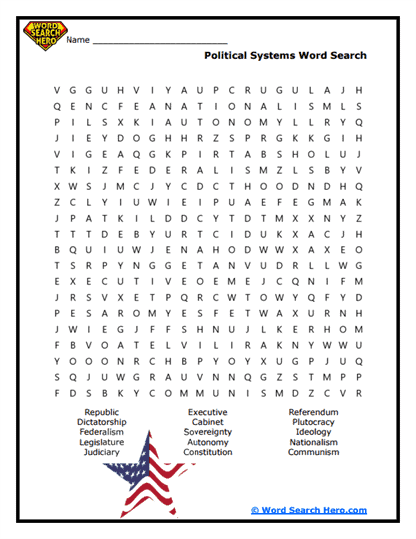
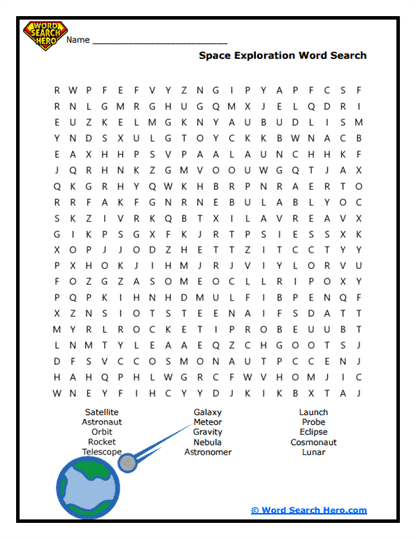
Each puzzle focuses on a specific topic. Some explore science and discovery, while others cover government, space, or global ideas. This makes them a great match for lessons connected to scientific discovery and experimentation concepts or topics tied to government systems and political structures.
Because the vocabulary is more advanced, these puzzles feel meaningful and useful. They give students a way to practice important words without the pressure of a test.
Why Grade 10 Is a Big Step Toward Academic Language
Grade 10 is where vocabulary really starts to matter across all subjects. Students are expected to understand more complex texts and explain ideas using clear, precise language.
Many of the words in these puzzles-like “hypothesis,” “inflation,” “integral,” and “sovereignty”-are not just subject-specific. They are part of academic language that shows up in many classes. Learning these words helps students read more smoothly and express their thoughts more clearly.
At this stage, students are also expected to understand how words relate to bigger ideas. For example, a word like “globalization” connects to economics, history, and current events. A word like “derivative” connects to deeper math concepts.
These puzzles help students get comfortable with that level of thinking. When they recognize these words quickly, they can focus more on understanding the topic. This is especially helpful when working with ideas from economic systems and global markets or exploring topics in space science and astronomy concepts.
Paul’s Pro-Tip
 Focus on the “academic endings” that match the topic.
In Grade 10 puzzles, many words share endings like “-tion,” “-ism,” “-ity,” or “-ology.” These endings often tell you what kind of word you’re looking for. For example, science puzzles may include “-ology” words, while history or government puzzles often include “-ism” or “-tion.”
Start by scanning the grid for those endings. Once you find one, follow it back to the beginning of the word.
This works especially well in topic-based puzzles like economics, science, or government, where many words are built in similar ways.
Turn Puzzle Words Into Mini Research Tasks
These puzzles can easily turn into short research activities.
After finishing a puzzle, have students pick 2-3 words they don’t fully understand. Then, ask them to look up each word and write a short explanation in their own words. This helps move from simple recognition to real understanding.
You can also ask students to connect the word to a real example. For example, they might explain how “inflation” affects prices, or how a “satellite” is used in space exploration. This makes the learning more meaningful.
Another idea is to have students share what they learned with a partner or the class. This builds both understanding and communication skills.
These small research steps help students go beyond the puzzle and start using vocabulary in a deeper way.
Frequently Asked Questions
What kinds of topics are included in Grade 10 word searches?
These puzzles cover subjects like science, history, economics, math, government, space, and art. The vocabulary reflects what students are learning across different high school classes.
Do these puzzles help students understand subject-specific vocabulary?
Yes, they do. Students work with important terms like hypothesis, inflation, derivative, and sovereignty, which are used in real academic settings.
Are these puzzles useful for science and math learning?
They can be very helpful. Words like equation, probability, integral, and phenomenon help students become more familiar with key concepts in both subjects.
Can these puzzles support learning about global and historical topics?
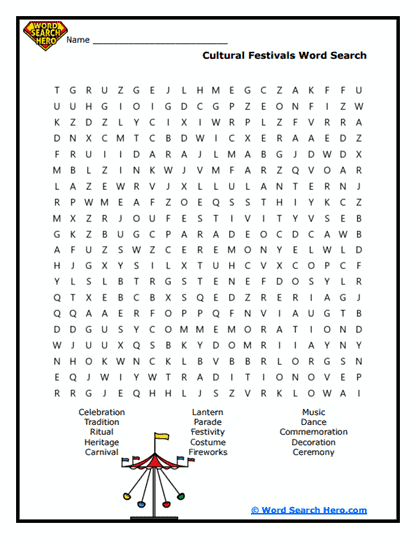
Yes. Many puzzles include words related to revolutions, government systems, and cultural traditions, helping students better understand world events and societies.
How do these puzzles help students prepare for higher-level learning?
They build comfort with advanced vocabulary, improve spelling recognition, and help students connect words to real ideas. This makes it easier to read, write, and participate in class discussions.