Choose a topic !

Impossible Vocabulary Word Searches

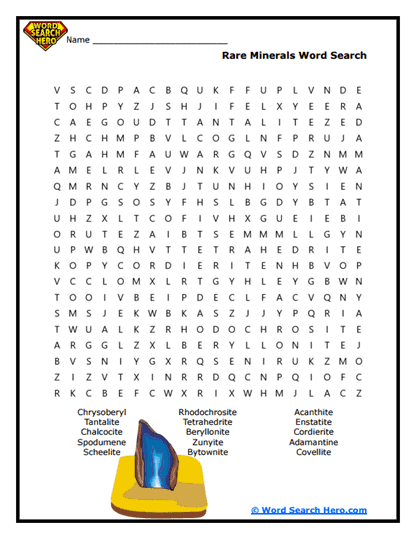
Gemstone Quest Word Search

Gemstone Quest

This word search explores the fascinating world of rare minerals, featuring unique gemstones and valuable minerals that are highly sought after. The puzzle includes words such as “Chrysoberyl,” “Tantalite,” and “Rhodochrosite,” which are known for their vibrant colors and scientific importance. Some minerals in the list are used in jewelry, while others have industrial or […]

View More
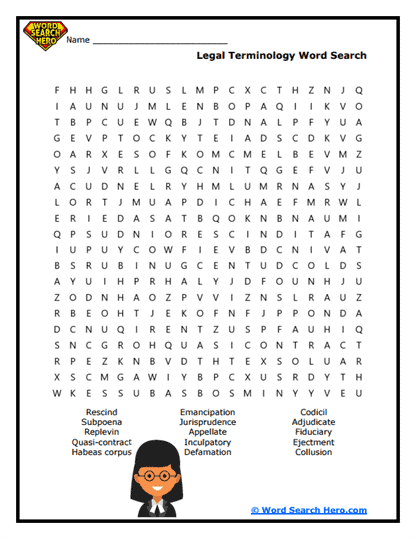
Legal Lexicon Word Search

Legal Lexicon

This puzzle contains legal terminology used in courtrooms, contracts, and judicial proceedings. Words like “Subpoena,” “Jurisprudence,” and “Defamation” are critical in understanding the legal system. Some terms deal with legal principles, while others relate to legal documents and procedures. Solving this word search helps students and aspiring law professionals become more familiar with complex legal […]

View More
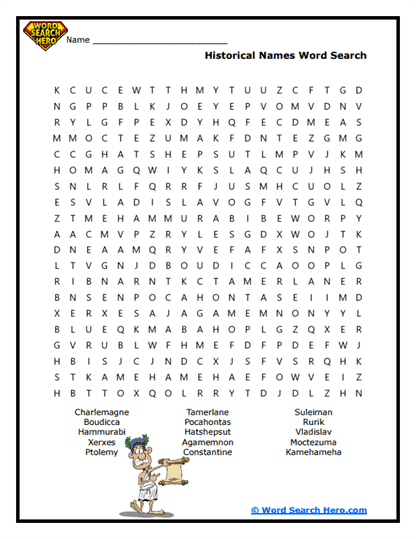
History Hunters Word Search

History Hunters

This word search highlights important historical figures from different time periods and cultures. Names like “Charlemagne,” “Pocahontas,” and “Moctezuma” represent rulers, warriors, and influential leaders. Each name carries a unique story of conquest, diplomacy, or cultural significance. This puzzle serves as an engaging way for students to reinforce historical knowledge and recognize key figures in […]

View More
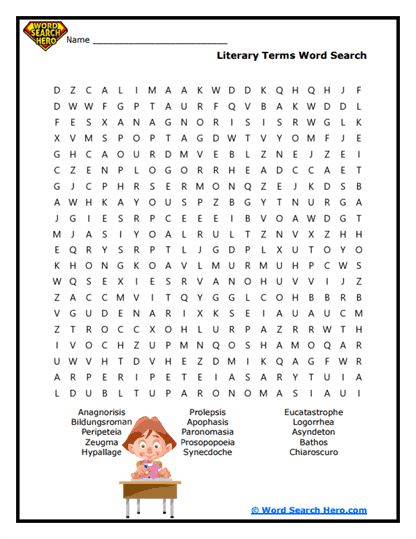
Literary Labyrinth Word Search

Literary Labyrinth

This puzzle challenges students to find advanced literary terms used in storytelling and rhetorical analysis. Words like “Anagnorisis,” “Bildungsroman,” and “Synecdoche” represent techniques and structures that authors use to convey deeper meanings. Some terms relate to figures of speech, while others describe narrative styles. This word search is a great way to reinforce literary terminology […]

View More
Botanical Bonanza Word Search

Botanical Bonanza

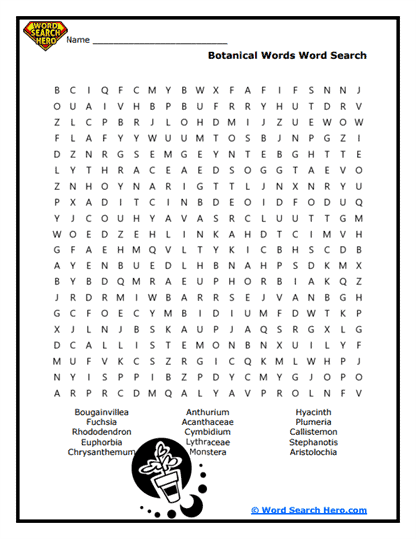
This puzzle features botanical terms related to plants, flowers, and their scientific classifications. Words like “Bougainvillea,” “Rhododendron,” and “Monstera” represent different plant species known for their beauty and ecological importance. Some words refer to specific plant families, while others are names of well-known flowering plants. This word search is ideal for plant enthusiasts and students […]

View More
Mythic Maze Word Search

Mythic Maze

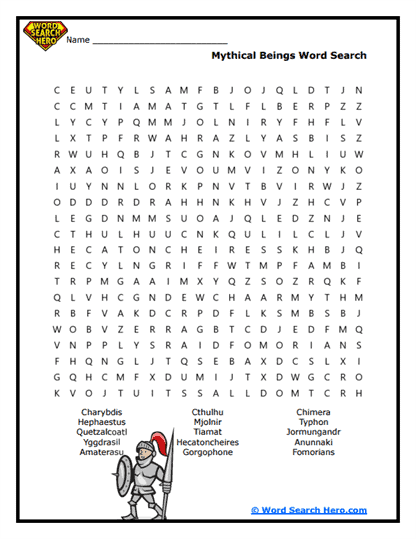
This word search is filled with legendary beings from myths and folklore worldwide. Names like “Cthulhu,” “Jormungandr,” and “Chimera” represent creatures from different mythologies, including Norse, Greek, and Lovecraftian legends. Some are gods or powerful beings, while others are monstrous entities that appear in epic tales. This puzzle is a fun way to explore mythology […]

View More
Architectural Adventure Word Search

Architectural Adventure

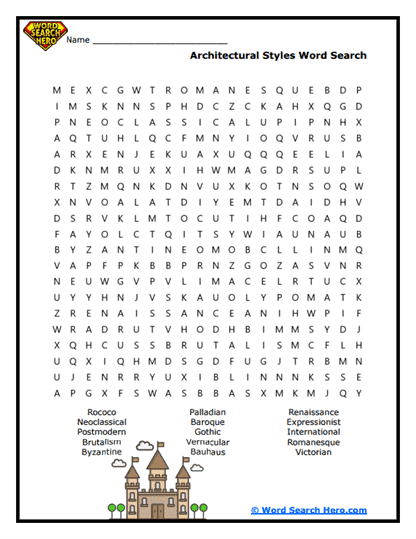
This puzzle features architectural styles from different historical periods and movements. Words like “Baroque,” “Gothic,” and “Brutalism” represent design trends that have shaped buildings worldwide. Some styles are ancient, while others are modern innovations. This word search is perfect for students interested in architecture and design history. By engaging with these terms, students improve their […]

View More
Linguistic Ladder Word Search

Linguistic Ladder

This puzzle introduces students to important linguistic terms related to phonetics, morphology, and speech patterns. Words like “Diphthong,” “Morphophonemics,” and “Suprasegmental” relate to language formation and pronunciation. Some terms are used in phonology, while others describe how speech is structured. This puzzle is ideal for students studying linguistics and phonetics. Engaging with these linguistic terms […]

View More
Animal Oddities Word Search

Animal Oddities

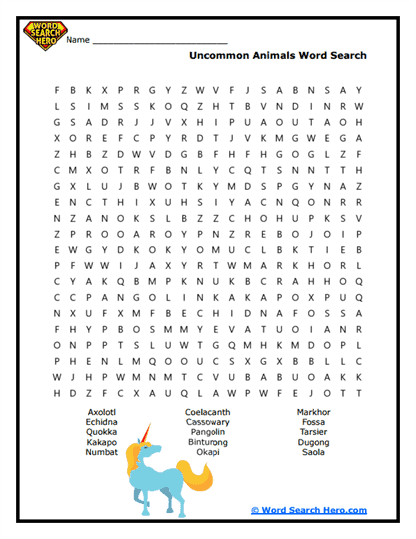
This word search introduces students to uncommon and exotic animals from around the world. Words like “Axolotl,” “Echidna,” and “Coelacanth” represent creatures that are either rare, endangered, or have unique biological traits. Some are well-known for their strange adaptations, while others are evolutionary relics from ancient times. This puzzle is an engaging way to explore […]

View More
Exotic Eats Word Search

Exotic Eats

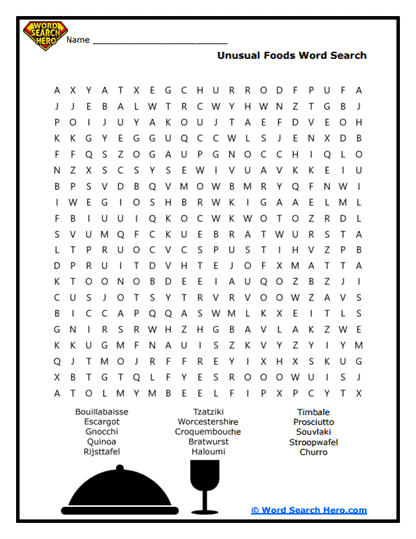
This puzzle features unusual and international foods that many people may not have tried before. Words like “Bouillabaisse,” “Souvlaki,” and “Stroopwafel” represent dishes from various cultures and cuisines. Some are traditional meals, while others are famous for their unique preparation or ingredients. This word search is a fun way to explore global culinary diversity. By […]

View More

About Our Impossible Vocabulary Words Word Searches

Our Impossible Vocabulary Words Word Searches are designed for puzzle lovers who enjoy a real challenge. These printable puzzles feature extremely advanced vocabulary that pushes learners to think carefully about spelling, letter patterns, and word recognition. They’re perfect for older students, curious readers, and anyone who enjoys tackling difficult word puzzles.

Teachers often use challenging word searches to encourage perseverance and problem-solving. When students search for longer, complex words, they naturally practice scanning skills, spelling awareness, and visual pattern recognition. These puzzles require patience and attention to detail, making them excellent tools for building focus while still keeping the activity fun.

Parents and homeschool educators also appreciate how easy these puzzles are to use. With a simple printout, learners can begin an engaging activity that quietly strengthens literacy skills. Because the word lists include unusual and sophisticated terms, students frequently encounter vocabulary they may not see in everyday reading. That exposure can spark curiosity and encourage learners to ask questions about meaning and usage.

Impossible vocabulary puzzles are especially appealing to students who enjoy brain teasers and intellectual challenges. Finding a particularly tricky word hidden diagonally or backwards can feel like solving a mini mystery. That sense of discovery keeps learners motivated while reinforcing spelling patterns and language recognition.

Over time, activities like these help students become more comfortable with difficult words. Instead of feeling intimidated by long or unfamiliar vocabulary, they learn to approach complex language with curiosity and confidence.

These puzzles transform advanced vocabulary practice into an engaging challenge that supports literacy growth while delivering the satisfaction of solving something truly difficult.

Decoding the Toughest Words

Impossible vocabulary words often look intimidating at first glance. Many contain unfamiliar combinations of letters, unusual spellings, or word parts that students rarely encounter. But once learners begin examining these words closely, patterns start to emerge.

One helpful strategy is breaking long words into smaller pieces. Many advanced terms are built from prefixes, roots, and suffixes that carry meaning. When students recognize these building blocks, complex vocabulary becomes easier to understand and remember.

For example, a word that includes the suffix -ology usually relates to a field of study. Words ending in -phobia often describe fears, while -ism commonly signals beliefs or systems of thought. Spotting these familiar endings can help students make sense of even the most intimidating vocabulary.

Word search puzzles give learners a unique opportunity to study these patterns. As they scan the puzzle grid, they repeatedly encounter the same word structures and letter combinations. This visual repetition strengthens recognition skills and improves spelling awareness.

Teachers sometimes turn this activity into a mini investigation. After solving the puzzle, students can choose a word they found particularly difficult and research its meaning or origin. This transforms the puzzle into a springboard for deeper language exploration.

Instead of memorizing difficult vocabulary from a list, learners discover words through curiosity and challenge. That process helps them build stronger connections to language and makes even the toughest words feel a little more approachable.

Paul’s Pro-Tip

When a word looks impossible, start by hunting for the rare letters first.Paul's Pro Tip For This Category

Letters like Q, X, Z, and J stand out in the grid and can quickly reveal where a difficult word might be hiding. Once you find one of those unusual letters, check the surrounding spaces to see if the rest of the word forms around it.

Another trick is to run your finger along the grid while slowly spelling the word in your head. Your brain often recognizes the pattern before your eyes do.

And remember: if the puzzle feels impossible, you’re probably just one diagonal line away from cracking it.

Why Challenging Puzzles Strengthen the Brain

Difficult word searches do more than entertain-they provide an excellent workout for the brain. When students search for extremely complex vocabulary, they engage multiple cognitive skills at the same time.

First, these puzzles improve visual scanning ability. Learners must carefully examine rows, columns, and diagonal lines while filtering out irrelevant letters. This strengthens attention control and pattern recognition.

Second, challenging puzzles build mental persistence. Easy activities often allow students to solve problems quickly, but impossible vocabulary puzzles require patience and strategy. Students learn to slow down, rethink their approach, and keep trying even when the answer isn’t immediately visible.

Another benefit is memory reinforcement. The longer students interact with difficult words-searching for them, spelling them mentally, and visually locating them-the more likely those words are to stick in memory. Even unfamiliar vocabulary becomes easier to recognize after repeated exposure.

For advanced readers, this kind of activity provides a refreshing intellectual challenge. It keeps their minds engaged without feeling like traditional homework.

Over time, learners begin to approach difficult language with more confidence. What once seemed overwhelming becomes an exciting puzzle waiting to be solved.

That combination of challenge, curiosity, and discovery makes difficult vocabulary puzzles a surprisingly powerful learning tool.

Frequently Asked Questions

Who are impossible vocabulary word searches best for?

These puzzles are ideal for older students, advanced readers, puzzle enthusiasts, and anyone who enjoys a serious word challenge.

Can teachers use these puzzles in the classroom?

Yes. Teachers often use them as warm-up activities, brain breaks, early finisher tasks, or enrichment challenges for students who enjoy difficult puzzles.

Do students need to know the meaning of every word?

Not necessarily. Encountering unfamiliar words can encourage students to look up definitions and expand their vocabulary naturally.

Are these puzzles useful for homeschool learning?

Absolutely. They provide a simple, engaging way to add vocabulary exploration and problem-solving practice to homeschool lessons.

Why are difficult word searches beneficial?

They strengthen concentration, reinforce spelling patterns, improve visual scanning skills, and expose learners to advanced vocabulary in an enjoyable format.