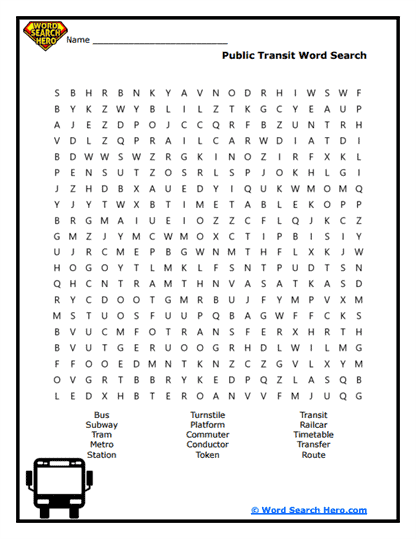
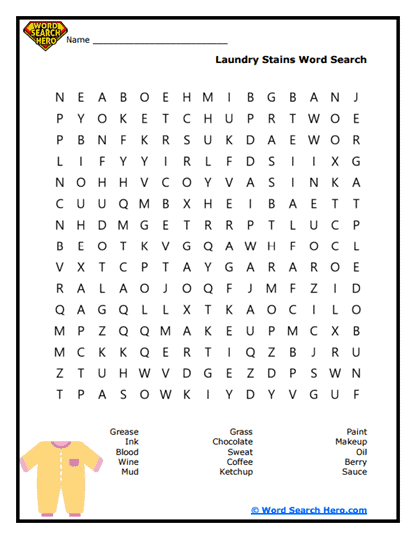
About Our Chores Word Searches
Every household runs a little more smoothly because of chores. From cooking dinner and doing laundry to helping younger siblings, volunteering, or even commuting to work, these everyday responsibilities teach valuable life skills that children can begin learning from an early age. Our Chores Word Searches transform familiar household tasks into an engaging vocabulary activity that helps students connect new words with real-world responsibilities.
These printable puzzles are designed for teachers, parents, homeschoolers, and caregivers who want to introduce practical life concepts in a fun, low-pressure way. As children search for words related to cleaning, organizing, cooking, childcare, and helping others, they strengthen spelling, reading fluency, visual scanning, and concentration. Because the vocabulary reflects everyday experiences, students often recognize many of the words, making it easier to build confidence while expanding their understanding of responsibilities at home and in their communities.
The collection also encourages meaningful conversations about teamwork, independence, and contributing to a family. A puzzle about cooking can lead to discussions about kitchen safety, while a laundry-themed activity can introduce clothing care and organization. Word searches focused on volunteering or visiting family help children appreciate kindness, relationships, and community involvement.
Each printable puzzle includes an answer key, making preparation simple for educators and parents. Whether used as a classroom warm-up, an early finisher activity, a homeschool lesson supplement, or a rainy-day challenge, these puzzles provide an enjoyable way to reinforce practical vocabulary while encouraging children to see chores not simply as work, but as important ways to care for themselves and others.
Everyday Responsibilities Become Real-World Lessons
One of the greatest strengths of learning about chores is that the vocabulary immediately connects to everyday life. Children don’t have to imagine distant places or unfamiliar concepts-they can often practice what they’ve learned the very same day. After completing a puzzle about cooking, they might help measure ingredients or set the table. A laundry puzzle could inspire them to sort clothes by color or match socks. Even a word search about commuting can spark conversations about transportation, road safety, or the different ways families travel each day.
These printable activities also support responsibility in a positive way. Instead of presenting chores as punishments, they highlight how every task contributes to a well-functioning household and caring community. Students begin to understand that cooking provides meals, laundry keeps clothes clean, childcare helps younger family members, volunteering supports neighbors, and visiting relatives strengthens family connections.
Teachers can extend the lesson by asking students to categorize chores into daily, weekly, or occasional responsibilities. Families might create a simple chore chart after completing a puzzle or discuss which tasks children can safely begin learning at different ages. These activities naturally build executive functioning skills such as planning, sequencing, and organization while reinforcing vocabulary in an enjoyable format.
By connecting language with real experiences, children develop a greater appreciation for teamwork and discover that every helpful action-big or small-makes a difference.
Paul’s Pro-Tip
After having my fill of being around the classroom, I discovered that kids become much more interested in chores when they actually know what the words mean! After finishing a puzzle, have your child choose one new chore word and demonstrate it with you. Maybe they fold a towel, stir pancake batter, sort laundry, or help pack a lunch. Learning one small skill at a time builds confidence, and before long they’re proudly saying, “I can do that myself!” Plus, you’ll have a helper instead of someone mysteriously disappearing when it’s cleanup time.
Building Responsibility Through Play
Children often learn best when education feels like a game, and that’s exactly what these printable activities provide. Word searches challenge students to slow down, pay attention to detail, and recognize spelling patterns while exploring the language of everyday responsibilities. Instead of memorizing lists of chores, they encounter the vocabulary naturally through problem-solving and repetition.
This collection introduces a wide variety of household and community responsibilities. Cooking develops an appreciation for meal preparation, laundry teaches organization and clothing care, childcare emphasizes patience and kindness, volunteering highlights community service, and commuting introduces transportation and daily routines. Together, these topics paint a complete picture of how people contribute to families and society.
Parents and educators can build on each puzzle by asking open-ended questions such as, “Which chore would you like to learn next?” or “Why is this task important?” Older students can compare responsibilities across different households or discuss how chores change as people grow older. Younger learners may enjoy drawing pictures of themselves completing a favorite household task.
Because the puzzles are printable and reusable across many settings, they’re perfect for classrooms, homeschool lessons, family activity nights, scout meetings, or life skills units. They quietly reinforce literacy while helping children understand that responsibility isn’t just about completing tasks-it’s about caring for others, working together, and taking pride in contributing to everyday life.
Frequently Asked Questions
Why are chore-themed word searches useful for children?
They introduce practical vocabulary while encouraging conversations about responsibility, independence, teamwork, and the everyday tasks that keep a home running smoothly.
How can I use these puzzles to teach life skills?
After completing a puzzle, choose one featured chore and demonstrate it together. Practicing simple tasks like sorting laundry, setting the table, or preparing snacks helps children connect vocabulary with real experience.
Which age groups benefit most from these printables?
Elementary-aged students benefit the most, but younger children can complete puzzles with assistance, while older students can use them as discussion starters for responsibility, time management, and community service.
Can these word searches fit into classroom lessons?
Absolutely. They’re excellent for life skills units, community helper lessons, morning work, substitute teacher activities, vocabulary practice, or character education discussions about responsibility and cooperation.
What kinds of chores are included in this collection?
The collection explores many everyday responsibilities, including cooking, doing laundry, commuting, taking care of children, volunteering, visiting family, and other tasks that help families and communities thrive.