About Our Easy Vocabulary Word Searches
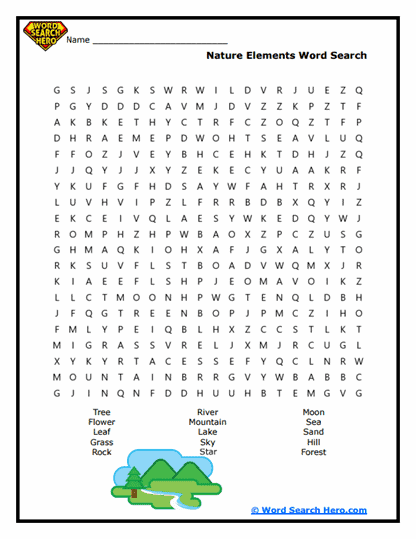
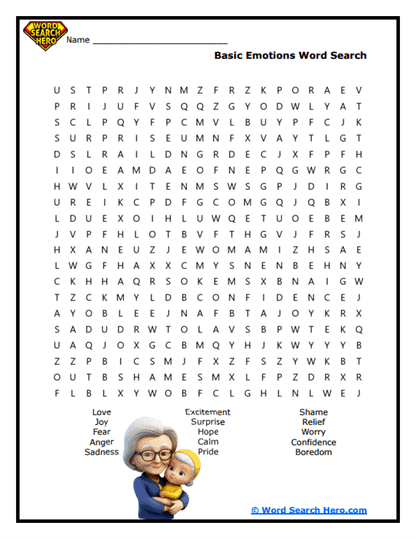
These easy vocabulary word searches are made for one simple purpose: to help learners get comfortable with words without feeling overwhelmed.
The puzzles use shorter words, cleaner layouts, and less crowded grids so it’s easier to spot what you’re looking for. Instead of struggling through a difficult puzzle, learners can actually make progress, stay engaged, and finish what they start.
They’re a good fit for early readers, beginners, or anyone who prefers something straightforward and low-pressure. Just print one out and begin-no instructions or setup needed.
Good for Short Attention Spans
Not every learner is ready to sit down and focus for long stretches-and that’s completely normal. In fact, for many early readers, attention comes in short bursts. The key is making those short bursts count.
These puzzles are designed with that in mind.
Because the grids are simpler and the words are easier to spot, learners can make progress quickly. That early progress matters. When someone finds a few words right away, it creates a sense of momentum that keeps them going instead of giving up.
Short, manageable activities like this are often more effective than longer ones that lead to frustration. A 5-10 minute puzzle that gets finished can be more valuable than a longer activity that gets abandoned halfway through.
They’re also flexible enough to fit into real-life moments where attention is naturally limited:
- a quick activity before dinner
- a calm reset after school
- something to focus on during waiting time or transitions
Over time, consistently completing small tasks like these helps build focus endurance. Learners get used to staying with an activity, finishing it, and moving on-without feeling overwhelmed.
A Gentle Start for Growing Word Confidence
For many learners, confidence comes before mastery. That is one reason easy vocabulary word searches can be so effective. They give students a chance to interact with words in a format that feels playful rather than stressful, which helps build a strong foundation for future reading and writing growth.
When a learner completes an approachable puzzle, they experience success right away. That success matters. It tells the student that words are manageable, patterns can be spotted, and learning can feel enjoyable. Over time, these small wins encourage learners to approach new vocabulary with curiosity instead of hesitation.
Teachers often use easier puzzles to introduce a set of target words before reading a story or beginning a new unit. Students first become visually familiar with the words in the puzzle, then encounter them again in books, conversations, and writing tasks. This repeated exposure helps reinforce recognition naturally.
Easy vocabulary puzzles are also helpful for review. After a week of spelling or language arts lessons, a printable word search can provide a calm, engaging way to revisit key terms. Because the activity feels like a game, learners stay involved without feeling like they are repeating the same lesson again.
For homeschoolers, these puzzles fit nicely into independent work time. Students can complete them on their own, then read the words aloud or use a few in simple sentences. That makes the activity both flexible and meaningful.
Sometimes the best learning tools are the ones that feel the least intimidating.
Paul’s Pro-Tip
I learned that easy puzzles are not “baby work”-they are confidence builders in disguise.
Here’s my favorite trick: before students start searching, have them read the word list out loud once. Hearing the words first makes them much easier to spot in the grid.
And if someone finds a word in three seconds flat, I celebrate like they just solved a mystery worthy of a detective badge. Why? Because excitement is contagious.
A student who feels proud finding wonderful or curious today is much more willing to tackle bigger words tomorrow. Start easy, celebrate often, and let confidence do the heavy lifting.
Small Puzzles, Big Classroom Benefits
Easy vocabulary word searches may look simple, but they can do a lot of useful work in the classroom. Because they require little setup and feel instantly familiar, teachers can use them in many different ways throughout the school day.
One popular use is as a bell ringer. Students come in, settle down, and begin searching for words while the class gets organized. This creates a calm start to the day and shifts attention toward language right away. The same puzzles also work well during transition times, when teachers need a focused activity between subjects.
These printables are also helpful for literacy centers. While one group works with the teacher, another can complete a word search independently. Since the format is straightforward, students do not need constant directions. That independence makes the activity especially useful for mixed-level classrooms.
Easy puzzles can also support reluctant learners. Some students feel nervous during reading or spelling lessons, especially when they worry about making mistakes. A simple word search lowers the pressure and gives them a way to participate successfully. That positive experience can improve engagement over time.
At home, parents and homeschoolers can use these puzzles as quick practice that does not feel repetitive. A few minutes of searching can reinforce important words while keeping the mood light and encouraging.
Sometimes a small, familiar activity becomes the one learners look forward to most.
Frequently Asked Questions
How easy are these puzzles compared to standard word searches?
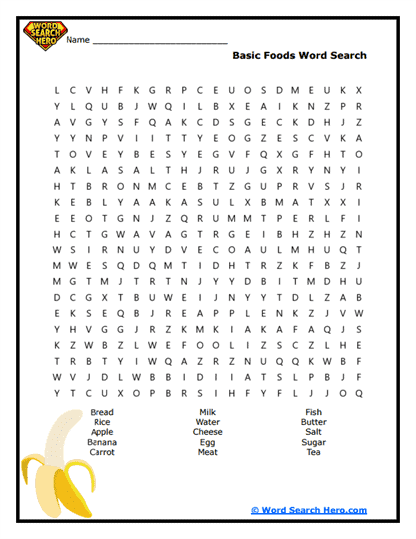
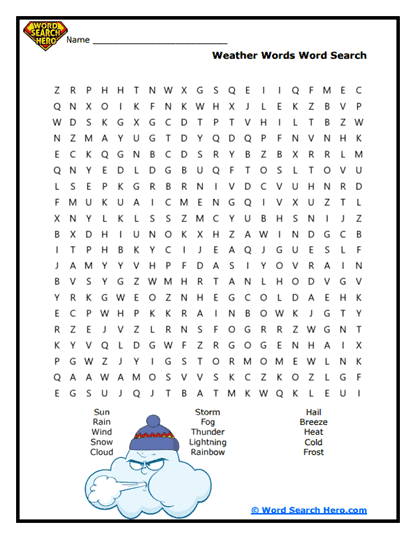
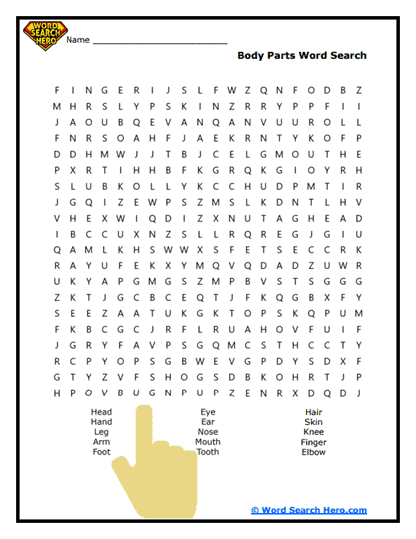
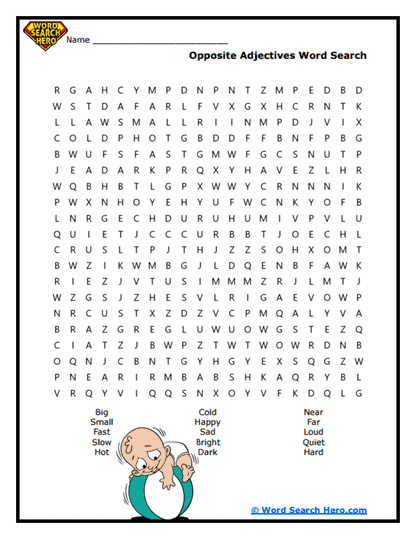
These are designed to be much more beginner-friendly. The grids are smaller, the words are shorter, and most are placed in simple directions like left-to-right or top-to-bottom, so learners can find words without getting stuck.
How long does it take to complete one puzzle?
Most easy puzzles take about 5 to 10 minutes to finish. They’re short enough to keep attention, but still give a sense of accomplishment when completed.
Can beginners complete these on their own?
Yes. These puzzles are built for independent use, so most learners can complete them without help. That independence is what helps build confidence early on.
Are the puzzles organized by theme?
Many of them are. You’ll often see familiar topics like animals, food, or everyday objects, which makes it easier for learners to recognize and connect with the words.
What if a learner still finds the puzzle difficult?
If needed, you can guide them by pointing out the first letter of a word or helping them find one or two to get started. Once they find a few, it becomes much easier to continue on their own.