Choose a topic !

Grade 9 Word Searches

Phenomenal Science Word Search

Phenomenal Science

This word search focuses on scientific discoveries and research terminology. It includes vocabulary related to the scientific method, such as “hypothesis,” “observation,” and “analysis,” alongside terms like “experiment” and “variable.” These words are commonly used in laboratory settings and theoretical discussions about scientific inquiry. Completing this puzzle helps reinforce key scientific concepts and fosters familiarity […]

View More
Historic Moments Word Search

Historic Moments

This word search is centered on major historical events and concepts. Words like “revolution,” “monarch,” “empire,” and “democracy” relate to governance and societal changes throughout history. Other terms, such as “treaty” and “warfront,” emphasize political agreements and conflicts that shaped nations. This puzzle challenges students to familiarize themselves with key historical terms that appear in […]

View More
Literary Legends Word Search

Literary Legends

This word search features literary devices commonly used in storytelling and writing. It includes figurative language terms like “metaphor,” “simile,” “hyperbole,” and “oxymoron.” Other words such as “symbolism” and “foreshadowing” highlight key storytelling techniques that authors use to create depth and meaning. Completing this word search helps students become more familiar with literary elements that […]

View More
Geographic Wonders Word Search

Geographic Wonders

This word search introduces students to various geographic features found across the world. Words like “plateau,” “delta,” “glacier,” and “archipelago” describe landforms and water bodies that shape Earth’s surface. Other terms, such as “tundra” and “savanna,” highlight different climate regions. The puzzle encourages students to engage with geography-related vocabulary and recognize terms used in map […]

View More
Eco Awareness Word Search

Eco Awareness

This word search focuses on environmental issues and sustainability. Words like “pollution,” “deforestation,” “biodiversity,” and “recycling” highlight major ecological concerns. Other terms, such as “renewable” and “carbon emission,” emphasize sustainability and environmental responsibility. The puzzle helps students engage with terminology related to conservation efforts and climate change discussions. Engaging with this word search helps students […]

View More
Cultural Tapestry Word Search

Cultural Tapestry

This word search explores cultural traditions and customs from around the world. Words like “ceremony,” “ritual,” “ancestry,” and “folklore” highlight cultural practices passed down through generations. Other terms, such as “music,” “attire,” and “cuisine,” represent different aspects of cultural identity. The puzzle encourages students to explore diverse traditions and their significance. Completing this word search […]

View More
Tech Revolution Word Search

Tech Revolution

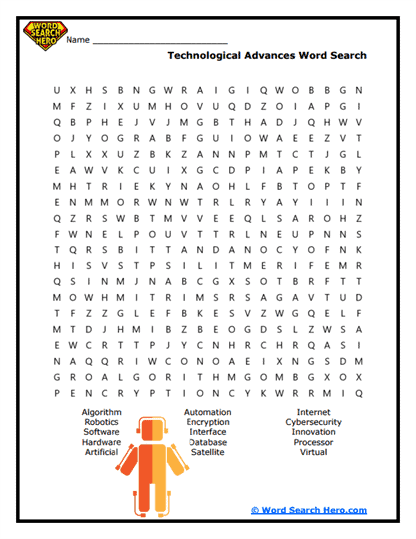
This word search highlights key technological advancements and computing terms. Words like “algorithm,” “robotics,” “encryption,” and “cybersecurity” reflect modern technological fields. Other terms, such as “hardware,” “database,” and “interface,” relate to computing and digital systems. The puzzle helps students familiarize themselves with vocabulary used in technology and innovation discussions. Engaging with this word search builds […]

View More
Economic Essentials Word Search

Economic Essentials

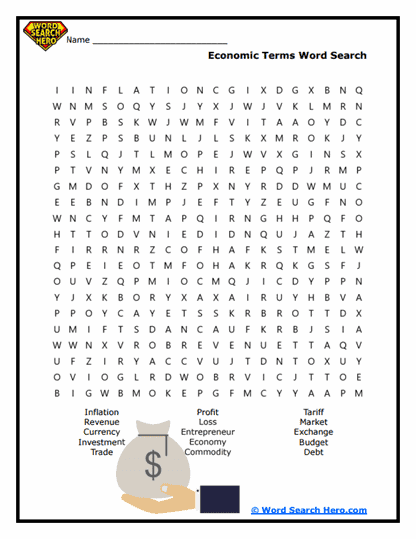
This word search focuses on economic terms related to finance, trade, and business. Words like “inflation,” “revenue,” “entrepreneur,” and “tariff” emphasize economic concepts. Other terms, such as “commodity,” “exchange,” and “debt,” highlight financial principles. The puzzle helps students build familiarity with vocabulary used in economics and financial literacy. Completing this word search improves students’ understanding […]

View More
Artistic Movements Word Search

Artistic Movements

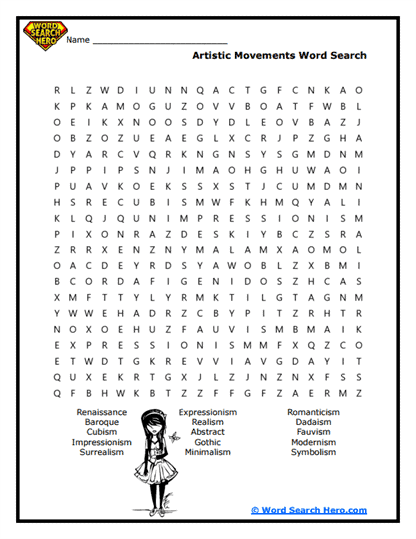
This word search highlights major artistic movements throughout history. Words like “Renaissance,” “Cubism,” “Surrealism,” and “Expressionism” represent different styles and periods of art. Other terms, such as “Realism,” “Minimalism,” and “Dadaism,” reflect diverse artistic approaches. The puzzle introduces students to influential artistic movements and their impact on visual culture. Engaging with this word search helps […]

View More
Wellness Wisdom Word Search

Wellness Wisdom

This word search focuses on health and wellness-related vocabulary. Words like “nutrition,” “exercise,” “immunity,” and “hygiene” emphasize physical well-being, while terms such as “meditation,” “therapy,” and “recovery” highlight mental and emotional health. Other words like “vaccination,” “epidemic,” and “symptoms” relate to medical care and disease prevention. The puzzle encourages students to familiarize themselves with essential […]

View More

About Our Grade 9 Word Searches

Our Grade 9 Word Searches are made for students who are just starting high school and working with more advanced vocabulary. At this level, words become more formal and are often tied to real subjects like science, history, literature, and technology.

These puzzles include the kinds of words students will see in class, like “hypothesis,” “democracy,” or “symbolism.” That means students are not just solving a puzzle-they are getting more comfortable with the language used in high school learning.

Each puzzle focuses on a specific topic, such as science, geography, or wellness. This makes them a great match for lessons connected to scientific method and lab vocabulary or topics tied to literary devices and storytelling techniques.

These puzzles feel like a break from regular schoolwork, but they still build important skills. Students can practice reading, spelling, and recognizing words in a way that feels simple and manageable.

Why Grade 9 Vocabulary Feels More Formal and Precise

In Grade 9, vocabulary starts to sound more formal because students are learning how to explain ideas clearly and correctly. Words are not just longer-they are more exact and used in specific ways.

For example, instead of saying something is “big,” students might use a word like “significant.” Instead of saying “idea,” they might say “hypothesis” or “theory.” These words help students communicate more clearly in writing and discussions.

Many of these words also connect to specific subjects. A word like “analysis” may be used in science, literature, and history. A word like “biodiversity” connects to environmental studies. This shows how vocabulary works across different classes.

These puzzles help students get used to that kind of language. When they see these words often, they become easier to recognize and understand. This is especially helpful when learning about topics like environmental issues and sustainability terms or exploring ideas in world geography and landform vocabulary.

Paul’s Pro-Tip

Paul's Pro Tip For This CategoryPay attention to how the word “looks” as a whole shape.

Grade 9 words are often longer, so instead of checking one letter at a time, try to notice the overall shape of the word. Look for tall letters, repeated patterns, or unique parts like “ph,” “geo,” or “bio.”

For example, a word like “hypothesis” has a very distinct shape and letter pattern. Once you spot part of it, the rest becomes much easier to find.

This works especially well in puzzles with scientific, literary, or geographic terms where many words have recognizable patterns.

Ways to Strengthen Understanding With These Word Lists

These puzzles are a great starting point, but you can take learning a step further with a few simple ideas.

After finishing a puzzle, ask students to pick a few words and explain what they mean in their own words. This helps them move beyond just recognizing the word.

You can also ask students to connect the word to a real example. For example, they might explain how “recycling” helps the environment or how “democracy” works in a country. This makes the word more meaningful.

Another helpful idea is to group words by topic. Students can sort words into categories like science, history, or literature. This helps them see how vocabulary connects across subjects.

These small steps help students build a deeper understanding of the words, which makes reading and writing easier over time.

Frequently Asked Questions

What kinds of topics are included in Grade 9 word searches?

These puzzles cover topics like science, history, literature, geography, technology, art, and wellness. The vocabulary reflects what students are learning across their first year of high school.

Do these puzzles help with learning scientific and academic terms?

Yes, they do. Students work with words like hypothesis, experiment, and analysis, which are commonly used in science and other subjects.

Are these puzzles useful for understanding literature and writing?

They are. Many puzzles include words like metaphor, symbolism, and foreshadowing, which help students understand how stories are written and analyzed.

Can these puzzles support learning about real-world topics like environment or economics?

Yes. Words like pollution, recycling, inflation, and revenue help students understand important real-world issues and systems.

How do these puzzles help students adjust to high school learning?

They give students repeated exposure to more formal vocabulary in a simple format. This helps build confidence and makes it easier to understand and use these words in class.