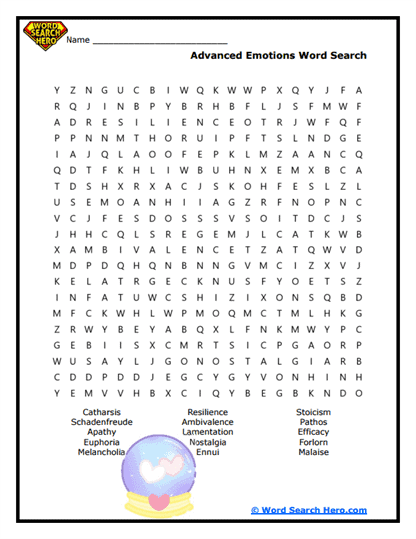
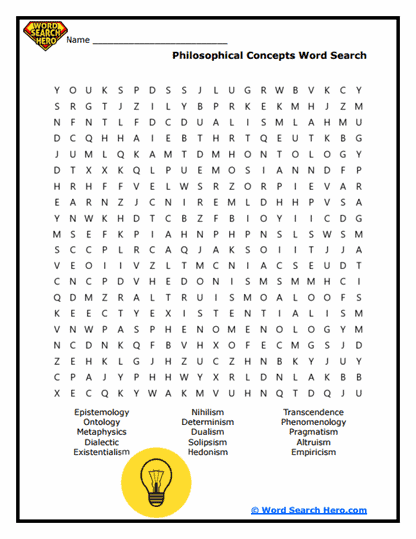
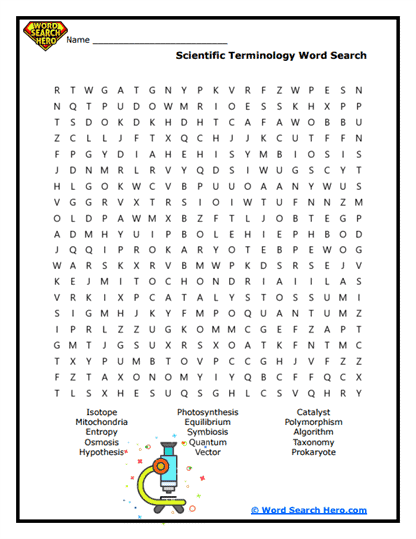
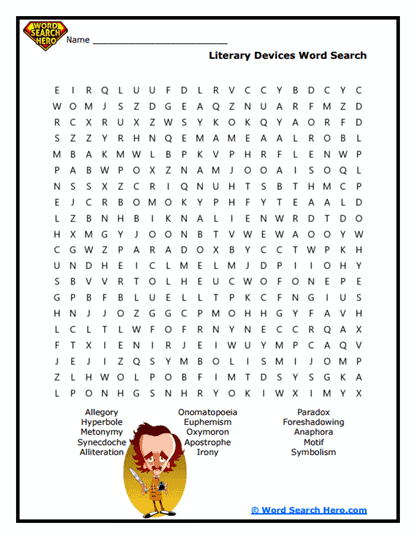
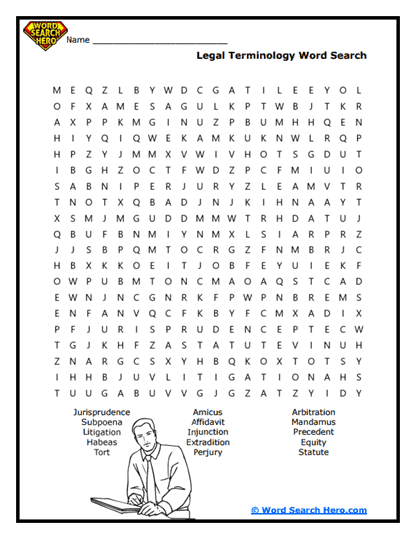
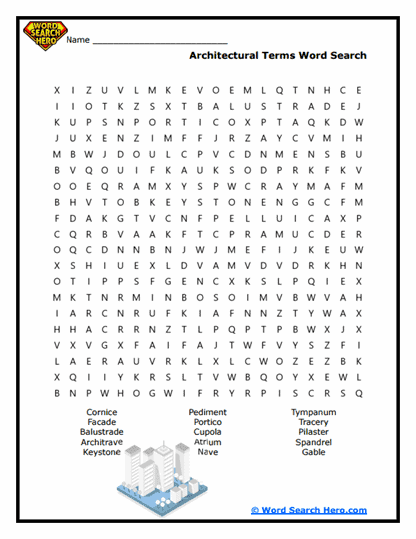
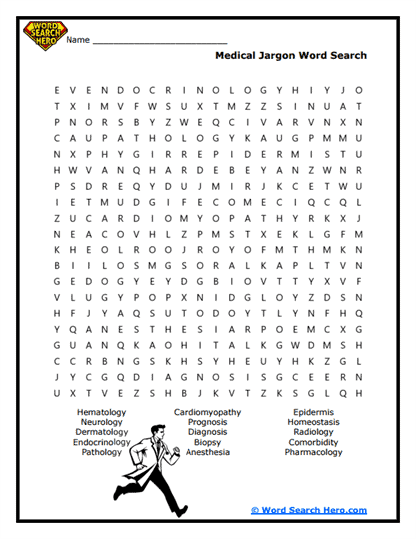
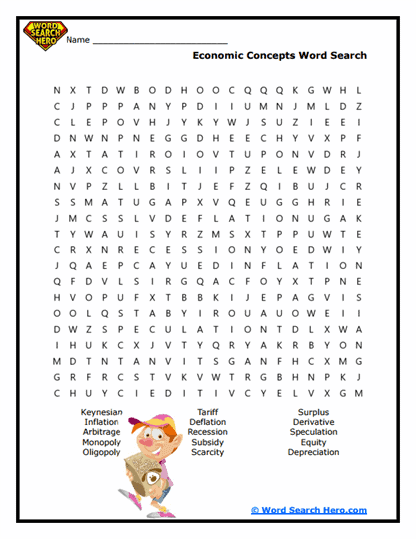
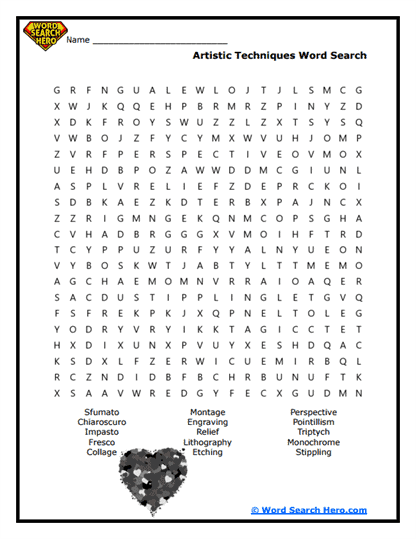
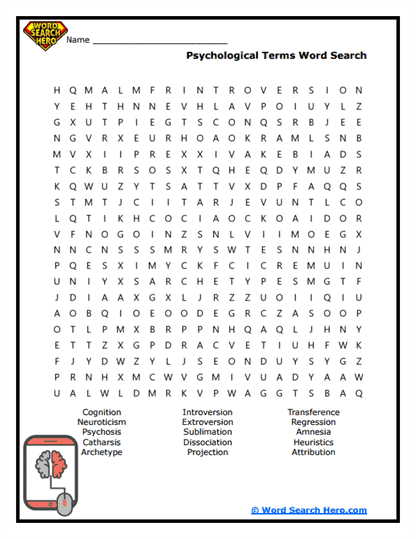
About Our Hard Vocabulary Words Word Searches
Our Hard Vocabulary word search collection is built for learners who are ready for a real challenge. Instead of simple or familiar terms, these puzzles focus on longer, more complex words that push students to slow down, think carefully, and engage more deeply with language.
This makes them especially valuable for older students or advanced readers who have outgrown basic puzzles but still benefit from structured practice. Whether used in the classroom or at home, these puzzles support skills tied to reading comprehension, spelling, and academic vocabulary-all without feeling like traditional work.
Because the words come from subjects like philosophy, science, law, and psychology, students aren’t just practicing language-they’re building familiarity with the kinds of terms they’ll encounter in real academic settings. That crossover makes these puzzles a strong companion to areas like science vocabulary, literary terms, and content-area learning.
Unlocking Big Words: Exploring Word Roots and Origins
One of the most useful shifts students can make with hard vocabulary is this: stop trying to memorize everything-and start breaking words apart.
Many advanced words share common building blocks. Prefixes, roots, and suffixes repeat across subjects, and once students recognize them, even intimidating words become more manageable.
For example:
- spotting -ology often signals “the study of”
- recognizing bio connects to life
- seeing inter– suggests “between”
These patterns show up constantly across subjects like biology, literature, and psychology. Once students start noticing them, they gain a powerful decoding strategy.
Word searches reinforce this in a subtle but effective way. As students scan for long words, they repeatedly see the same chunks appear. That repetition strengthens recognition and helps them process words in parts instead of as overwhelming wholes.
A simple extension: after finishing the puzzle, ask students to pick one word and break it down. What parts do they recognize? What might those parts mean? That quick step turns the puzzle into a real vocabulary-building moment.
Paul’s Pro-Tip
When a word looks intimidating, don’t attack the whole thing-hunt the pieces.
Tell students to look for a familiar chunk first:
- a suffix like -tion or -ment
- a prefix like sub- or trans-
Once they find that anchor, the rest of the word becomes easier to track.
And remind them: long words love to hide diagonally or backwards. I used to tell students they were “trying to escape the puzzle.” That usually gets a smile-and a second look.
The Secret Learning Power Behind Challenging Puzzles
These puzzles might feel like a game, but they deliver serious learning underneath.
When students work through difficult vocabulary, they’re practicing:
- sustained focus
- pattern recognition
- careful visual scanning
- full-word tracking
That combination directly supports stronger reading habits. Instead of guessing or skipping unfamiliar words, students learn to slow down and work through them-an essential skill for reading fluency and comprehension.
There’s also a confidence factor.
At first, long words can feel overwhelming. But when students successfully find and recognize them in a puzzle, those same words start to feel more approachable. That shift-from intimidation to familiarity-is a big step in language development.
For teachers and parents, this makes these puzzles especially useful. They reinforce learning without pressure. Students stay engaged, work independently, and still get meaningful exposure to advanced vocabulary.
Frequently Asked Questions
Are these puzzles actually useful for academic growth, or just for fun?
They’re both-but the academic value is real. Students are exposed to subject-specific vocabulary they’ll encounter in science, literature, and higher-level reading, which helps reduce confusion later on.
What if students don’t know most of the words?
That’s expected-and helpful. The goal isn’t instant mastery, but exposure. Seeing and working with unfamiliar words builds recognition over time and encourages students to ask questions or look up meanings.
How do these puzzles help with reading comprehension?
They train students to slow down and process full words instead of skipping or guessing. That habit carries directly into better understanding when reading more complex texts.
Are these appropriate for middle and high school students?
Yes-this is exactly the audience they’re designed for. The vocabulary level and challenge make them a better fit for students who need more than basic word lists.
What’s the best way to extend the learning after finishing a puzzle?
Keep it simple: have students choose one word, define it, and use it in a sentence. That small step turns recognition into real understanding and helps the word stick.