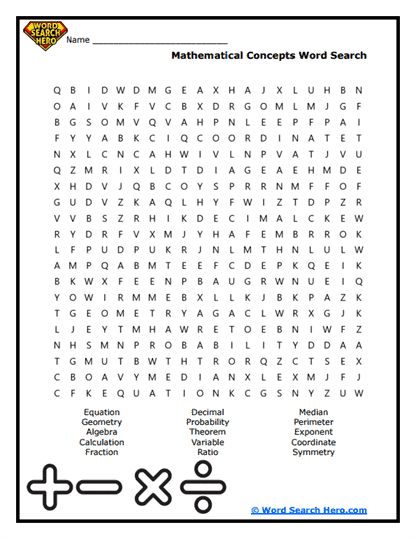
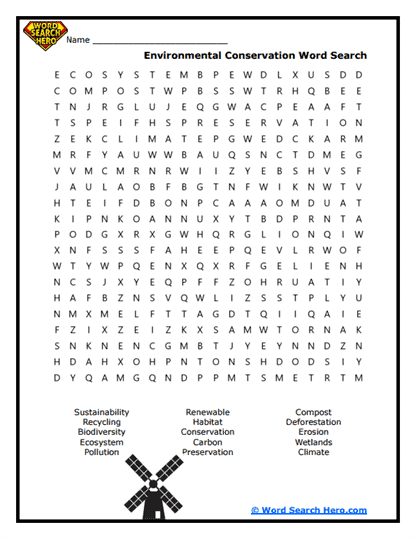
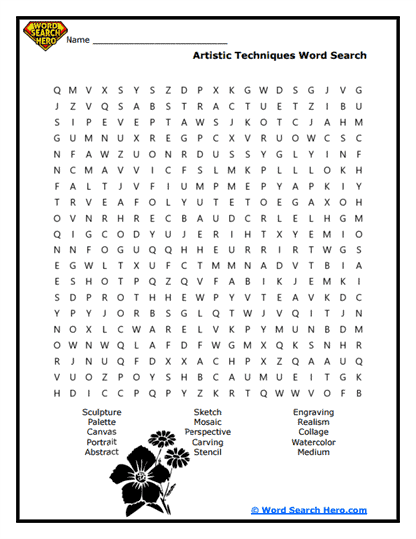
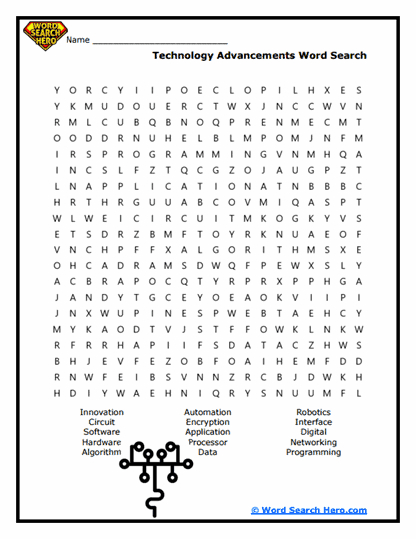
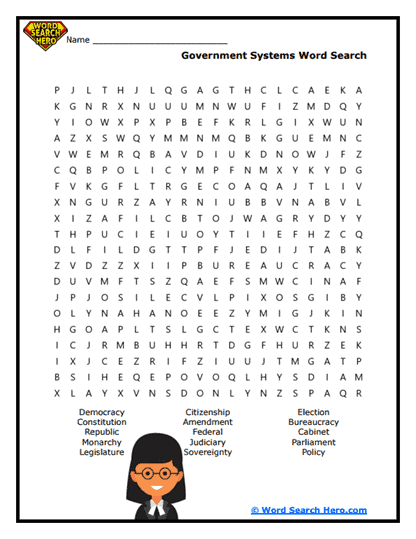
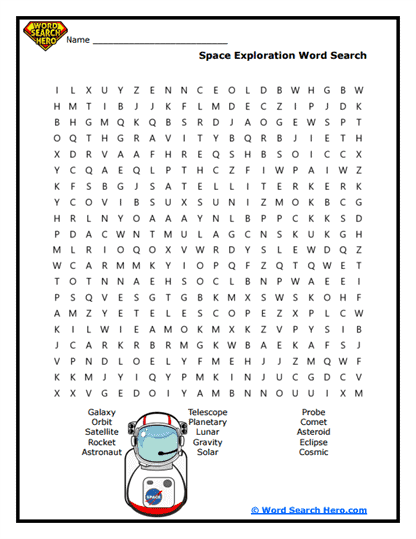
About Our Grade 8 Word Searches
Our Grade 8 word searches are built for students who are stepping into more advanced academic language across multiple subjects. At this level, learners are no longer just working with everyday vocabulary-they’re encountering terms tied to science, history, literature, and even technology. These puzzles reflect that shift by including words that mirror what students see in real classroom materials.
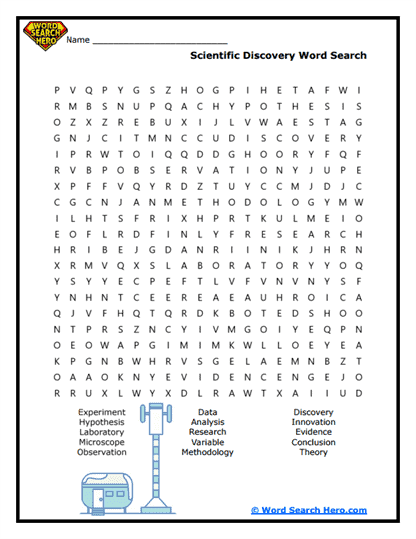
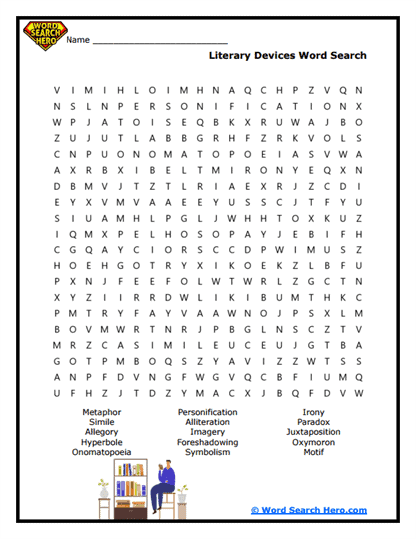
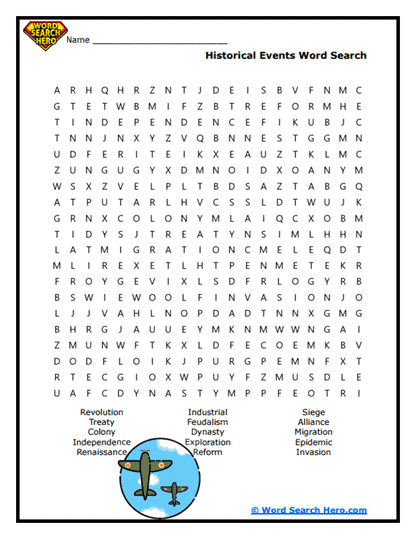
What makes this collection especially useful is how it blends subject-based vocabulary into one engaging activity. A single puzzle might reinforce ideas connected to scientific method concepts, historical movements, or literary techniques, helping students stay familiar with the kinds of words that show up in assignments and discussions. Instead of memorizing isolated lists, students actively search, recognize, and process these terms in context.
For teachers, these puzzles are a flexible tool for review or reinforcement. For parents and homeschoolers, they offer a low-pressure way to revisit academic vocabulary without turning it into a full lesson. Over time, this kind of repeated exposure helps students feel more confident when they encounter similar language in textbooks or essays, especially as they move toward high school level vocabulary expectations.
The Moment Learning Stops Being Isolated by Subject
By Grade 8, learning starts to feel less separated into neat categories. Students begin to notice that the same types of words-and even the same concepts-show up in multiple subjects. A term like “analysis” might appear in a science lab, a history essay, or a literature discussion. These word searches reflect that important shift.
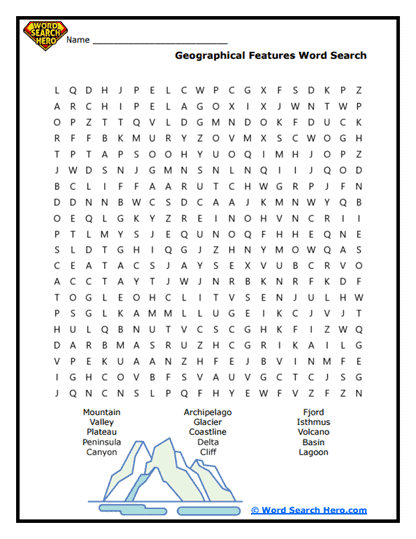
Instead of focusing on just one theme, the puzzles in this collection pull vocabulary from different areas of study. Students might move from identifying geography terms to spotting literary devices, all within the same set of activities. This mirrors how real learning works at this stage, where ideas connect across disciplines rather than staying boxed into one subject.
This kind of exposure helps students become more flexible thinkers. When they recognize a word in multiple contexts, they begin to understand not just what it means, but how it’s used. That deeper familiarity makes it easier to follow complex instructions, participate in discussions, and tackle assignments that require cross-subject thinking.
It also prepares them for the kind of reading they’ll encounter in more advanced materials, where vocabulary isn’t simplified or isolated. Seeing these connections early helps students build confidence and adapt more quickly as academic expectations grow.
Paul’s Pro-Tip
 When working with Grade 8 puzzles, don’t just look for full words-look for word parts.
Encourage students to scan for prefixes like inter, sub, or trans, and suffixes like -tion or -ment. Once they spot one of these pieces, they can often build the rest of the word around it. This approach not only speeds up the puzzle-solving process but also helps students understand how complex academic words are formed.
Simple Group Activities Using Grade 8 Vocabulary Puzzles
These puzzles work especially well when students collaborate, because Grade 8 vocabulary often benefits from discussion and shared thinking.
One simple approach is to have students work in pairs and divide the word list. Each partner searches for half the words, then explains one or two of their words to the other person. This turns a quiet activity into a quick vocabulary review conversation.
Another idea is to turn the puzzle into a small group challenge. Give each group a time limit and ask them to find as many words as possible, then have them choose one word to define or use in a sentence. This works well when reinforcing topics connected to literary terms and devices or subject-specific language from current lessons.
You can also build in a reflection step. After completing the puzzle, ask students which words they recognized right away and which ones were new or confusing. This helps teachers quickly identify vocabulary gaps while encouraging students to think more deeply about what they’re learning.
Even a short discussion after the puzzle can make a big difference. When students talk about the words they found, they move from simple recognition to real understanding.
Frequently Asked Questions
What makes Grade 8 word searches different from lower grade puzzles?
They include longer, more detailed vocabulary that reflects what students actually encounter in middle school classrooms. Instead of simple, everyday words, these puzzles introduce terms tied to subjects like science, history, and literature. That makes them feel more relevant to real academic work while still being approachable.
Are these puzzles useful for preparing students for high school?
Yes, they’re a great bridge into high school-level learning. The vocabulary in these puzzles helps students get comfortable with more formal language and complex word structures before they see them in essays, textbooks, and research assignments. This early exposure can make the transition feel much smoother.
Can teachers use these puzzles for vocabulary review?
Absolutely, and they’re especially useful because they don’t feel like traditional review. Teachers can use them as warm-ups, quick reinforcement after a lesson, or even as part of small group activities. They’re a simple way to revisit important terms without adding extra pressure.
Do Grade 8 puzzles include words with prefixes and suffixes?
Yes, many of the words are built from recognizable prefixes, roots, and suffixes. This gives students a chance to see how longer words are structured and how meaning is built from smaller parts. Over time, this helps improve both spelling and vocabulary understanding.
Are word searches still helpful for older students?
They are, especially when the vocabulary is meaningful and relevant. For older students, word searches shift from being just a fun activity to a useful review tool that reinforces recognition, spelling, and attention to detail. When paired with discussion or follow-up questions, they can support deeper learning as well.