About Our Grade 5 Word Searches
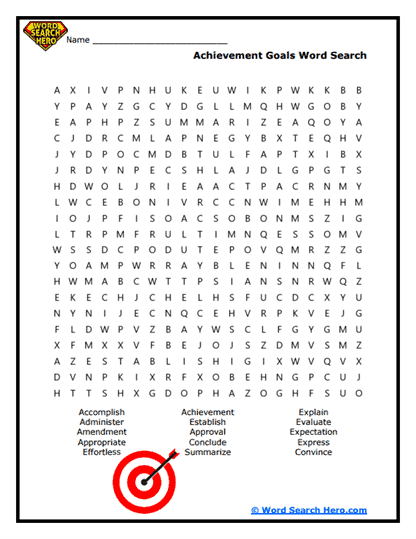
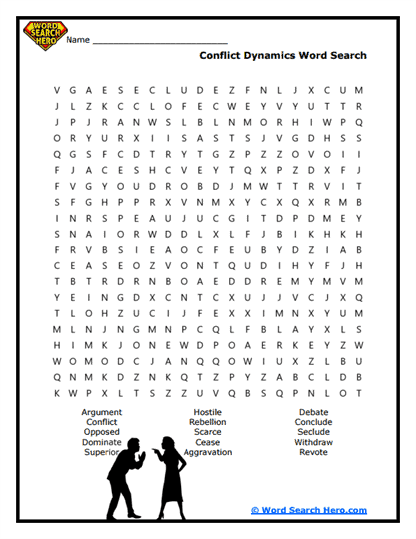
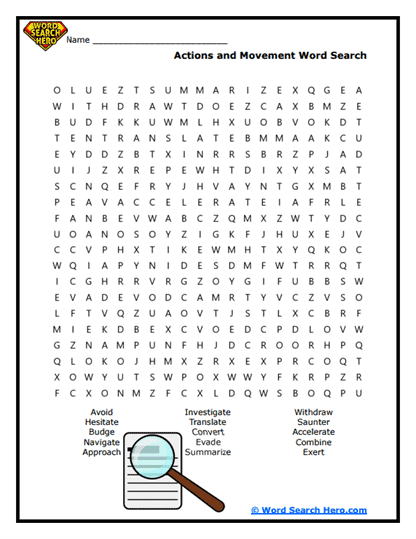
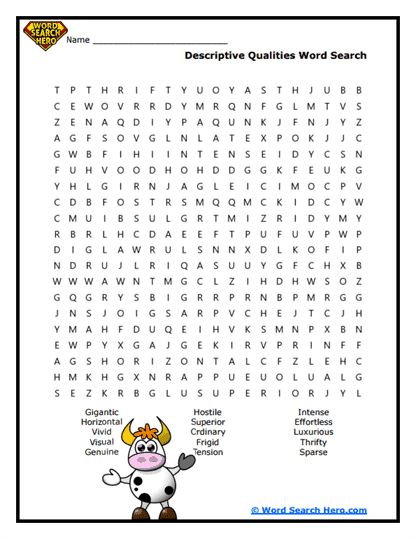
Our Grade 5 word searches are built for students who are moving beyond basic vocabulary and starting to work with more detailed, subject-based language. At this level, learners are seeing longer words tied to science, history, writing, and problem-solving. These puzzles reflect that shift by pulling in terms like “photosynthesis,” “constitution,” and “accelerate” that show up across real classroom topics.
What makes this collection stand out is its range. Students aren’t just practicing one type of word-they’re exploring action verbs, descriptive language, scientific terms, emotional vocabulary, and even geography concepts all in one place. That variety helps reinforce how vocabulary works across different subjects instead of staying stuck in a single category.
For teachers and parents, this creates a flexible tool. You can pair these puzzles with lessons from science based activities or use them to support reading growth alongside grade level literacy practice. For students, it feels less like studying and more like discovery-which is exactly what vocabulary learning should feel like at this stage.
From Simple Words to Academic Language: The Grade 5 Shift
Fifth grade is where vocabulary starts to take on real weight. Students are no longer just naming things-they’re explaining ideas, describing processes, and understanding more abstract concepts. Words like “revolution,” “respiration,” or “expectation” aren’t just bigger-they carry meaning that connects to entire lessons or subjects.
That’s why this type of puzzle matters. It gives students repeated, low-pressure exposure to words they’re likely seeing in textbooks, discussions, and assignments. When a student finds a word like “troposphere” or “diplomat” in a puzzle, it becomes more familiar the next time they encounter it in reading.
There’s also a confidence shift happening here. Longer words can feel intimidating at first, especially when they appear in science or social studies texts. But when students interact with them in a puzzle, those same words become manageable. They start to recognize patterns, chunks, and endings-skills that also support success in areas like prefix and suffix study or understanding multisyllabic vocabulary.
Over time, this builds something bigger than spelling ability. It helps students feel more prepared to engage with complex ideas, which is exactly what upper elementary learning is all about.
Paul’s Pro-Tip

When students reach this level, I always tell them to stop hunting for whole words and start hunting for word pieces.
Look for familiar chunks like “-tion,” “pre-,” or “-ment” hiding in the grid. Once you spot one of those, your brain can often fill in the rest of the word much faster.
It turns a long, intimidating word into something much more manageable-and it’s the same strategy students can use when reading tougher texts, too.
Easy Ways to Stretch These Words Beyond the Grid
Once a student finishes a puzzle, that’s actually the best time to deepen the learning.
Start simple by asking them to pick two or three words they found and use each one in a sentence. This works especially well with descriptive or emotion-based puzzles, where students can connect words to real-life situations. For science-heavy puzzles, you might ask them to explain what a word means or draw a quick diagram to match it.
Another easy strategy is grouping words. Have students sort the words into categories like “science,” “actions,” or “feelings.” This helps them see how vocabulary connects across subjects, which mirrors how they’ll encounter it in school. You can even tie this into other topics like cross-curricular learning themes or expand into related areas like environmental science concepts if the puzzle leans toward nature or geography.
If you want to go one step further, turn the words into a quick writing challenge. Ask students to write a short paragraph or story using at least three of the words they found. It doesn’t need to be perfect-the goal is to help them actively use the vocabulary instead of just recognizing it.
These small extensions don’t take much time, but they make a big difference in helping words stick.
Frequently Asked Questions
What makes a word search appropriate for fifth grade?
A fifth grade puzzle usually includes vocabulary that is longer, more detailed, and more academic than lower-grade puzzles, while still being manageable for upper elementary learners. You’ll often see words tied to real subjects like science or history, which helps students connect what they’re learning in class to what they’re practicing in the puzzle.
Can Grade 5 word searches help with subject-area learning?
Yes, and that’s one of their biggest strengths. These puzzles often include terms from science, social studies, and language arts, giving students extra exposure to the same vocabulary they’ll encounter in lessons, readings, and assignments.
Are these puzzles good for students who already read well?
They are. Even strong readers benefit from seeing academic vocabulary more often, especially when it comes to spelling, word structure, and recognizing longer or more complex terms quickly.
What should students do after finishing the puzzle?
A great next step is choosing one or two words to define, use in a sentence, or connect to something they are learning in class. This helps move the activity from simple recognition to real understanding and usage.
Why do fifth graders still benefit from word searches?
Because the puzzles give students repeated exposure to grade-level vocabulary in a format that strengthens spelling, focus, and confidence without feeling repetitive or overly demanding.