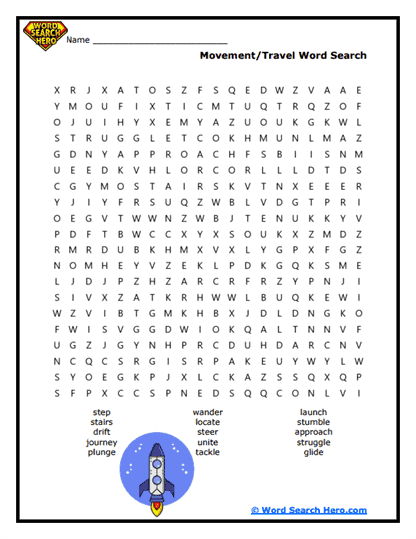
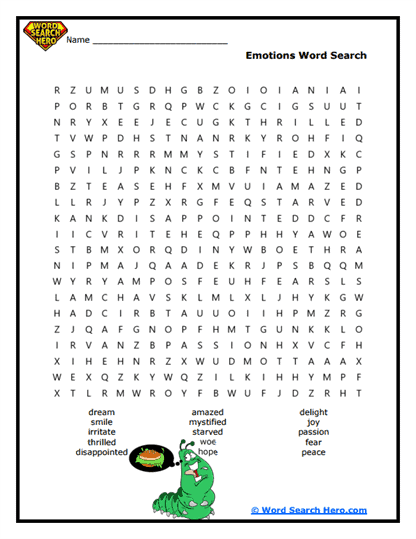
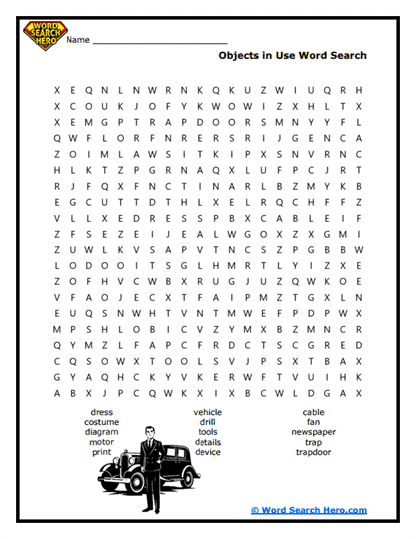
About Our Grade 3 Word Searches
Our Grade 3 word searches are designed for students who are becoming more confident readers and are ready to work with a wider range of vocabulary. At this stage, students are no longer focused only on simple words-they’re beginning to explore language that describes actions, ideas, emotions, and everyday experiences.
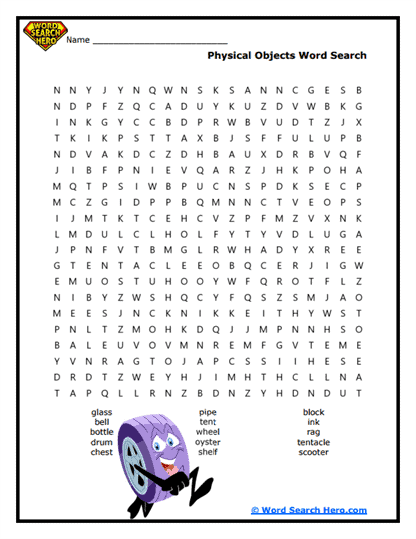
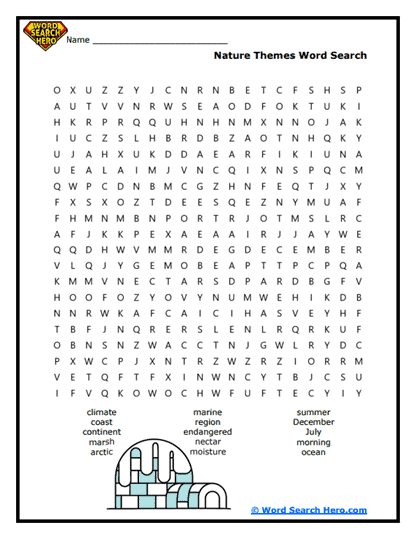
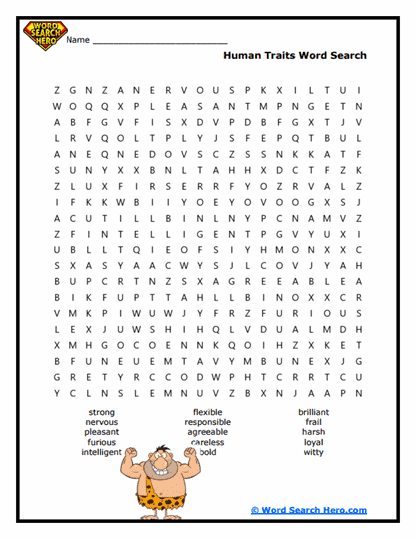
This collection reflects that growth by bringing together different types of words in one place. Students might search for action verbs like “examine” or “prevent,” explore objects they see every day, or discover words that describe feelings and personality traits. There are also puzzles tied to nature, measurement, and communication, helping students connect vocabulary to real-world topics.
For teachers, these puzzles work well alongside elementary reading skills and can support lessons tied to basic science and nature topics. For parents and homeschoolers, they offer an easy way to reinforce grade-level vocabulary in a format that feels engaging instead of repetitive.
Why Third Grade Is a Big Step for Word Understanding
Third grade is often when students move from learning how to read into using reading to learn new ideas. That shift means vocabulary starts to play a much bigger role in how they understand the world.
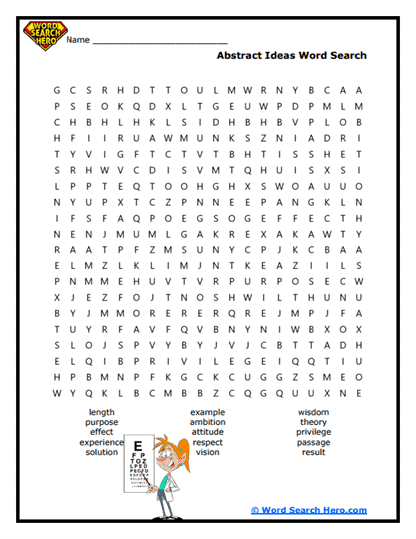
In this collection, you can see that change clearly. Students aren’t just finding simple nouns anymore-they’re working with words like “purpose,” “respect,” and “vision,” which represent ideas rather than objects. At the same time, they’re still building strong foundations with action words, everyday objects, and descriptive terms.
This mix is important because it helps students grow in multiple directions at once. Action words support writing and storytelling. Emotion and character words help with communication and social understanding. Measurement and nature vocabulary support learning in subjects like math and science.
These puzzles also help students feel more comfortable with longer and slightly more complex words. When a word appears in a puzzle, students interact with it more than once-they scan for it, check the spelling, and confirm the pattern when they find it. That repetition makes the word feel more familiar the next time it shows up in reading.
Over time, this helps students build confidence not just in recognizing words, but in understanding and using them. It also supports skills that connect to areas like building vocabulary foundations and understanding word meanings and relationships.
Paul’s Pro-Tip
 When tackling a larger puzzle, try searching for the longest words first.
Longer words tend to stand out more because their letter patterns are easier to spot in the grid. Once you find those bigger words, the puzzle becomes less crowded, and the smaller ones are easier to track down.
It’s a simple strategy, but it helps students stay focused and build momentum as they solve.
Easy Activities That Help These Words Stick
Once the puzzle is finished, that’s the perfect time to help the vocabulary really stick.
One easy activity is to ask students to pick two or three words and use them in a sentence. This works especially well with action words and communication words, where students can describe something they’ve done or explain an idea in their own way.
Another simple option is sorting. Have students group the words into categories like “actions,” “feelings,” “objects,” or “nature.” This helps them see how words are connected and builds a stronger understanding of meaning. It also ties into skills like early language development and exploring word groupings and categories.
You can also turn the puzzle into a quick speaking activity. Ask students to explain what one of the words means or give an example from their own life. This builds confidence and helps them practice using new vocabulary out loud.
For a creative twist, try a short writing challenge. Have students write a few sentences or a mini story using three of the words they found. It doesn’t need to be perfect-the goal is to help them actively use the vocabulary instead of just recognizing it.
These small steps take only a few minutes, but they make a big difference in helping students remember and apply what they’ve learned.
Frequently Asked Questions
What reading level are Grade 3 word searches designed for?
These puzzles use vocabulary that generally aligns with the reading ability of third grade students, including a mix of familiar words and slightly more challenging terms that support growth.
Do Grade 3 puzzles include longer words?
Yes. Compared to earlier grades, these puzzles often include longer and slightly more complex vocabulary, helping students build confidence with multi-syllable words.
Can these puzzles support classroom vocabulary lessons?
They work very well as reinforcement activities. Teachers can use them alongside reading assignments or vocabulary lists to give students extra exposure to important words.
Are Grade 3 word searches good for independent learning?
Many third graders can complete these puzzles on their own, making them a great option for quiet practice, centers, or early-finisher activities.
Do these puzzles help improve reading fluency?
Yes. Repeated exposure to grade-level vocabulary helps students recognize words more quickly, which supports smoother and more confident reading over time.