About Our Grade 11 Word Searches
Our Grade 11 Word Searches are made for students who are working with more advanced ideas and stronger academic language. At this level, vocabulary is not just about knowing words-it’s about understanding meaning, making connections, and explaining ideas clearly.
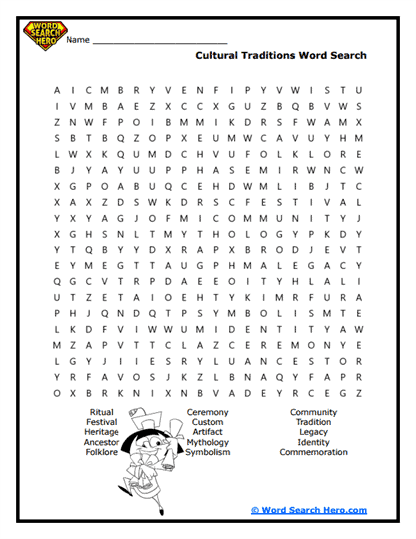
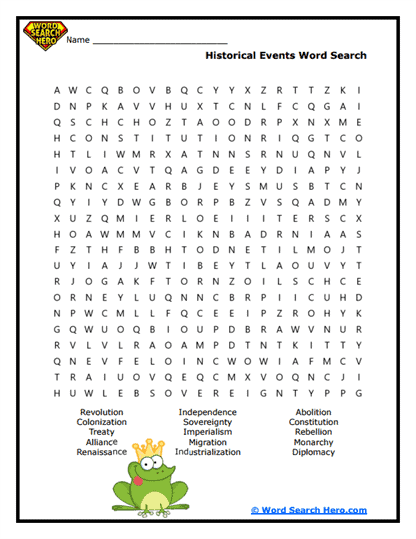
These puzzles include topics like emotions, critical thinking, science, history, and storytelling. Students will see words they often use in essays, class discussions, and deeper reading. This helps them feel more confident when working with complex material.
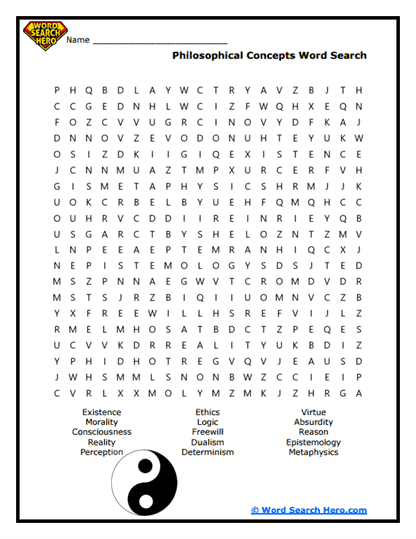
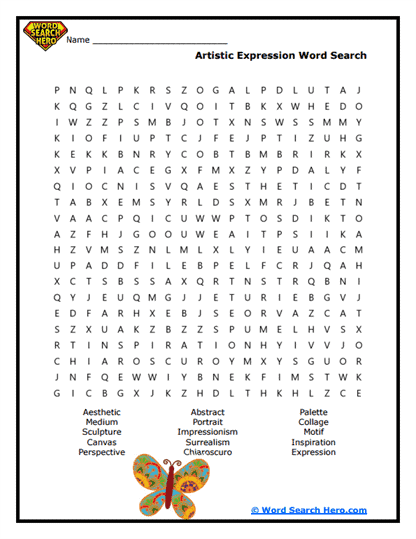
Each puzzle connects to real subjects students study in school. Some focus on writing and rhetoric, while others explore science, philosophy, or culture. This makes them a great fit for lessons tied to literary analysis and storytelling themes or activities that build understanding of scientific vocabulary and experimentation concepts.
Because the words are more advanced, these puzzles feel meaningful and age-appropriate. They give students a way to practice important vocabulary without feeling like extra homework.
Why Grade 11 Vocabulary Is All About Deeper Understanding
By Grade 11, students are expected to go beyond simple definitions. They need to understand how words work in context and how they help explain ideas.
Many of the words in these puzzles-like “analyze,” “deduce,” “metaphor,” and “epistemology”-are used when thinking deeply about a topic. These are the kinds of words students use when writing essays, breaking down texts, or discussing big ideas.
Another key part of this stage is understanding nuance. Words can have layers of meaning depending on how they are used. For example, a word like “justice” might appear in literature, history, or philosophy, but its meaning can shift in each case.
These puzzles help students get more comfortable with that complexity. When they recognize these words quickly, they can focus more on understanding ideas instead of getting stuck on vocabulary. This is especially useful when exploring topics like rhetorical devices and persuasive language or thinking through ideas in philosophy and abstract reasoning concepts.
Paul’s Pro-Tip
 Look for word “families” inside the puzzle.
In Grade 11 puzzles, many words share common roots or endings. For example, words related to thinking might include “analyze,” “synthesize,” or “deduce,” while science words might share patterns like “-ology” or “-scope.”
Instead of searching for each word one at a time, scan the grid for these shared patterns. When you find one, it can lead you to several related words at once.
This works especially well in themed puzzles like rhetoric, science, or philosophy, where many words are built in similar ways.
Turn Puzzle Words Into Short Analytical Responses
These puzzles can easily turn into quick writing practice.
After finishing a puzzle, have students choose 2-3 words and use them in a short response. For example, they might explain how a theme like “betrayal” appears in a story or describe how a “hypothesis” works in an experiment.
Another idea is to ask students to connect two words together. For example, they could explain how “analyze” and “evidence” work together in writing, or how “culture” and “tradition” relate in history. This helps build deeper understanding.
You can also have students define a word in their own words, then give a real example. This step helps move from recognition to true understanding.
These small writing tasks help students practice using vocabulary in meaningful ways, which is an important skill for essays, discussions, and advanced learning.
Frequently Asked Questions
What kinds of topics are included in Grade 11 word searches?
These puzzles cover advanced topics like emotional vocabulary, critical thinking, rhetoric, science, culture, history, and storytelling themes. The words reflect what students are learning in upper-level classes.
Do these puzzles help with understanding literary and rhetorical terms?
Yes, they do. Many puzzles include words like metaphor, theme, and juxtaposition, which are commonly used when analyzing literature and writing.
Are these useful for science and medical vocabulary practice?
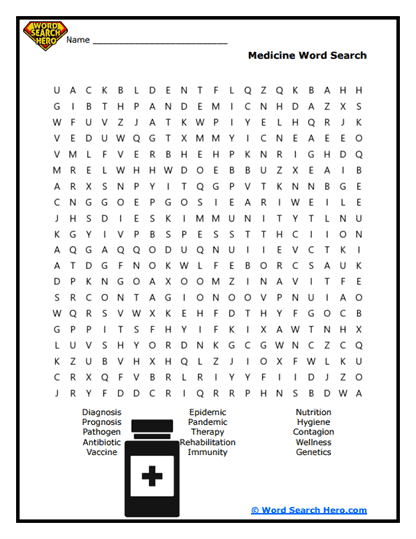
They can be very helpful. Students work with words like hypothesis, experiment, genetics, and diagnosis, which appear often in science and health-related courses.
Can these puzzles support deeper thinking and analysis skills?
Yes. The vocabulary encourages students to think about meaning, connections, and context, which are key parts of analytical thinking.
How are these different from Grade 12 word searches?
Grade 11 puzzles focus on building strong analytical understanding, while Grade 12 often pushes further into precision and real-world application. Both are advanced, but Grade 11 is more about developing those deeper thinking skills.