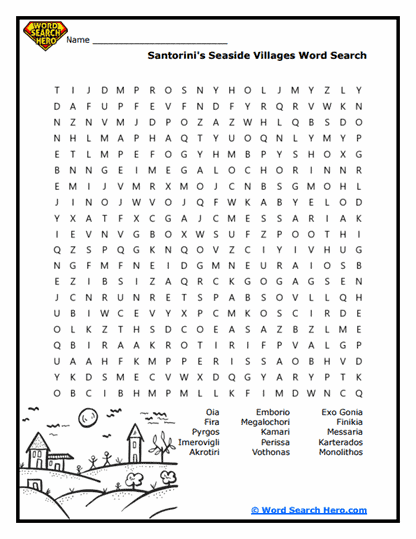
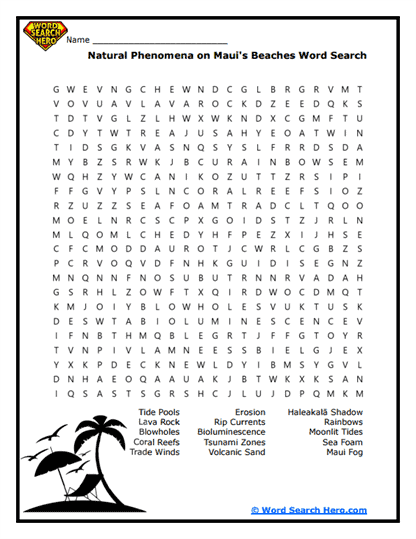
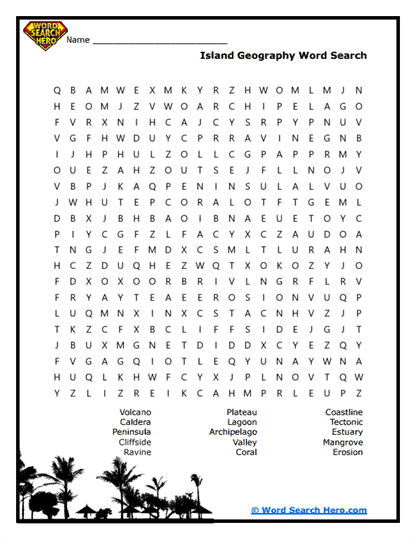
About Our Island Word Searches
Island word searches are a fun and engaging way to explore some of the most fascinating landforms on Earth. From tropical paradises to remote volcanic outposts, these printable puzzles introduce learners to the geography, vocabulary, and natural features that make islands unique. Whether you’re a teacher planning a geography unit or a parent looking for an educational activity, these puzzles provide a hands-on way to build curiosity about the world.
Students benefit from strengthening their vocabulary as they encounter terms like “archipelago,” “lagoon,” and “coral reef.” At the same time, they practice focus, pattern recognition, and reading skills in a low-pressure, enjoyable format. These puzzles can be used as independent work, small group activities, or even as a warm-up before diving into lessons about continents, oceans, and ecosystems.
Island-themed puzzles are also perfect for connecting physical geography with cultural learning. Many islands have rich histories and unique communities, giving educators the opportunity to expand discussions beyond just landforms. You might find students asking where a specific island is located or what life is like there-those are exactly the kinds of questions that deepen learning.
With a variety of difficulty levels, these printables are flexible enough for elementary through middle school learners. They’re easy to print, simple to use, and a great way to bring a little adventure into your classroom or homeschool routine.
Mapping the World’s Hidden Gems Through Play
Islands have always captured the imagination-tiny dots on a map that hold entire ecosystems, cultures, and histories. Using island-themed word searches is a clever way to introduce students to global geography without overwhelming them. Instead of memorizing lists, learners naturally absorb names and concepts as they hunt for words like “Hawaii,” “Madagascar,” or “Galápagos.”
This activity can easily turn into a mini geography lesson. After completing a puzzle, encourage students to locate a few of the islands on a map or globe. This helps reinforce spatial awareness and builds connections between vocabulary and real-world locations. You can even assign a “mystery island” for students to research, turning a simple puzzle into a deeper exploration project.
Teachers often find that these types of activities spark questions about climate, wildlife, and human settlement. Why are some islands volcanic? How do animals get there? Why do people live on islands far from the mainland? These natural curiosities can guide meaningful classroom discussions.
Island word searches also support different learning styles. Visual learners benefit from scanning patterns, while kinesthetic learners enjoy the hands-on aspect of circling or highlighting words. It’s a quiet, focused activity that still feels like a game-making it a great addition to any lesson plan.
Paul’s Pro-Tip

If you really want students to get the most out of an island word search, don’t let it stop at just finding the words. I always had my students pick three words they found-especially ones like “archipelago” or “atoll”-and use them in a sentence or quick explanation. This forces them to move from recognition to understanding, which is where the real learning happens. You can even have them sketch what the word represents, like drawing a chain of islands or a ring-shaped coral reef.
Another trick I swear by is turning the puzzle into a “pattern hunt.” Encourage students to look for common prefixes or endings like “-land” or repeated vowels. This builds decoding skills and makes larger or unfamiliar words less intimidating. And if you want to add a challenge, time them once they’ve practiced-then let them beat their own record. You’d be amazed how quickly focus and confidence improve when students treat it like a personal challenge instead of just another worksheet.
Create-Your-Own Island Challenge
One of the most engaging ways to extend an island-themed word search is by inviting students to design their own island. After completing the puzzle, they already have a bank of vocabulary to draw from, which makes this activity both creative and educational. Students can name their island, describe its location, and decide what natural features it includes, such as volcanoes, beaches, or dense forests.
This activity helps reinforce geographic concepts in a hands-on way. When students choose features like coral reefs or mountain ranges, they begin to understand how different island types are formed. You can guide them to think about climate, wildlife, and even how people might live there. Would their island be remote and uninhabited, or a bustling tourist destination?
For an added layer, have students present their island to the class or family. They can explain why they chose certain features and how their island compares to real-world examples. This builds communication skills while deepening their understanding of the topic.
In homeschool settings, this can easily turn into a mini unit study. Pair the activity with a map exercise or a short video about real islands to create a well-rounded learning experience. It’s a simple way to transform a word search into something much more meaningful and memorable.
Frequently Asked Questions
What types of island vocabulary are typically included in these word searches?
Island word searches often include a mix of geographic terms and real-world place names. You’ll commonly see words like “archipelago,” “lagoon,” “islet,” and “volcano,” along with famous islands such as Hawaii or Iceland. This combination helps learners connect vocabulary with actual locations. It also makes the activity more engaging because students recognize some words while discovering new ones.
How can I use island word searches to teach geography more effectively?
Start by using the puzzle as an introduction to a lesson, then build on it with map work or short research tasks. After students find the words, ask them to locate a few islands on a globe or explain what certain terms mean. This reinforces both vocabulary and spatial understanding. It turns a simple activity into a more complete learning experience.
Are island word searches helpful for understanding different types of islands?
Yes, they can introduce students to different island types through key vocabulary. Words like “atoll,” “barrier island,” and “volcanic island” often appear and spark curiosity. Teachers and parents can expand on these terms with quick explanations or visuals. Over time, students begin to recognize how islands form and differ from one another.
How do these puzzles support homeschool learning about landforms?
They provide a structured yet flexible way to explore geography at home. Parents can use them as independent work, discussion starters, or part of a themed lesson. Because they’re printable and easy to use, they fit into almost any schedule. They also help reinforce learning without requiring extensive preparation.
What’s the best way to make island word searches more interactive?
Try pairing the puzzle with a follow-up activity like drawing or storytelling. For example, students can create their own island using words they found in the puzzle. You can also turn it into a group activity by having learners compare answers or share interesting facts. Adding these layers keeps engagement high and deepens understanding.