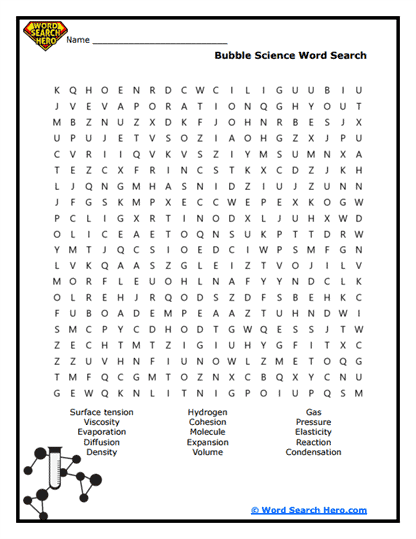
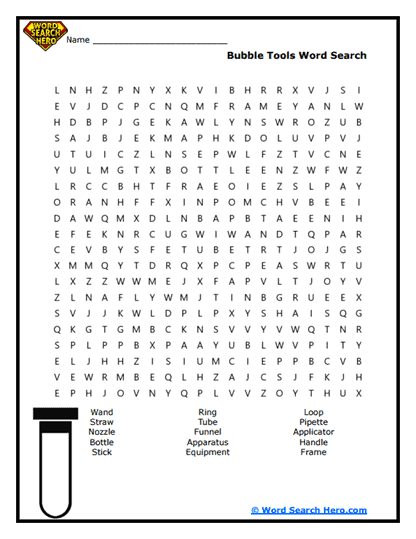
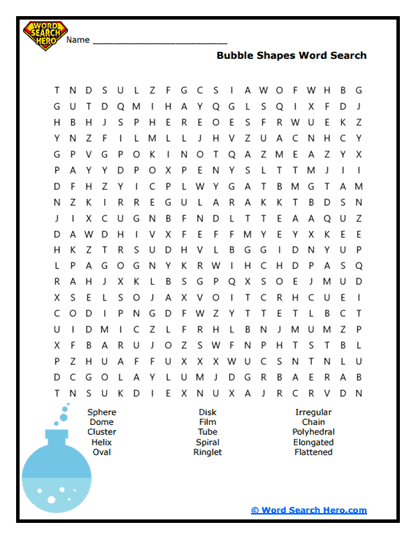
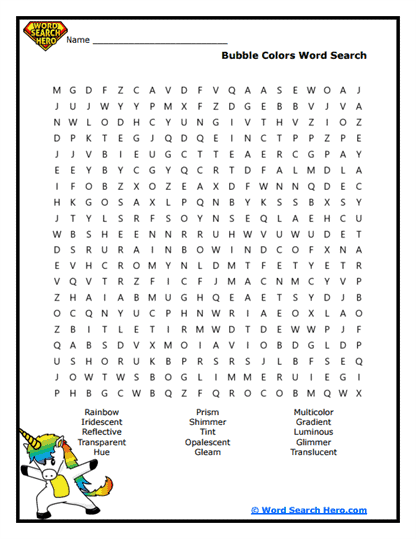
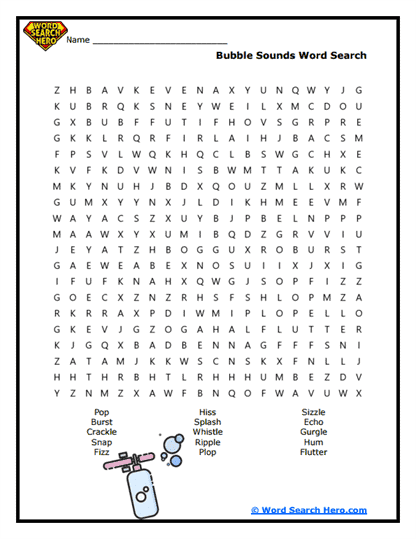
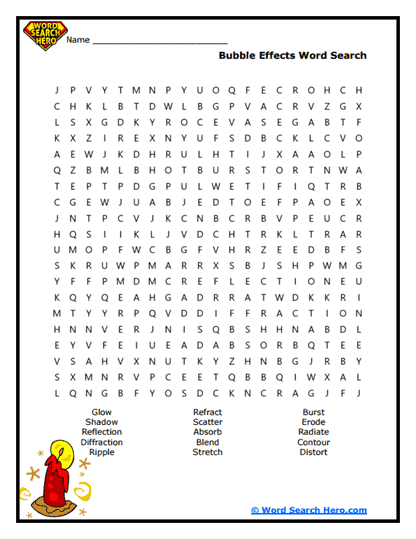
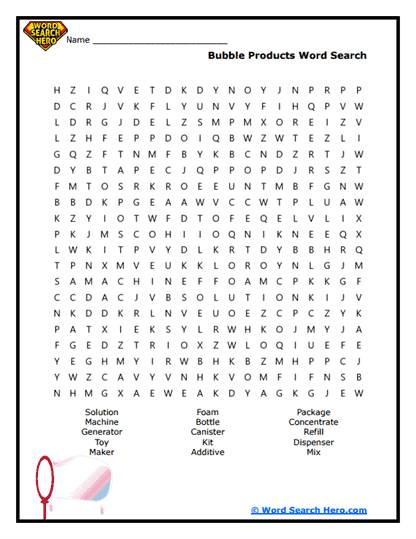
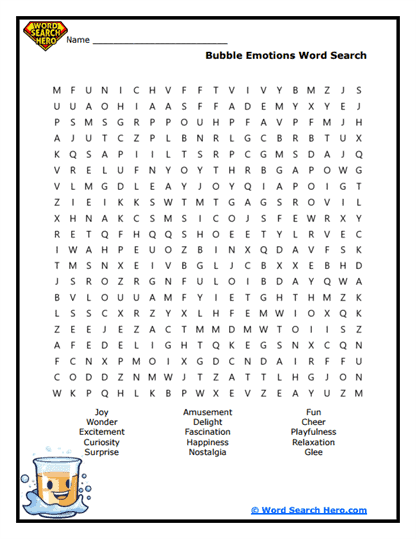
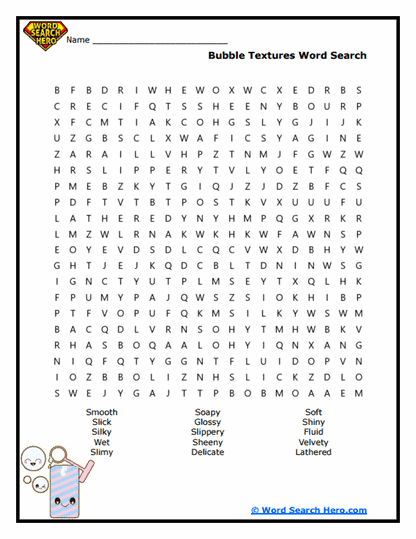
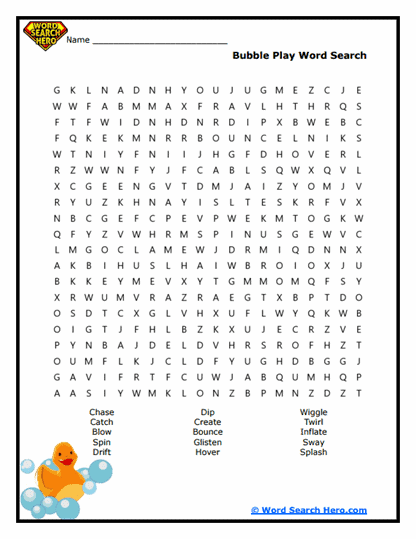
About Our Blowing Bubbles Word Searches
Our Blowing Bubbles Word Searches capture the playful joy of watching bubbles float through the air while providing a fun and engaging puzzle activity. These printable puzzles feature vocabulary connected to bubbles, outdoor play, soap solutions, and the lighthearted fun that comes with this simple activity. Teachers, parents, and homeschool educators often enjoy using themed puzzles like these because they combine playful topics with meaningful vocabulary and reading practice.
As participants search through the puzzle grid for hidden words, they strengthen important literacy skills such as spelling recognition, visual scanning, and pattern identification. Word searches encourage learners to carefully scan rows, columns, and diagonals while locating each word. Even though the activity feels like a game, it quietly reinforces reading fluency, concentration, and attention to detail.
The bubble theme is especially engaging because it connects to a classic activity many children enjoy outdoors. Words related to wands, soap, floating, and popping often remind learners of warm afternoons spent blowing bubbles in the yard or at the park. This familiarity makes the puzzles feel fun and approachable while reinforcing vocabulary recognition.
Teachers often include bubble-themed puzzles as warm-up activities, early finisher tasks, or quiet brain breaks during the school day. Parents and homeschool families also appreciate how easy these puzzles are to print and use during independent learning time or before heading outside to play.
By combining playful vocabulary with an engaging puzzle format, blowing bubbles word searches create a cheerful activity that supports reading skills while celebrating simple outdoor fun.
The Science and Fun Behind Bubbles
Bubbles may seem simple, but they actually involve interesting science and observation. When soap and water mix together, they form a thin film that traps air and creates a floating bubble. The colors and shapes seen in bubbles come from light reflecting off the thin soap surface.
Common bubble-related words might include soap, wand, float, pop, shimmer, and air. As participants search for these words within the puzzle grid, they practice recognizing spelling patterns and strengthening word recognition skills. Repeated exposure to these terms helps reinforce vocabulary in a fun and memorable way.
Teachers sometimes connect bubble activities with simple science lessons. Students can learn about air pressure, surface tension, and how different shapes of bubble wands create different bubble patterns. Recognizing bubble vocabulary in puzzles can help reinforce what they learn during these lessons.
Another advantage of bubble-themed puzzles is how easily they inspire curiosity. After completing the puzzle, students often enjoy talking about how bubbles float, why they pop, or how to make the biggest bubble possible.
By exploring bubble-related vocabulary through puzzles, learners strengthen language skills while discovering the playful science behind bubbles.
Paul’s Pro-Tip
Blowing bubbles word searches are great before an outdoor activity. I like to challenge students to find a few bubble-related words before we step outside.
Once they find them, I ask them to watch how bubbles move through the air and what happens when they land. Suddenly everyone is paying attention to floating bubbles like tiny science experiments.
Turning Bubble Puzzles Into Playful Learning
Blowing bubbles word searches can easily lead to hands-on learning and playful exploration. After completing the puzzle, teachers can invite students to choose one bubble-related word they discovered and describe what happens during that part of the activity.
For example, a student who finds the word wand might explain how dipping a bubble wand into soap solution creates bubbles when air passes through the loop. Another learner who spots the word float might talk about how bubbles drift through the air before popping.
Another engaging extension is a bubble experiment challenge. Students can try making bubbles with different wand shapes or blowing gently versus strongly to see what changes. They might also experiment with making larger or smaller bubbles.
Families can also connect puzzles with outdoor fun at home. After finishing the word search, children might head outside to blow bubbles and observe how they move, shine in the sunlight, and pop when they touch surfaces.
By linking puzzles with playful experimentation, educators and parents transform a simple word search into an activity that encourages curiosity, observation, and joyful outdoor play.
Frequently Asked Questions
How can teachers use blowing bubbles word searches in the classroom?
Teachers often use these puzzles as warm-up activities, early finisher tasks, or short brain breaks during the school day. Because the theme connects to simple science and outdoor play, the puzzles can also lead into discussions about bubbles and basic physics.
Are blowing bubbles word searches helpful for homeschool learning?
Yes, they work very well in homeschool environments because they combine vocabulary practice with playful science exploration. Parents can print a puzzle and then follow it with bubble experiments or outdoor bubble play.
Do word searches help students build vocabulary?
Word searches reinforce vocabulary by repeatedly exposing learners to words in a visual format. As students scan the puzzle grid and recognize spelling patterns, they strengthen word recognition skills that support reading comprehension.
What age groups enjoy blowing bubbles word searches the most?
Younger elementary students often enjoy these puzzles the most because the theme connects to playful outdoor activities. However, older learners and adults who enjoy relaxing puzzles can also find them fun and engaging.
Can these puzzles encourage curiosity about simple science?
Absolutely. When learners discover words related to bubbles and air, it often sparks curiosity about how bubbles form and why they float. The puzzle can become a starting point for simple science experiments and observation activities.