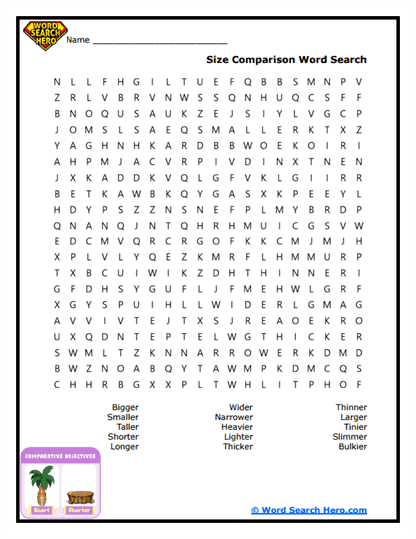
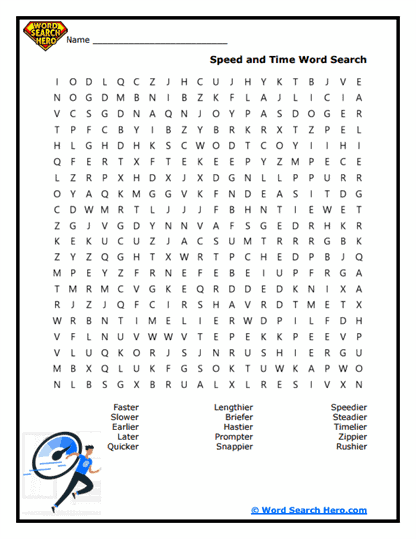
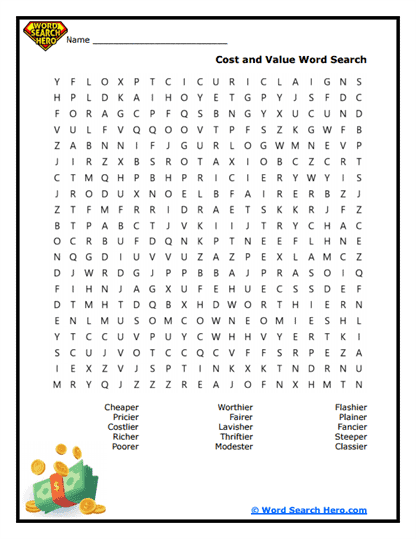
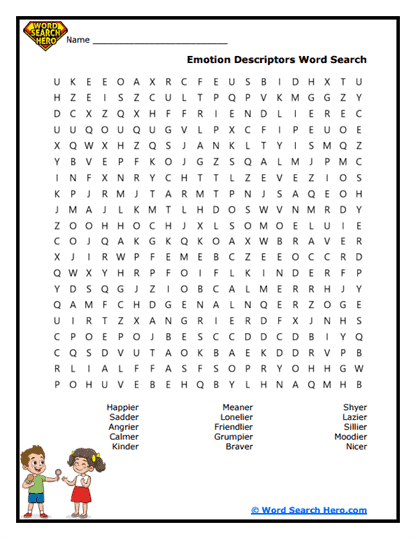
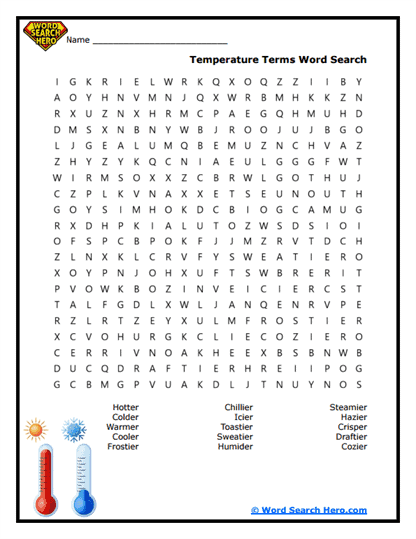
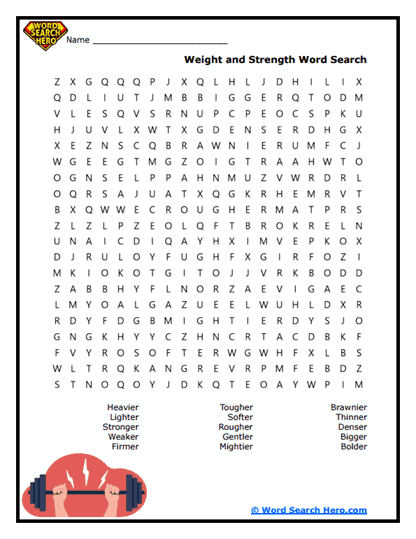
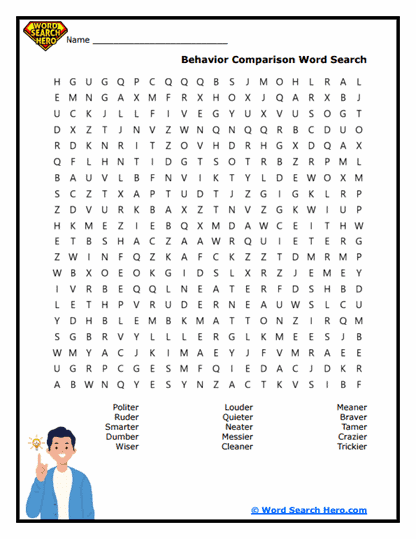
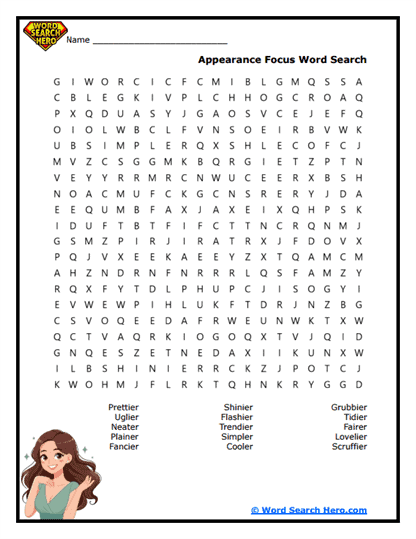
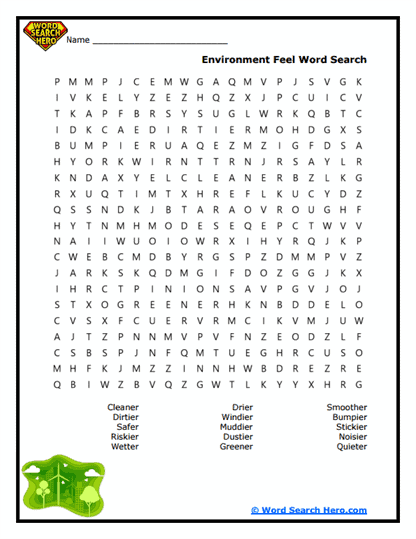
About Our Comparative Adjectives Word Searches
Our Comparative Adjectives Word Searches focus on a special group of descriptive words used to compare two things. These puzzles highlight comparative adjective vocabulary so learners can practice recognizing how language changes when we describe differences between people, objects, or ideas.
In English grammar, comparative adjectives help show that one thing has more or less of a quality than another. Words like taller, faster, smarter, and stronger allow speakers and writers to clearly compare two things. These forms are extremely common in everyday conversation and writing, which makes them an important part of grammar study.
These word searches turn that grammar concept into an interactive puzzle. Instead of only learning the rule for adding -er or using words like more, students search for the comparative forms themselves. This repeated exposure helps reinforce spelling patterns and strengthens vocabulary recognition.
Teachers often use comparative adjective puzzles during grammar lessons, writing practice, literacy centers, or review activities. Parents and homeschool educators also find them helpful because they provide a quick and engaging way to reinforce comparison language at home.
By solving these puzzles, learners become more comfortable with the grammar structures used when comparing things in English.
How Comparative Adjectives Work
Comparative adjectives are used when we compare two things. They help answer questions like: Which one is bigger? Which one is faster? Which one is easier?
In many cases, comparatives are formed by adding -er to the end of a short adjective. For example:
- tall → taller
- fast → faster
- small → smaller
For longer adjectives, English often uses more before the word instead of adding -er. Examples include:
- careful → more careful
- interesting → more interesting
- beautiful → more beautiful
These grammar patterns appear frequently in both speech and writing because people often compare things in everyday life. Students might compare animals, weather, sports results, school subjects, or favorite foods.
Comparative adjective word searches help learners become familiar with these forms by encouraging them to focus on the comparative versions themselves. When students repeatedly see words like bigger, lighter, or quieter, they begin to recognize how adjectives change when making comparisons.
Teachers can extend the activity by asking students to identify the base adjective for each comparative word or by having learners write a sentence comparing two objects.
Paul’s Pro-Tip
When solving a comparative adjective puzzle, look for the -er endings first.
Many comparative adjectives follow this pattern, and those two letters can stand out quickly in the puzzle grid. Once you spot the -er, check the letters before it to see if they form one of the words on the list.
It’s a fast way to narrow down where the word might be hiding.
Why Comparative Adjective Word Searches Are Helpful
Comparative adjective word searches support several important grammar and language skills.
One key benefit is grammar pattern recognition. Students learn to notice how adjectives change form when they are used to compare two things.
Another advantage is spelling awareness. Searching for comparative adjectives reinforces the letter patterns used when forming these words.
These puzzles also strengthen vocabulary development. Learners become more familiar with descriptive language that helps them make clearer comparisons in both speech and writing.
Word searches also encourage visual scanning and attention to detail, as students carefully examine the puzzle grid while matching letter patterns to the words they are searching for.
Because the activity combines grammar learning with puzzle-solving, it helps students stay engaged while reinforcing useful language structures.
Frequently Asked Questions
What is a comparative adjective?
A comparative adjective is used to compare two things and show that one has more or less of a quality than the other.
How are comparative adjectives usually formed?
Short adjectives often add -er (such as taller or faster), while longer adjectives often use more before the word (such as more interesting).
Why are comparative adjectives important?
They help speakers and writers clearly compare two people, places, objects, or ideas.
Are comparative adjective word searches useful for grammar lessons?
Yes. They reinforce the vocabulary and spelling patterns used when forming comparisons.
What is a good follow-up activity after finishing the puzzle?
Students can write sentences comparing two things using several of the comparative adjectives they found in the puzzle.