About Our Word Searches By Difficulty
Not all word searches are created to be quick and easy. If you’re looking for something that actually makes you slow down and think, this collection is built for that.
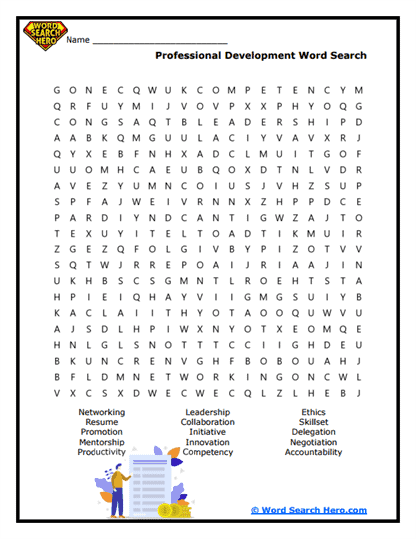
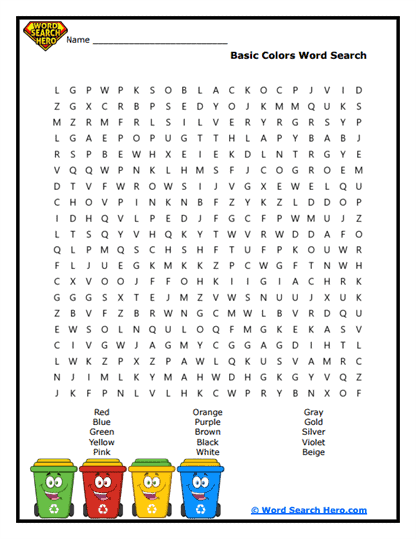
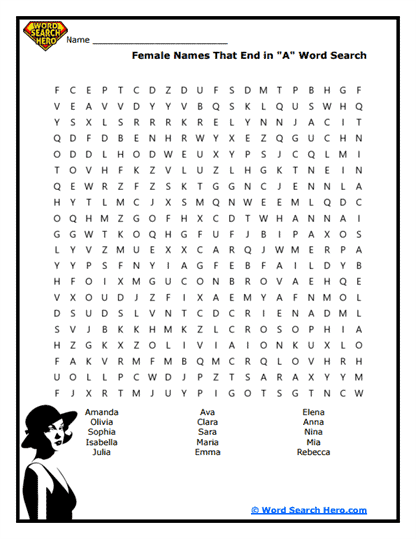
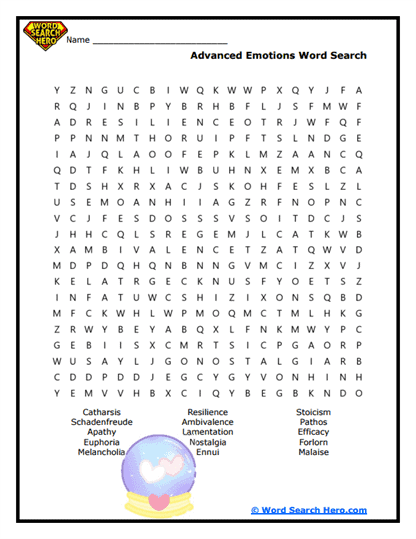
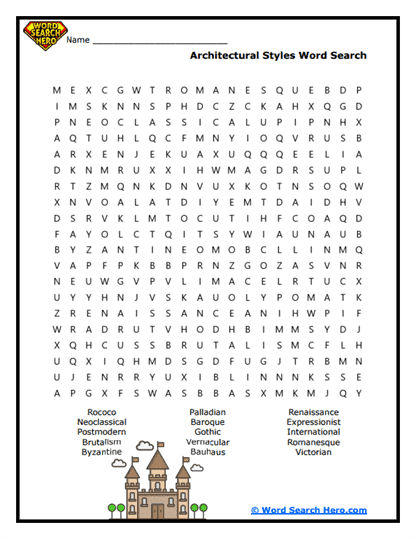
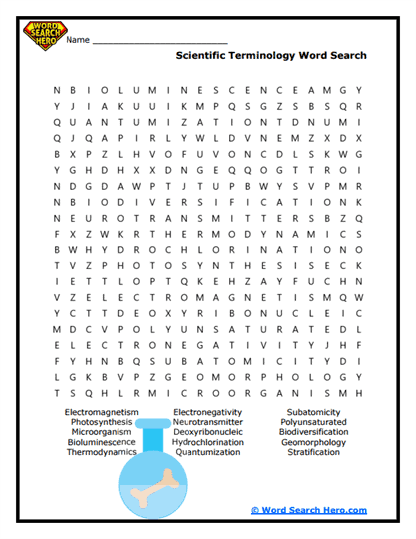
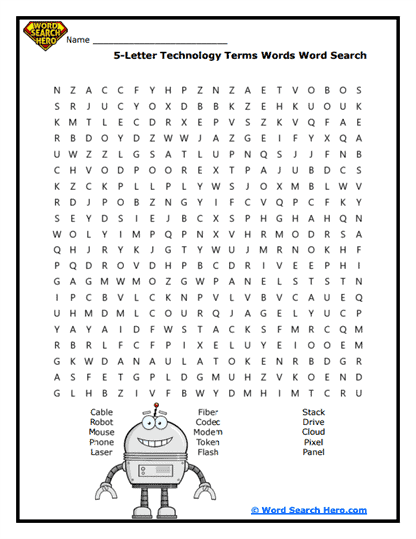
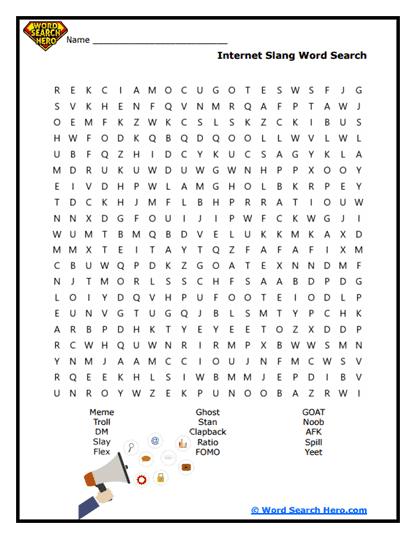
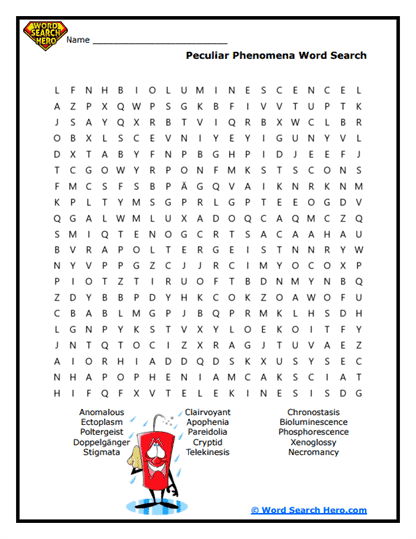
These printable puzzles are designed for people who’ve outgrown basic grids. You’ll find larger layouts, longer words, and answers hidden in every direction-forward, backward, diagonal, and sometimes in places that don’t stand out right away. They’re the kind of puzzles you don’t finish in five minutes-and that’s the point.
Whether you’re printing for yourself, a student, or a group activity, these are a solid choice when you want something a little more engaging than the usual word search.
What Makes Some Puzzles “Hard”?
Difficulty in a word search isn’t just about bigger grids-it’s a mix of a few things working together:
- Longer words that take more time to spot
- Tighter letter spacing that makes words blend in
- Multiple directions (including diagonal and backward)
- Larger grids that require more scanning
- Similar-looking letter patterns that can throw you off
If you’ve only done beginner puzzles before, you’ll notice the difference pretty quickly.
Who These Are Good For
These puzzles tend to work best for:
- Students who finish early and need something meaningful to do
- Parents looking for a quiet, screen-free activity
- Teachers adding challenge options to a classroom
- Adults who just enjoy a more satisfying puzzle
They’re especially useful when easy puzzles feel repetitive or too fast.
 Paul’s Pro-Tip
After years of watching students attack tricky puzzles, I noticed something funny: the fastest solvers weren’t always the ones who rushed.
My advice? Start with the weird letters.
Look for words with letters like Q, Z, X, or J. Those stand out in the grid and act like puzzle anchors. Once you find one, it helps you spot the surrounding letters for the rest of the word.
And here’s my secret classroom rule: if you’re stuck, flip the paper upside down for a minute. Your brain sees the grid differently and suddenly-boom-there’s the word you couldn’t find before.
Works every time. Well… almost every time!
Supporting Different Learners With Challenging Word Puzzles
Not every learner thrives with the same level of difficulty, which is why challenging puzzles can play an important role in differentiated instruction. In classrooms and homeschool settings, providing a range of puzzle difficulty allows teachers to match activities to individual skill levels.
Advanced students often need tasks that stretch their abilities. If an activity is too easy, they may rush through it without engaging deeply. A more complex word search keeps these learners motivated and encourages careful thinking.
Teachers often provide a set of puzzles with varying grid sizes or word lengths. Students who finish early can move on to the more challenging version, while others continue working at a comfortable pace. This approach allows every learner to feel successful without creating unnecessary pressure.
Challenging puzzles also support learners who enjoy independent problem-solving. Many students find satisfaction in tackling a difficult task on their own and experiencing the moment of discovery when the final word is found.
In homeschool environments, parents can use these puzzles to gradually increase challenge levels over time. As children build confidence, they move from smaller grids to more complex layouts with longer vocabulary words.
The goal isn’t just finishing the puzzle-it’s strengthening the skills that come with solving it: patience, focus, and the willingness to keep searching until the answer appears.
Frequently Asked Questions
What makes a word search difficult?
More challenging puzzles usually include larger grids, longer vocabulary words, diagonal or backward word placement, and tightly packed letters that make words harder to spot.
Are difficult word searches good for students?
Yes. They strengthen concentration, pattern recognition, and persistence, which are helpful skills for reading and problem-solving.
Can teachers use these puzzles for advanced learners?
Absolutely. Challenging puzzles are great enrichment activities for gifted students or early finishers who need additional mental stimulation.
Are these puzzles suitable for adults?
Yes. Many adults enjoy difficult word searches as a relaxing but engaging mental exercise.
Do harder puzzles improve focus?
They can. Because they require sustained attention and careful scanning, challenging puzzles help build focus and patience over time.