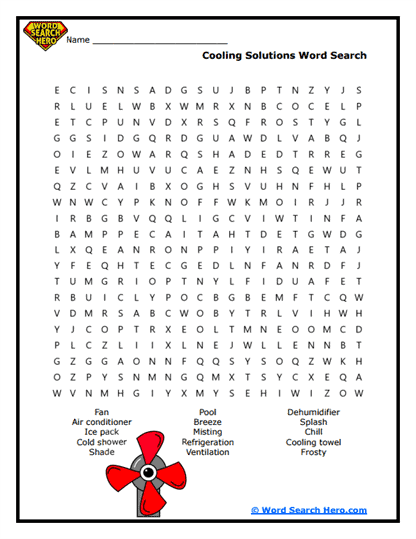
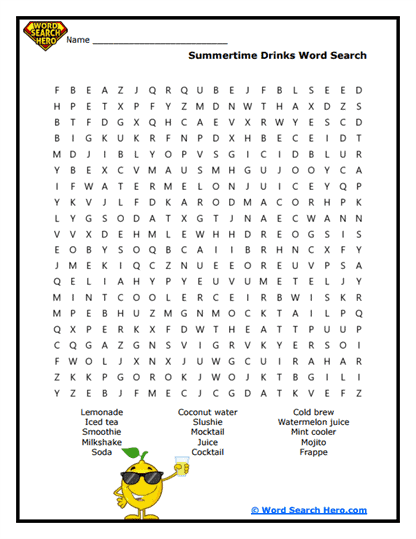
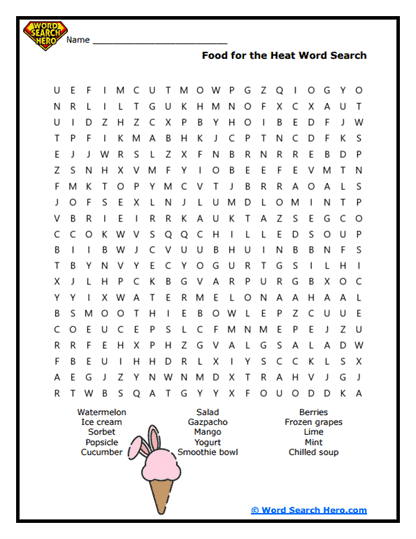
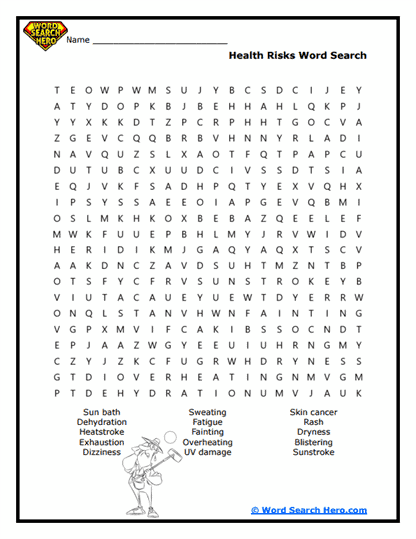
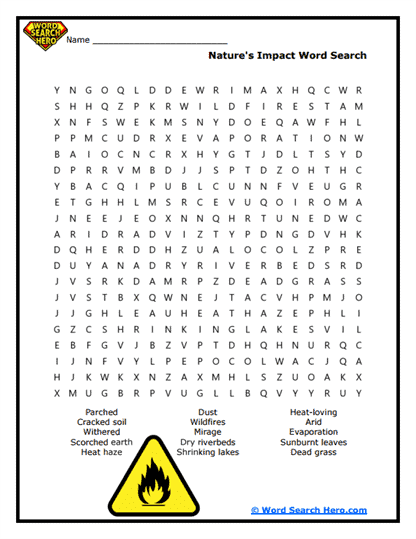
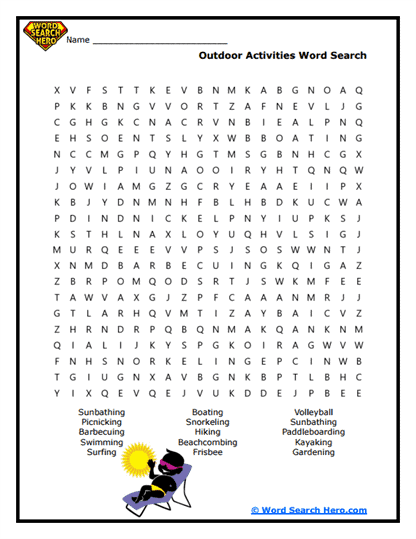
About Our Dog Days & Blistery Summers Word Searches
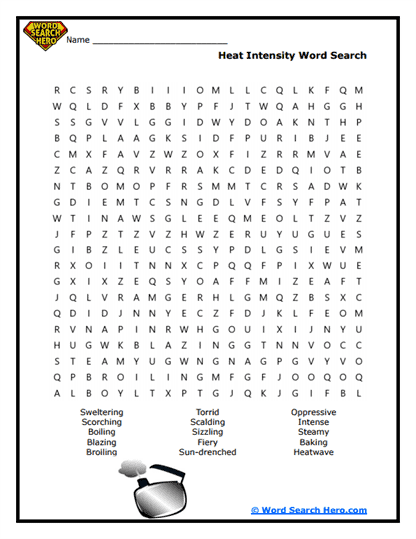
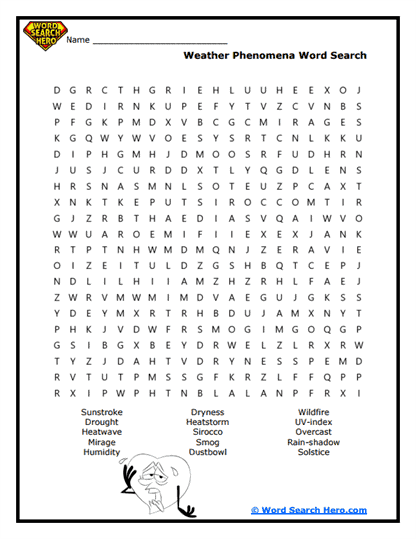
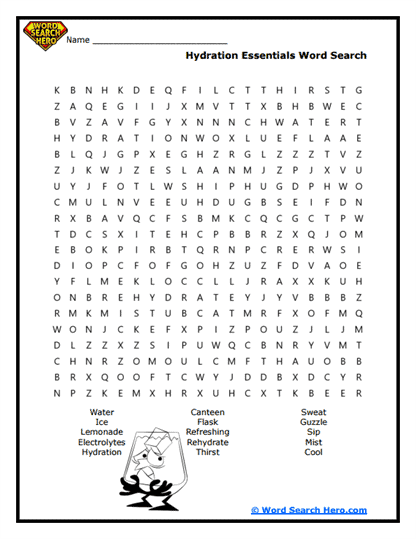
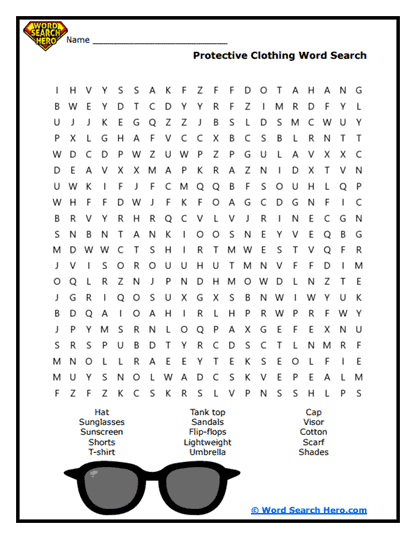
Our Dog Days & Blistery Summers Word Searches celebrate the bright sunshine, long days, and warm adventures that come with the hottest part of the year. These printable puzzles feature vocabulary connected to summer weather, outdoor fun, sunshine, and the classic experiences people enjoy during hot summer days. Teachers, parents, and homeschool educators enjoy using themed puzzles like these because they combine seasonal topics with meaningful vocabulary and reading practice.
As participants search through the puzzle grid for hidden words, they strengthen essential literacy skills such as spelling recognition, visual scanning, and pattern identification. Word searches encourage learners to carefully examine rows, columns, and diagonals to locate each word. Even though the activity feels like a relaxing game, it quietly reinforces reading fluency, concentration, and attention to detail.
The theme of hot summer days is especially engaging because it connects to familiar seasonal experiences. Words related to sunshine, heat waves, popsicles, pools, and summer activities often remind learners of vacations, outdoor play, and warm afternoons. This familiarity helps keep participants interested while reinforcing vocabulary recognition.
Teachers often include summer-themed puzzles as seasonal activities, early finisher tasks, or quiet brain breaks before summer vacation. Parents and homeschool families also appreciate how easy the puzzles are to print and use during summer learning time or relaxed afternoons indoors when the weather is especially hot.
By combining summer vocabulary with an engaging puzzle format, dog days word searches create a fun learning activity that celebrates the energy and warmth of the summer season.
Understanding the “Dog Days” of Summer
The phrase “dog days of summer” traditionally refers to the hottest and most humid part of the season. Historically, the term comes from ancient astronomy and the appearance of the star Sirius, sometimes called the “Dog Star,” which rises in the sky during late summer. Over time, the phrase became associated with long, hot days when temperatures soar and people look for ways to stay cool.
Common summer-related words might include heat, sunshine, breeze, lemonade, shade, and vacation. As participants search for these words within the puzzle grid, they practice recognizing spelling patterns and strengthening word recognition skills. Repeated exposure to these terms helps reinforce vocabulary while keeping the activity enjoyable.
Teachers sometimes connect summer vocabulary with lessons about seasons, weather patterns, and how people adapt to hot temperatures. Students may learn about heat waves, hydration, and the importance of staying cool during extremely warm days.
Another advantage of summer-themed puzzles is how easily they inspire conversation. After completing the puzzle, learners often enjoy talking about their favorite summer activities, places they like to visit during vacation, or ways they stay cool during hot weather.
By exploring summer vocabulary through puzzles, learners strengthen language skills while celebrating the warmth and excitement of the season.
Paul’s Pro-Tip
Dog days word searches are great for those hot afternoons when everyone needs a quiet activity. I like to challenge students to find a few “cool down” words in the puzzle before talking about summer fun.
Once they discover them, the class usually starts sharing ideas about staying cool-things like swimming, enjoying cold drinks, or relaxing in the shade. It’s a simple way to bring a little summer energy into the room.
Turning Summer Puzzles Into Seasonal Activities
Dog days and summer-themed word searches can easily lead to creative seasonal activities. After completing the puzzle, teachers can invite students to choose one summer-related word they discovered and describe how it connects to their favorite summer memory.
For example, a student who finds the word pool might describe a fun day swimming with friends or family. Another learner who spots the word shade might talk about relaxing under a tree on a hot afternoon.
Another engaging extension is a summer adventure challenge. Students can use several words from the puzzle to imagine their perfect summer day. They might include activities like visiting the beach, enjoying a picnic, or watching fireworks at night.
Families can also connect puzzles with summer activities at home. After finishing the word search, children might create a short list of their favorite summer games or outdoor activities to try during the season.
By linking puzzles with seasonal creativity and storytelling, educators and parents transform a simple word search into an activity that celebrates sunshine, relaxation, and summer adventures.
Frequently Asked Questions
How can teachers use dog days or summer word searches in the classroom?
Teachers often use these puzzles as seasonal warm-up activities, early finisher tasks, or quiet brain breaks during the final weeks of the school year. The summer theme helps keep students engaged while reinforcing reading and vocabulary skills.
Are summer-themed word searches helpful for homeschool learning?
Yes, they work very well in homeschool environments because they combine vocabulary practice with seasonal topics that children enjoy. Parents can print a puzzle and then connect the activity with summer crafts, outdoor games, or discussions about summer weather.
Do word searches help students learn seasonal vocabulary?
Word searches reinforce vocabulary by repeatedly exposing learners to words connected to specific seasons and experiences. As students scan the puzzle grid and recognize spelling patterns, they strengthen word recognition skills that support reading comprehension.
What age groups enjoy summer-themed word searches the most?
Elementary and middle school students often enjoy these puzzles because the theme connects to summer vacation and outdoor activities. However, older students and adults can also enjoy them as relaxing brain challenges that strengthen concentration and observation.
Can these puzzles encourage discussions about summer activities?
Absolutely. When learners discover words related to sunshine, vacations, and outdoor fun, it often sparks conversations about favorite summer memories and plans. The puzzle becomes a fun starting point for sharing stories and celebrating the energy of the summer season.