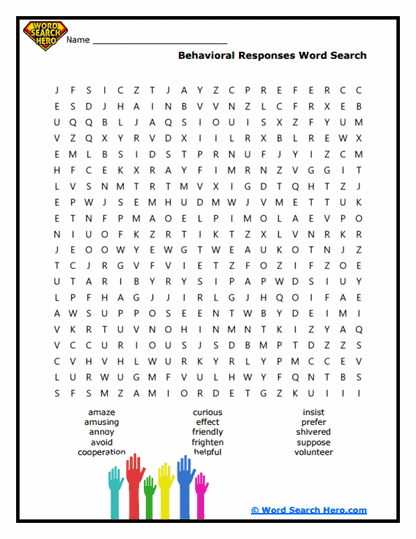
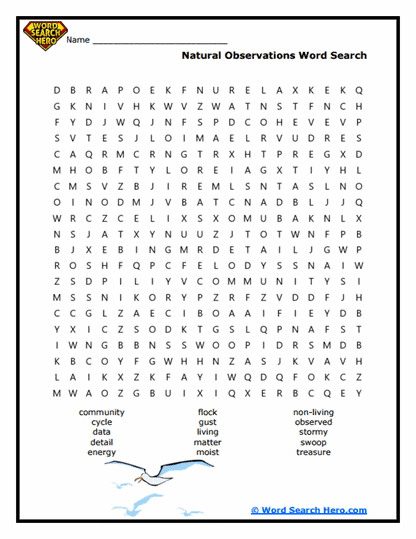
About Our Grade 2 Word Searches
Our Grade 2 word searches are designed for students who are growing into more confident readers and beginning to explore a wider range of vocabulary. At this stage, children are moving beyond simple sight words and starting to recognize longer words, clearer patterns, and words connected to real-life topics.
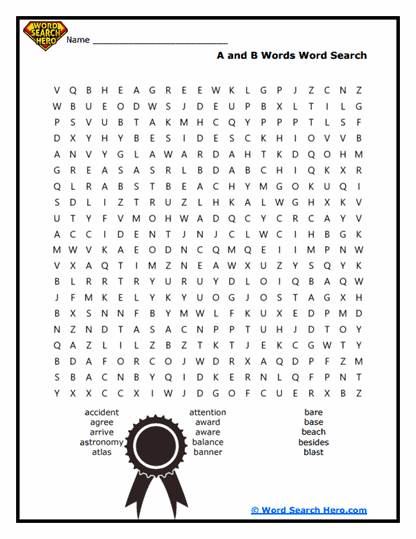
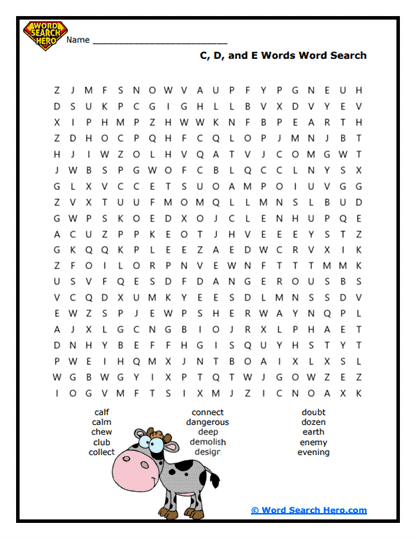
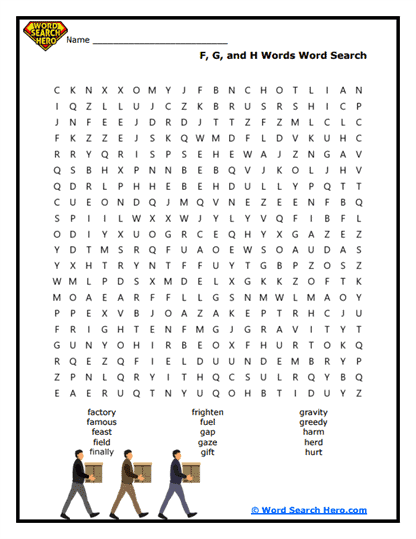
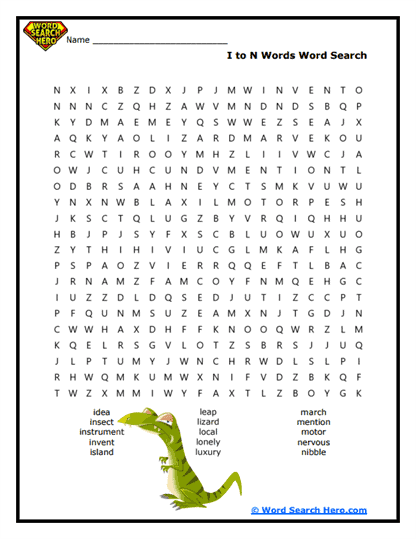
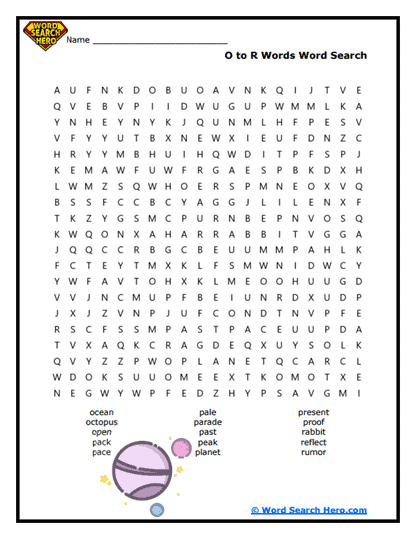
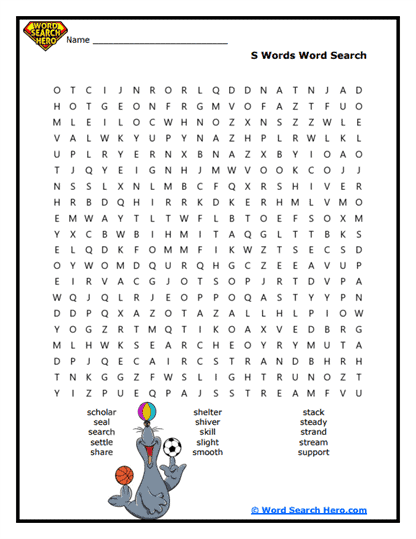
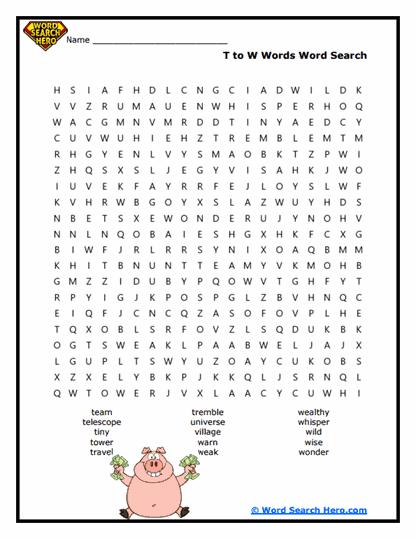
This collection stands out because of how it introduces vocabulary in groups. Many of the puzzles are organized by starting letters, helping students notice patterns like how words beginning with “S” or “T” often share similar sounds. At the same time, students are also exposed to words tied to science, behavior, and everyday experiences-like “gravity,” “predict,” and “community.”
For teachers, these puzzles fit naturally into early phonics and word pattern practice or can support lessons tied to basic science vocabulary. For parents and homeschoolers, they offer a simple and engaging way to reinforce reading skills while helping children feel more independent and capable.
How Second Grade Vocabulary Starts Expanding Beyond Simple Words
Second grade is where vocabulary really begins to open up. Students are no longer working with only short, familiar words-they’re starting to encounter words that describe actions, ideas, and even early academic concepts.
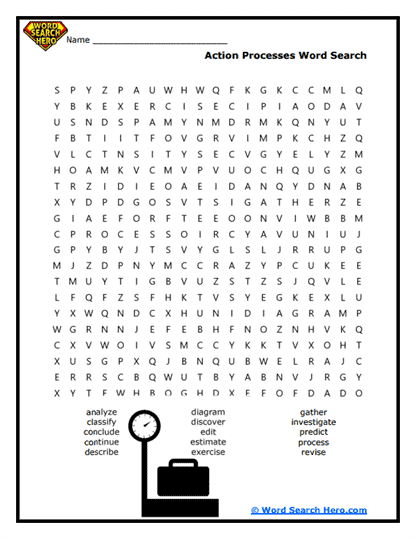
You can see that growth clearly in this collection. Some puzzles focus on everyday words like “team” or “ocean,” while others introduce more advanced terms like “analyze,” “estimate,” or “predict.” These words show up in subjects like science and math, which means students are beginning to use vocabulary to understand how the world works-not just to name things.
Another important shift is how words are grouped. Instead of random lists, many puzzles organize vocabulary by starting letters. This helps students recognize patterns, which makes reading easier over time. When a child notices how words beginning with the same letter often share sounds, it strengthens their decoding skills and builds confidence.
There’s also a mix of word types here-actions, feelings, objects, and descriptive words. That variety helps students grow in multiple ways at once. They’re learning how to explain ideas, describe experiences, and understand new concepts. These skills connect directly to areas like building early reading fluency and understanding word families and patterns.
Over time, this kind of exposure helps students feel more comfortable with longer words and more prepared for the vocabulary they’ll see in books and classroom lessons.
Paul’s Pro-Tip
 Encourage students to underline each word in the list after they find it in the puzzle.
This simple habit helps them keep track of their progress and avoids searching for the same word twice. It also gives them one more chance to look closely at the spelling, which reinforces memory.
A little organization goes a long way in making the puzzle smoother and more enjoyable.
Easy Activities That Help Young Learners Remember New Words
After finishing a puzzle, a few quick activities can help those new words stick.
One simple idea is to have students pick one or two words and say them out loud in a sentence. This works especially well for action words like “predict” or “explore,” where students can describe something they’ve done or learned. Speaking the words helps build confidence and strengthens understanding.
Another easy activity is sorting. Ask students to group words into categories like “things,” “actions,” or “feelings.” This helps them see how words are connected and builds a deeper understanding of meaning. It also supports skills like early vocabulary development and recognizing word categories and meaning.
You can also add a quick drawing activity. Have students choose a word and draw a picture to match it. This is especially helpful for visual learners and works well with nature or object-based vocabulary.
For a fun twist, turn it into a mini game. Say a word out loud and have the student explain what it means or act it out. This keeps learning active and helps reinforce understanding in a playful way.
These activities are simple, quick, and easy to use-but they make a big difference in helping students remember and use new vocabulary.
Frequently Asked Questions
What makes Grade 2 word searches different from Grade 1 puzzles?
Grade 2 puzzles typically include longer words and a wider variety of vocabulary that reflects growing reading skills. Students begin to see more descriptive and subject-related words compared to earlier grades.
Are these puzzles appropriate for independent work?
Yes. Many second grade students can complete these puzzles on their own, especially as they build confidence with reading and word recognition. Some may still benefit from light guidance with unfamiliar words.
Can teachers use these puzzles with weekly spelling lists?
Absolutely. Word searches are a great way to review spelling words in a format that feels more engaging than traditional drills.
Do Grade 2 puzzles include subject-related vocabulary?
Yes. Some puzzles introduce words connected to science, nature, and everyday learning, helping students become familiar with terms they may see in class.
How do word searches help with reading development?
They reinforce spelling patterns, improve visual scanning skills, and help students recognize words more quickly. This repeated exposure supports stronger reading fluency over time.