About Our Hades Word Search Collection
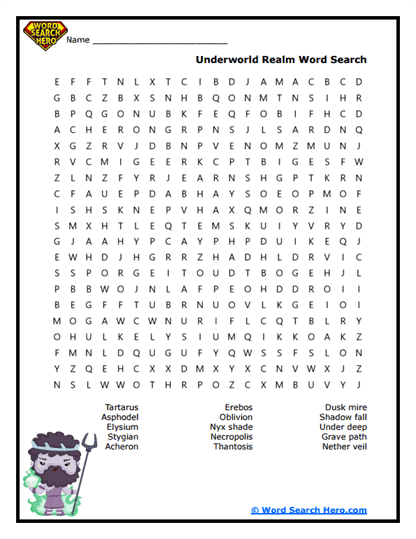
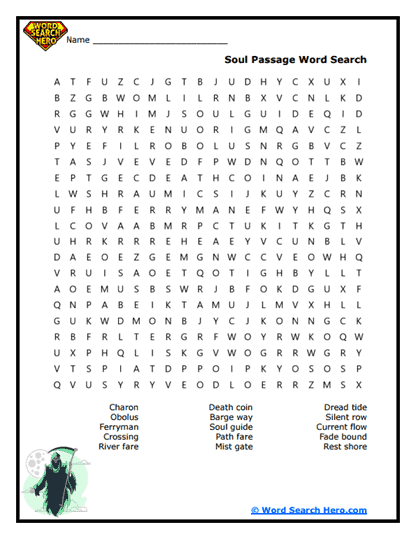
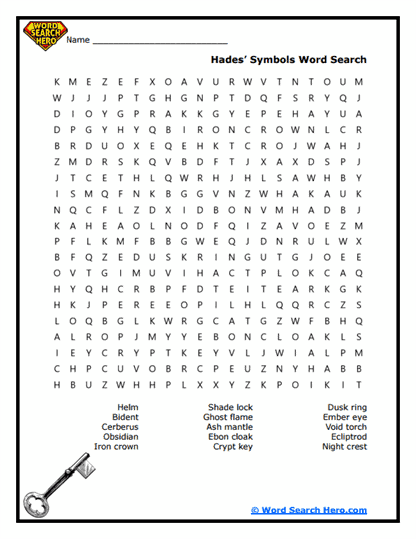
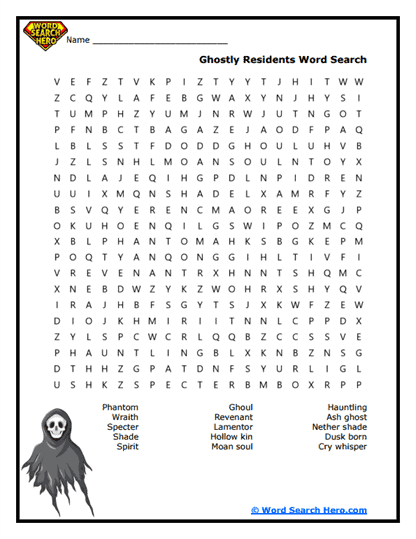
Our Hades Word Search collection explores the myths and legends surrounding one of the most mysterious and powerful gods in Greek mythology. Known as the ruler of the underworld, Hades governed the realm of the dead and played a crucial role in the balance of life, death, and fate in ancient Greek belief. These printable word searches highlight the characters, places, and symbols connected to Hades and the legendary stories of the underworld.
In Greek mythology, Hades was one of the three brothers who divided the world after defeating the Titans. Zeus became ruler of the sky, Poseidon ruled the seas, and Hades was given dominion over the underworld. Though often associated with darkness and death, Hades was not typically portrayed as evil. Instead, he was seen as a strict and powerful guardian of the realm where souls traveled after death.
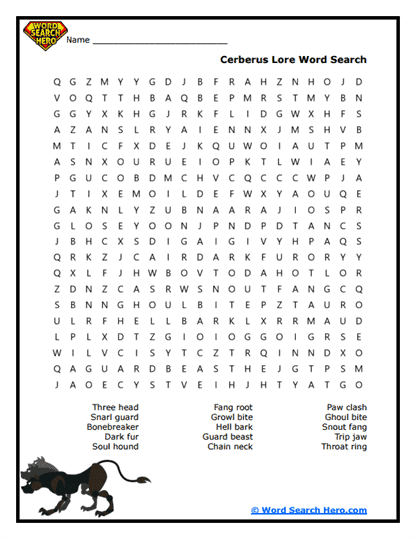
The underworld itself was a complex and fascinating place in Greek mythology. It included regions such as the River Styx, the Fields of Asphodel, and Elysium, each representing different destinies for the souls who entered the realm. The three-headed dog Cerberus guarded the gates, ensuring that the dead remained in the underworld.
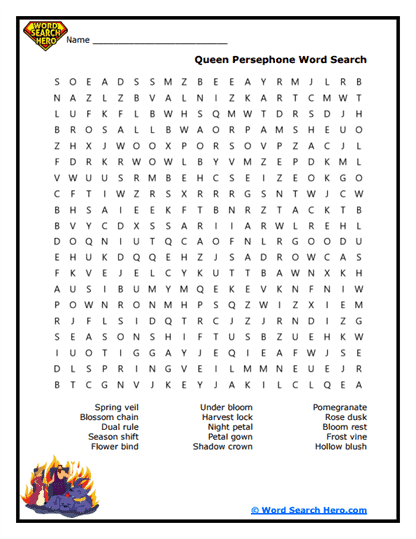
Hades also appears in several famous myths, most notably the story of Persephone, whose seasonal return to the surface world explained the changing of the seasons. This myth remains one of the most well-known tales involving the god of the underworld.
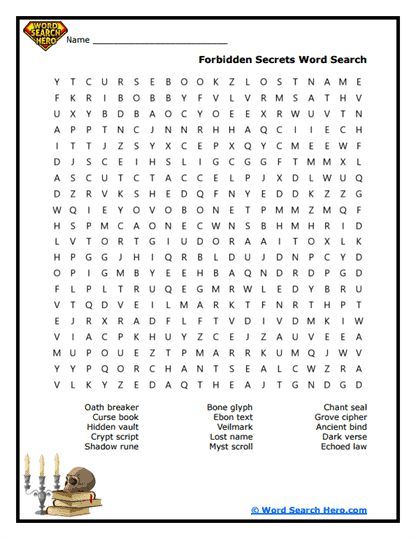
This rich mythological setting makes Hades a fascinating theme for word search puzzles. Instead of reading ancient legends directly, puzzlers explore a grid of letters to uncover hidden words connected to Hades, the underworld, and the figures who appear in these legendary stories.
Word searches also reflect the sense of discovery found in mythology. Just as ancient storytellers described hidden realms beneath the earth, puzzle solvers carefully scan the grid to reveal names and mythological ideas hidden among the letters.
These puzzles are perfect for classrooms, mythology enthusiasts, puzzle lovers, and anyone curious about the mysterious world of Greek legends.
Why Hades Makes a Great Word Search Theme
Hades stands out among the Greek gods because of his connection to the underworld and the mysteries surrounding life after death. His realm was filled with legendary places, powerful guardians, and important mythological figures.
This unique mythology provides a wide range of vocabulary that works well in word search puzzles. Words connected to mythological locations, gods, spirits, and legendary creatures all help create a puzzle theme that feels dramatic and engaging.
Another reason the theme works well is the importance of Hades in many famous myths. Stories involving Persephone, heroic journeys to the underworld, and the guardians of the dead have remained popular for centuries.
Because the myths surrounding Hades combine adventure, mystery, and powerful storytelling, they create puzzles that are both entertaining and educational.
Paul’s Pro-Tip

Solve a Hades word search the way an ancient hero might explore the underworld-slowly and carefully.
Start by scanning the puzzle row by row rather than jumping randomly across the grid. This method helps you recognize letter patterns that match the mythological names you are searching for.
It can also help to look for longer names first, such as those of mythological places or characters connected to the underworld. Once those stand out in the puzzle, the smaller words often become easier to find.
With patience and focus, the hidden words will appear one by one.
From Puzzle Grid to Mythological Exploration
A Hades word search can easily lead to deeper exploration once the puzzle is complete. The words discovered in the grid often represent mythological figures, locations, or symbols connected to the underworld.
Players might choose one of the words they found and learn the myth behind it. What role did that figure play in the underworld? What story explains that location or creature?
In classrooms, teachers can encourage students to draw a scene from the underworld or write a short myth about a hero traveling through Hades’ realm.
Because Greek mythology is filled with dramatic stories and mysterious places, the puzzle becomes more than just a word search-it becomes a gateway into the legendary world of ancient myths.
Frequently Asked Questions
Who is Hades in Greek mythology?
Hades is the Greek god who rules the underworld. He is the brother of Zeus and Poseidon and is responsible for overseeing the realm where souls go after death.
What kinds of words appear in Hades word searches?
These puzzles often include names of mythological figures, locations in the underworld, creatures, and concepts connected to Hades and Greek mythology.
Are Hades word searches educational?
Yes. They introduce puzzle solvers to important characters and ideas from Greek mythology while strengthening vocabulary recognition and puzzle-solving skills.
Are these puzzles suitable for classrooms?
Absolutely. Teachers often use mythology-themed puzzles as enrichment activities during lessons about ancient Greece, mythology, and classical literature.
Do these puzzles help develop thinking skills?
Word searches strengthen concentration, pattern recognition, and visual scanning skills, which support reading development and learning.
Can these puzzles encourage interest in mythology?
Yes. Many puzzle solvers become curious about the myths behind the names they discover, which can lead to deeper exploration of Greek mythology.
Why do mythological gods make good puzzle themes?
Mythological gods are connected to memorable stories, powerful symbols, and legendary adventures. These elements translate naturally into engaging and educational word search puzzles.