About Our Healthy Foods Word Searches
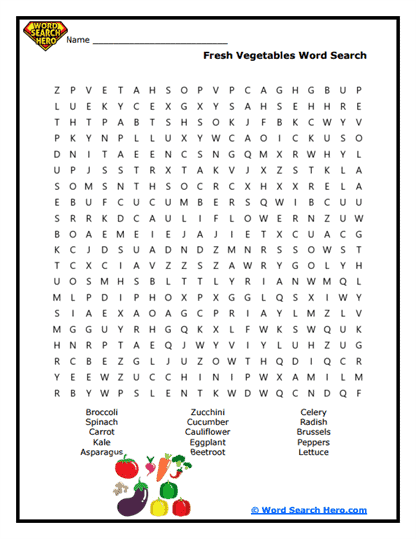
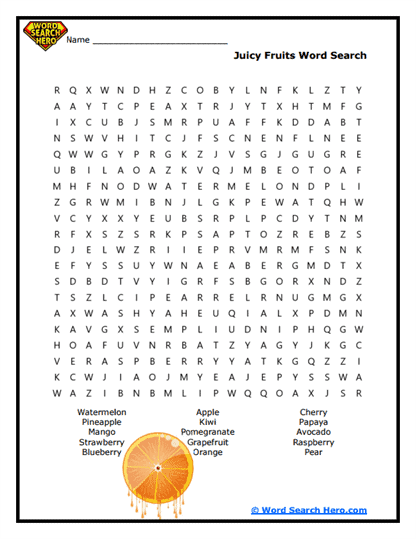
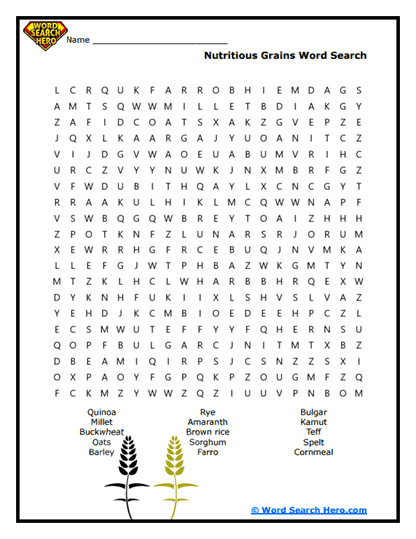
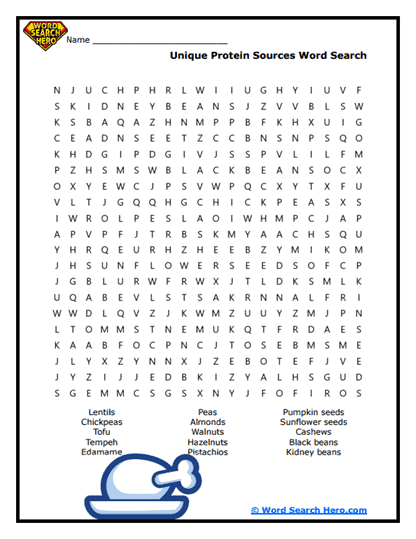
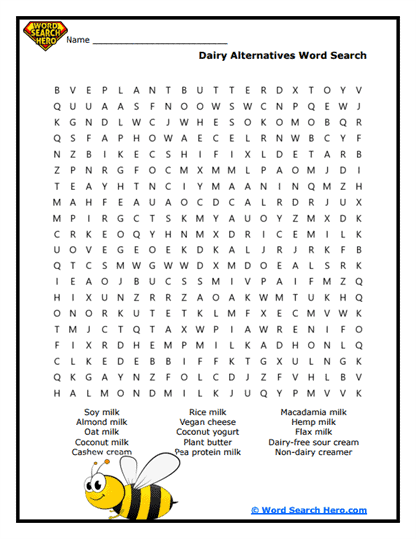
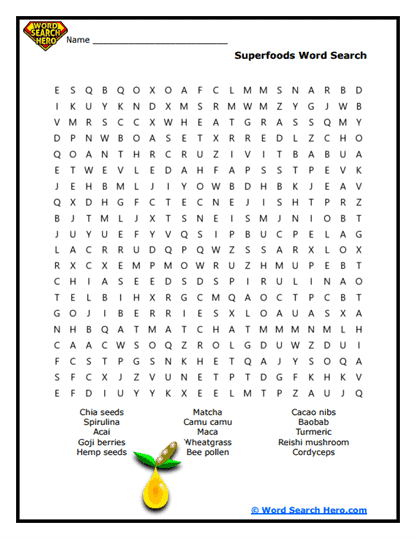
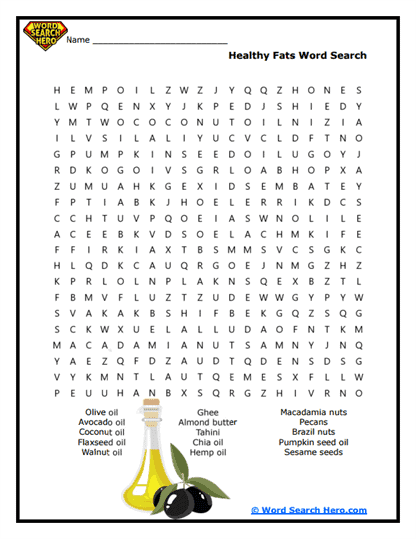
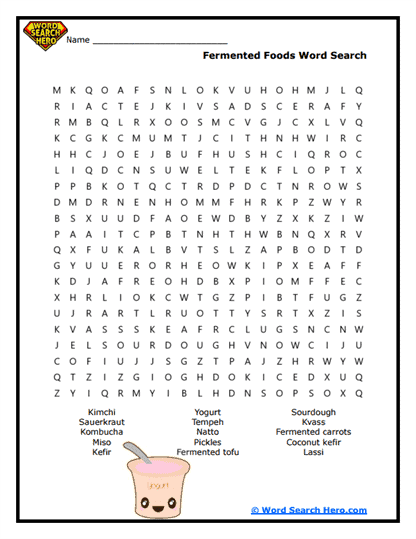
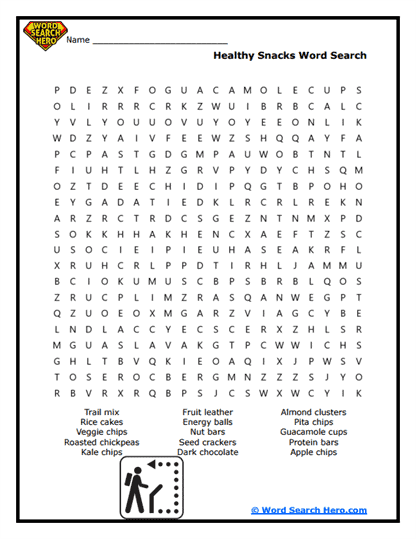
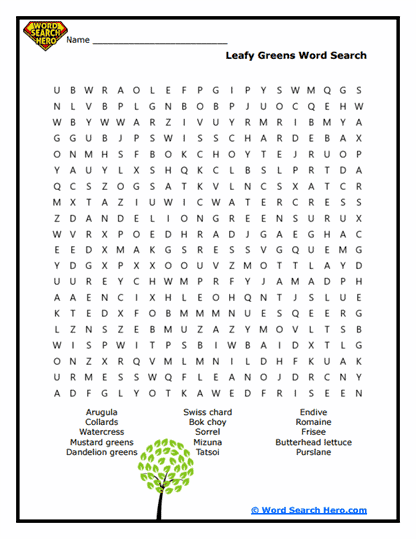
Healthy eating is an important part of everyday life, and our Healthy Foods Word Searches collection turns that concept into a fun and approachable activity. These puzzles focus on nutritious foods like fruits, vegetables, whole grains, and proteins, helping learners become more familiar with the kinds of foods that support a balanced lifestyle. From apples and broccoli to oats, nuts, and yogurt, the word lists are packed with positive, real-world vocabulary.
Because the theme is both familiar and meaningful, these puzzles work well for a wide range of ages. Younger learners enjoy recognizing common foods they’ve seen at home or in school, while older students can explore a broader range of ingredients and health-related terms. The focus on healthy foods also gives the activity a clear purpose beyond just entertainment.
These printables are ideal for classrooms, homeschool lessons, and at-home use. Teachers can incorporate them into nutrition units, health discussions, or science lessons, while parents can use them to support conversations about food choices in a relaxed and engaging way.
Building Strong Habits Through Play
Healthy foods word searches do more than build vocabulary-they help reinforce positive habits. As learners search for words, they are repeatedly exposed to nutritious food options, which can make those choices feel more familiar and accessible over time.
These puzzles also support key academic skills. Students practice spelling, pattern recognition, visual scanning, and focus. At the same time, the content naturally connects to lessons about food groups, balanced diets, and how different foods support the body.
This theme also opens the door to simple categorization activities. Learners can group foods into fruits, vegetables, grains, and proteins, or sort them into meals and snacks. These small extensions help deepen understanding without adding complexity.
Paul’s Pro-Tip

Turn your healthy foods word search into a “build-a-meal challenge.” After finishing the puzzle, have learners choose several words and create a balanced meal using only those ingredients. It’s a fun way to connect the puzzle to real-life decision-making.
If someone gets stuck, suggest starting with bright, familiar foods like “apple,” “banana,” or “carrot.” These are often easier to spot and can help build momentum.
Making Healthy Choices Feel Natural
One of the biggest benefits of this theme is how naturally it leads to conversation. Healthy foods are part of everyday life, so learners often have something to say. You can ask simple questions like: Which of these foods do you eat often? Which ones would you like to try? Which are your favorites?
These discussions help build awareness and confidence around food choices. Kids may begin to describe textures and flavors-crunchy, sweet, fresh, or juicy-which strengthens descriptive language and communication skills.
At home, these puzzles can connect directly to daily routines. Families might use the word list to plan a grocery trip, try a new fruit or vegetable, or talk about what makes a meal balanced. These small connections help turn learning into action.
Frequently Asked Questions
What types of foods are included in healthy foods word search puzzles?
Healthy foods word searches typically include a wide range of nutritious options such as fruits (apple, banana, berries), vegetables (broccoli, spinach, carrots), whole grains (oats, brown rice), proteins (beans, eggs, nuts), and dairy or alternatives (milk, yogurt). Some puzzles may also include general health terms like “vitamins” or “fiber” to reinforce the concept of nutrition.
How do healthy foods word searches support nutrition education?
These puzzles introduce and reinforce the names of healthy foods in a fun, low-pressure way. As learners repeatedly see and search for these words, they become more familiar with them. This makes it easier to talk about food groups, balanced meals, and healthy habits without needing a formal lesson.
Are healthy foods word searches effective for younger children?
Yes, especially when the puzzles use simple, recognizable foods. Younger learners benefit from seeing familiar items like apples, carrots, and milk, which helps build confidence and early vocabulary. The positive theme also makes it easier to introduce basic ideas about healthy eating.
How are healthy foods word searches different from general food puzzles?
Unlike general food word searches that include sweets, snacks, and less nutritious options, healthy foods puzzles focus specifically on foods that support a balanced diet. This gives the activity a clearer educational purpose and helps reinforce positive choices.
Can healthy foods word searches be used in classroom lessons?
Absolutely. They are perfect for nutrition units, health education, and even science lessons about the body. Teachers can use them as warm-ups, centers, or review activities that connect directly to curriculum topics.
Do these puzzles help encourage better eating habits?
While they don’t directly change habits, they can increase familiarity and awareness. Seeing and recognizing healthy foods in a fun context can make them feel less intimidating and more appealing, especially for younger learners.
What age group are healthy foods word searches best for?
They are highly adaptable and can work for early elementary through middle school. Simpler puzzles suit younger learners, while more detailed ones with a wider variety of foods and nutrition terms can engage older students.
How can I extend a healthy foods word search activity?
After completing the puzzle, learners can sort foods into groups, create a balanced meal, plan a healthy snack, or even keep a simple food journal. These extensions help connect the puzzle to real-life choices and deepen understanding.