


Ancient Civilizations
Travel back in time-no time machine required-with this epic collection of free, printable word search puzzles all about Ancient Civilizations, from pyramid-building Egyptians to toga-rocking Romans.
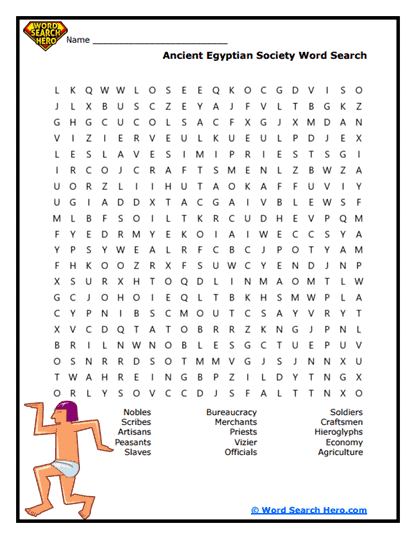
Travel back in time-no time machine required-with this epic collection of free, printable word search puzzles all about Ancient Civilizations, from pyramid-building Egyptians to toga-rocking Romans.

Where history’s biggest showdowns turn into epic puzzle hunts filled with blitzkriegs, diplomacy, and the occasional emu uprising. It’s the only place where you can conquer world wars, decode political tensions, and still laugh your way through the chaos-one circled word at a time!
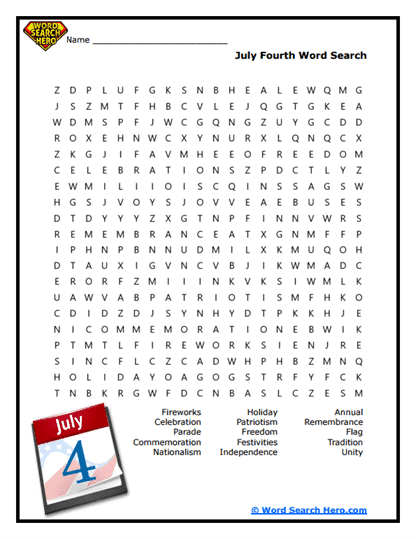
Get ready to time-travel without the jet lag-this collection of U.S. History word searches turns Manifest Destiny, the Constitution, and America’s epic glow-up into laugh-out-loud, brain-boosting puzzles that even your least favorite history teacher would approve of.
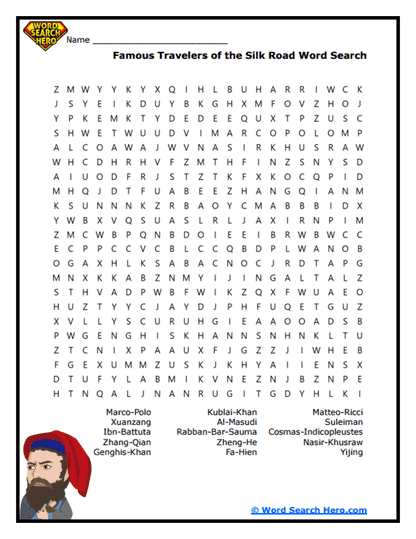
From ancient empires to modern trade routes, these puzzles are your brain’s favorite way to nerd out on history-no dusty textbooks, just pure printable glory.
History helps students understand how people, events, and ideas from the past have shaped the world we live in today. Our History Word Searches offer an engaging way for learners to explore historical topics while strengthening vocabulary, reading skills, and general knowledge.
These printable puzzles introduce students to important names, places, events, and concepts from different periods of history. Instead of simply reading about historical topics in textbooks, learners interact with the vocabulary by searching for words hidden within puzzle grids. This hands-on activity helps reinforce key terms while making the learning process more enjoyable.
Teachers often use history-themed word searches during social studies lessons, classroom warm-ups, or literacy center activities. They also work well as early finisher tasks or review exercises when students are studying a particular historical period. Because the puzzles are easy to print and distribute, they fit smoothly into many classroom routines.
Parents and homeschool educators appreciate how these puzzles combine learning with entertainment. Many students enjoy the challenge of finding hidden words, which keeps them engaged while reinforcing important historical vocabulary.
Another benefit is the development of focus and pattern recognition. As students scan rows, columns, and diagonals looking for words, they strengthen concentration and visual tracking skills.
Our History Word Searches provide a simple but effective way for learners to explore historical vocabulary while building curiosity about the people and events that shaped the past.
History lessons often introduce many new terms-names of leaders, important places, major events, and cultural ideas. Word search puzzles can help students become more familiar with these terms in a relaxed and engaging way.
As learners search for words such as empire, revolution, colony, or civilization, they begin recognizing vocabulary that frequently appears in social studies lessons. This repeated exposure helps students feel more confident when encountering these terms in textbooks or classroom discussions.
Teachers can extend the puzzle activity by asking students to explain the meaning of a few words they found. For example, if a student locates the word revolution, the class might briefly discuss what a revolution is and why it is significant in history.
Another helpful activity is to connect puzzle words to specific historical events. If students find words like independence or constitution, they can discuss which countries or historical periods those ideas relate to.
Students can also choose several words from the puzzle and write short sentences explaining them. This encourages learners to connect vocabulary with historical understanding rather than simply recognizing the words.
By combining puzzles with discussion and exploration, history word searches can turn vocabulary practice into a gateway for deeper curiosity about the past.

History word searches work best when they lead to questions.
After students finish the puzzle, ask them to pick two or three words they found that they don’t know much about. Then take a minute to explore them together. Maybe it’s a person, a place, or an event.
Even a quick explanation can spark curiosity. A word like empire or revolution might lead to a discussion about how societies change over time.
A simple puzzle can easily become the starting point for a much bigger history conversation.
One of the biggest challenges in teaching history is helping students connect unfamiliar vocabulary to real events and people. When students repeatedly encounter key historical terms, those concepts become easier to understand and remember.
Word search puzzles help reinforce these terms by giving students repeated exposure in a low-pressure activity. As learners scan the puzzle grid, they become more familiar with words related to government, exploration, culture, and historical change.
Teachers can reinforce this learning by asking students to categorize the words they found. Some words might represent people, others places, and others major events. Sorting the vocabulary helps students understand how these elements fit together in historical study.
Reading activities also benefit from this approach. When students recognize words from a puzzle while reading a passage, they often feel more confident about understanding the material.
Families can support historical learning at home by discussing puzzle words together. If a child finds a word like colony or migration, a short conversation about what the word means can strengthen understanding.
Word search puzzles introduce key vocabulary in a fun way, but their real value appears when students begin connecting those words to real historical stories and discoveries.
What types of words appear in history word search puzzles?
History word searches often include names of historical figures, important places, major events, and terms related to government, culture, and historical time periods.
Are history word searches useful during social studies lessons?
Yes. Teachers frequently use them as review activities, vocabulary warm-ups, or literacy center tasks during history units.
Do these puzzles help students remember historical vocabulary?
They can. Repeated exposure to important terms helps students recognize and recall vocabulary when they encounter it in textbooks or discussions.
Can history word searches be used for different grade levels?
Absolutely. Puzzles can be designed for younger learners using basic historical terms or for older students studying more advanced topics and events.
What is a good follow-up activity after completing a history word search?
Students can choose several words from the puzzle and explain their meaning, connect them to historical events, or write a short paragraph about one of the topics they discovered.