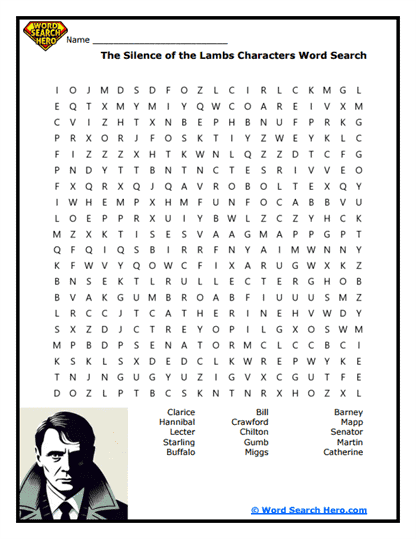
Action
Whether you’re dodging bullets with John Wick or outsmarting villains with Indiana Jones, these puzzles deliver the thrills without the bruises-just good, clean, adrenaline-fueled fun for your inner word warrior.
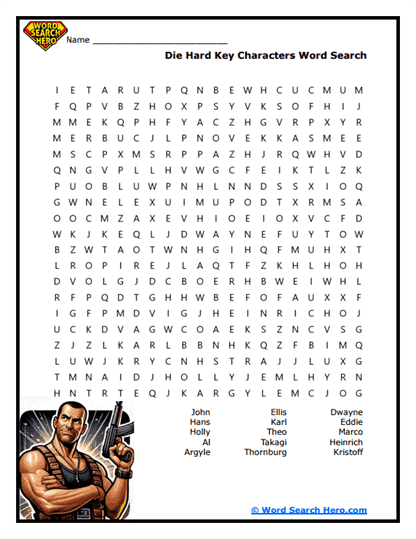
Whether you’re dodging bullets with John Wick or outsmarting villains with Indiana Jones, these puzzles deliver the thrills without the bruises-just good, clean, adrenaline-fueled fun for your inner word warrior.
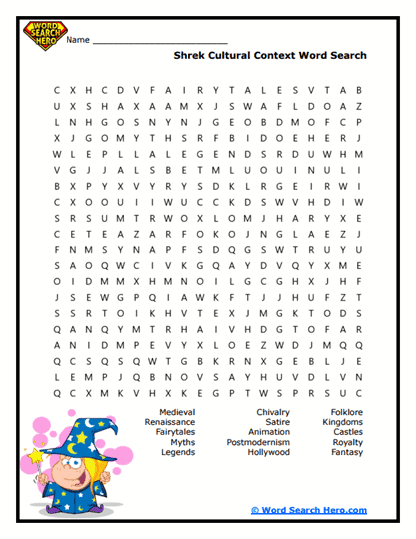
Whether you’re dodging deadlines or just avoiding folding laundry, these puzzles turn every excuse into an epic cartoon-worthy adventure in word-finding glory.
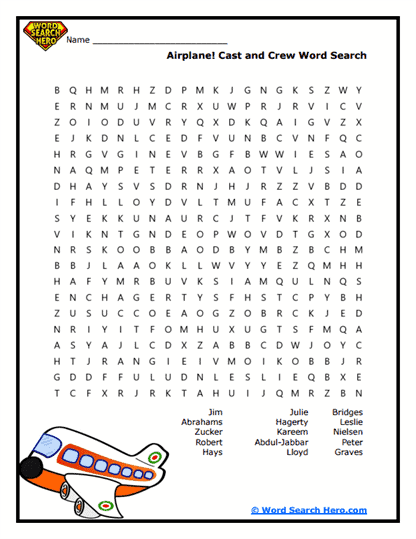
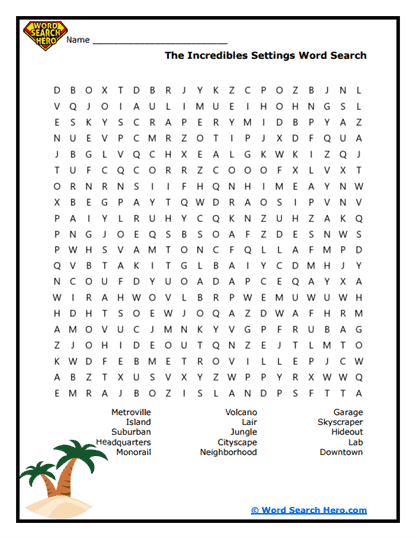
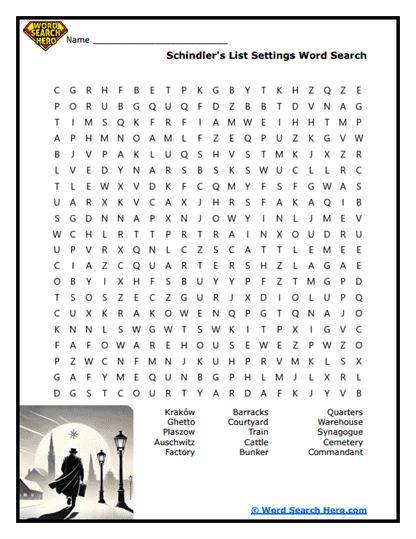
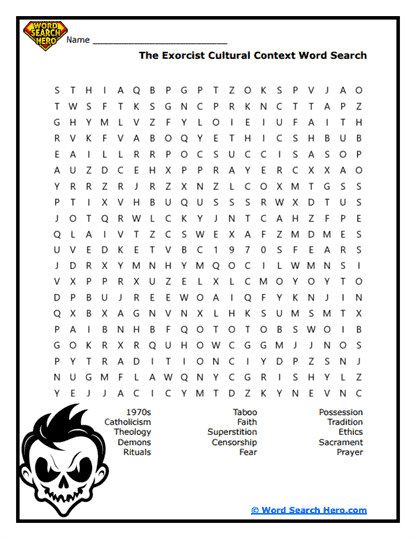
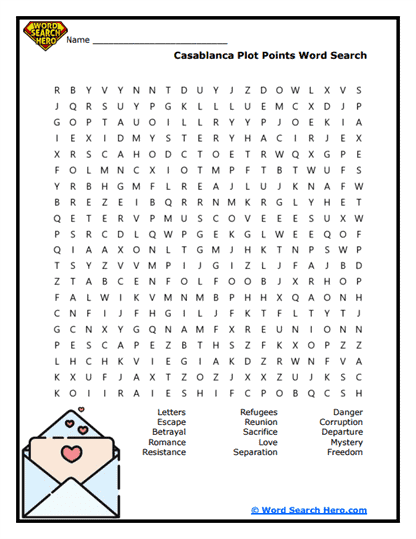
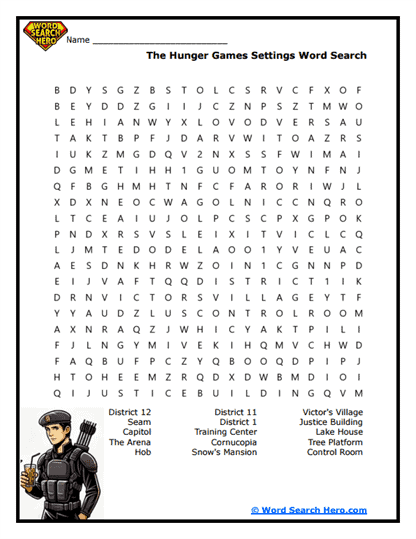
Each puzzle is like a secret mission from nerdy headquarters, challenging your memory, tickling your trivia bone, and making you feel like the chosen one… minus the dystopian consequences.
Movies capture imagination, tell stories, and bring people together-making them an exciting theme for word search puzzles. Our Movie Word Searches collection is filled with vocabulary connected to films, from genres and characters to filmmaking terms and theater experiences. With words like actor, director, scene, and script, these puzzles feel dynamic and engaging.
Because movies are such a big part of everyday entertainment, this theme appeals to a wide range of ages. Younger learners may recognize simple words like “movie” or “screen,” while older students can explore more detailed terms like “cinematography,” “producer,” or “dialogue.” This variety keeps the puzzles accessible while still offering depth.
These printables are perfect for classrooms, homeschool settings, and at-home fun. They work well as brain breaks, media-themed lessons, or creative writing prompts. The movie theme adds excitement and helps learners stay motivated.
Movie word searches help learners build important literacy skills while connecting to a topic they enjoy. As they search for words, they practice spelling, visual scanning, and attention to detail. The familiar and high-interest theme keeps engagement strong.
This topic also connects easily to other subjects. In writing, students can create their own movie plots or describe a favorite film. In art, they can design posters or imagine characters. In media studies, they can explore how movies are made and the roles involved in production.
In group settings, movie puzzles can spark lively discussions. Learners might talk about their favorite films, actors, or genres like comedy, action, or animation. These conversations help build communication skills while making the activity interactive.

Turn your movie word search into a “movie maker challenge.” After completing the puzzle, have learners use a few words they found to create their own movie idea-complete with a title, characters, and plot.
If someone gets stuck, suggest starting with easy-to-spot words like “film,” “actor,” or “scene.” These anchor words help build confidence and momentum.
Movie-themed puzzles naturally get people talking because everyone has favorite films and experiences. After finishing the puzzle, you can ask questions like: What’s your favorite movie? Do you prefer action, comedy, or animation? Have you ever been to a movie theater?
These discussions help learners practice descriptive language using words like exciting, funny, dramatic, or suspenseful. They also encourage storytelling and sharing opinions, which strengthens communication skills.
At home, these puzzles can easily connect to real-life activities. Families might plan a movie night, create a short film idea, or act out scenes. These simple extensions make learning more creative and memorable.
Movie word searches usually include a mix of filmmaking terms (actor, director, script, scene), theater-related words (screen, ticket, popcorn), and genres (comedy, action, drama, animation). Some puzzles may also include character types or storytelling elements.
Yes, they are very kid-friendly. The theme is familiar and engaging, and puzzles can be adjusted with simpler or more advanced vocabulary depending on age level.
They help build spelling, vocabulary, visual scanning, and concentration skills. They also introduce learners to storytelling and media-related terms in a fun, low-pressure way.
Movie word searches focus on entertainment and storytelling, which allows for a mix of creative and technical vocabulary. This makes them more dynamic compared to more straightforward topics.
Absolutely. They work well for writing prompts, media literacy lessons, or creative activities where students build their own stories or analyze films.
Kids enjoy them because movies are exciting and familiar. The connection to favorite characters and stories makes the puzzle feel fun and engaging.
Yes. After completing the puzzle, learners can create a movie idea, design a poster, or write a short script. These extensions add creativity and make the activity more interactive.
They introduce both everyday and specialized words related to films and storytelling. Because learners can connect the words to movies they’ve seen, they are more likely to remember and use them.