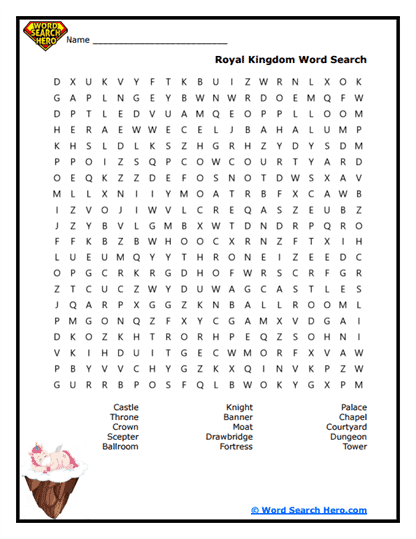
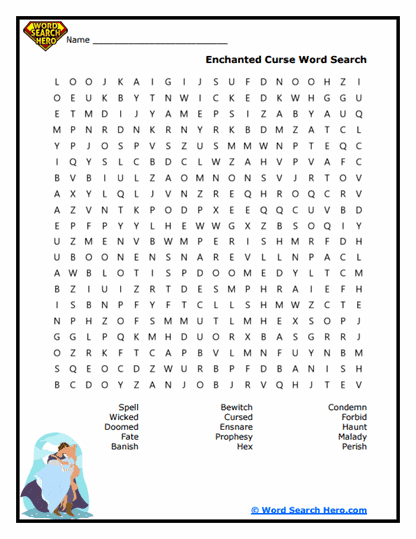
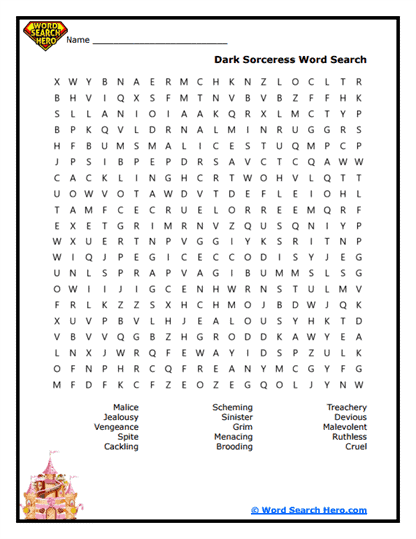
About Our Sleeping Beauty Word Searches
Our Sleeping Beauty Word Searches collection brings the magic of one of the world’s most beloved fairy tales into an engaging literacy activity. Inspired by the classic story made famous by the Brothers Grimm and Charles Perrault, these printable puzzles help students explore the characters, settings, and themes connected to the tale of the enchanted princess who sleeps for a hundred years.
Word searches are a favorite among teachers, parents, and homeschool educators because they combine fun with meaningful skill development. As students search for hidden words related to Sleeping Beauty-such as castle, princess, forest, or spell-they strengthen vocabulary recognition, spelling skills, and reading confidence. The familiar story context also helps learners connect words to ideas they already understand, which improves comprehension.
These puzzles are flexible enough to fit many learning settings. Teachers often use them as literacy center activities, bell ringers, or quiet work during fairy-tale units. Homeschool families may include them in literature studies that explore classic stories and folklore. They also work wonderfully as independent activities during indoor playtime or long car rides.
Another major benefit is the focus and patience word searches encourage. Students carefully scan letters in multiple directions while practicing visual tracking and attention to detail. This type of puzzle helps build concentration while reinforcing literacy skills in a relaxed way.
Because the Sleeping Beauty story includes memorable characters and magical elements, students tend to stay engaged longer than they might with standard vocabulary worksheets. The puzzles feel like a game, but they quietly reinforce reading and language development at the same time.
Printable puzzles also make lesson planning easy. Simply download, print, and let students begin their search through the enchanted world of Sleeping Beauty.
Exploring the Fairy Tale Behind the Puzzle
The story of Sleeping Beauty has fascinated readers for centuries, and exploring the tale alongside a word search puzzle can deepen students’ appreciation of classic storytelling. While many children know the Disney version, the story actually comes from much older European folklore.
One of the earliest famous versions was written by Charles Perrault in the late 1600s. Later, the Brothers Grimm included their version of the tale, titled Little Briar Rose, in their famous collection of fairy tales. Both versions share the central story of a princess cursed by a magical spell that causes her to fall into a deep sleep until a prince awakens her.
When students complete a puzzle based on the story, it can open the door to interesting discussions about fairy tales and how stories change over time. For example, teachers might ask students to compare different versions of Sleeping Beauty. Are the characters the same? Do the events happen in the same order?
Another great activity is identifying common fairy-tale elements. Students might look for features like enchanted castles, magical curses, heroic princes, and helpful fairies. Recognizing these elements helps students understand how many classic stories share similar patterns.
Word searches become more meaningful when they connect to the larger story. Each word discovered in the puzzle reminds students of an important character or moment from the tale, reinforcing both vocabulary and narrative understanding.
For young readers, this connection between puzzle solving and storytelling helps transform a simple worksheet into an engaging exploration of classic literature.
Paul’s Pro-Tip
After decades of teaching, I’ve learned that fairy tales are classroom gold. With a Sleeping Beauty puzzle, I like to add a little imagination challenge.
Once students find a word like “castle” or “forest,” I ask them to describe that place in the story. What might the castle look like after a hundred years of magical sleep? Is it covered in vines? Is everything dusty and quiet?
Kids love adding their own details, and suddenly the puzzle turns into storytelling time.
And here’s a bonus trick: play soft instrumental music while they work. Something magical. You’d be amazed how quickly the classroom turns into a peaceful puzzle-solving kingdom!
Hidden Learning in Fairy-Tale Puzzle Solving
At first glance, a word search might seem like simple entertainment. However, puzzles built around stories like Sleeping Beauty provide several important learning benefits that support literacy development.
One of the most powerful benefits is vocabulary reinforcement. As students scan for words connected to the story-like spindle, princess, fairy, curse, and kingdom-they repeatedly encounter those terms in a meaningful context. This repetition helps strengthen spelling recognition and memory.
Word searches also encourage pattern recognition. Students must carefully track rows and columns of letters while looking for familiar letter combinations. This strengthens visual processing skills that are also used when reading paragraphs of text.
Another advantage is independent problem solving. Unlike many classroom activities that require step-by-step instructions, word searches allow students to work at their own pace. Each discovered word provides a small success, which helps build confidence and persistence.
Fairy-tale themes add an extra layer of engagement. Stories filled with magic, adventure, and royal characters naturally spark curiosity, making students more motivated to complete the puzzle.
Over time, activities like these help learners develop focus, patience, and reading familiarity-all while they feel like they’re simply enjoying a puzzle inspired by a timeless story.
Frequently Asked Questions
What words are usually included in Sleeping Beauty word searches?
Most puzzles include vocabulary related to the story, such as princess, castle, spindle, fairy, curse, forest, prince, kingdom, and tower.
Are these puzzles good for a fairy-tale unit in school?
Yes. Sleeping Beauty word searches work very well alongside fairy-tale reading lessons and can reinforce important story vocabulary.
Can these puzzles be used with younger readers?
Absolutely. Many versions are designed for elementary students, and simpler puzzles can be used with early readers who are just beginning to recognize longer words.
Do Sleeping Beauty puzzles help with reading comprehension?
They can support comprehension by reinforcing important words and concepts from the story, helping students remember characters, settings, and key plot elements.
Can I use these puzzles after reading the Sleeping Beauty story?
That’s a great approach. Many teachers use the puzzles as a follow-up activity after reading the tale so students can review the story in a fun and engaging way.