Choose a topic !

3-Letter Words Word Searches

Wild Words Word Search

Wild Words

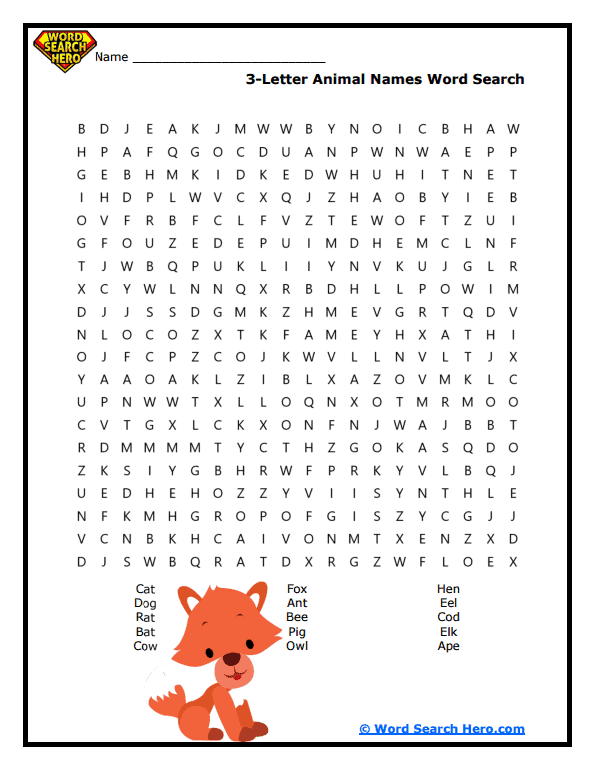
This word search features three-letter animal names, helping students recognize and recall common creatures quickly. Words like “Cat,” “Dog,” and “Fox” introduce students to familiar pets, while “Owl,” “Elk,” and “Eel” expand their knowledge of wildlife. Some animals in the list are domesticated, while others are found in various ecosystems around the world. This puzzle […]

View More
Trait Trek Word Search

Trait Trek

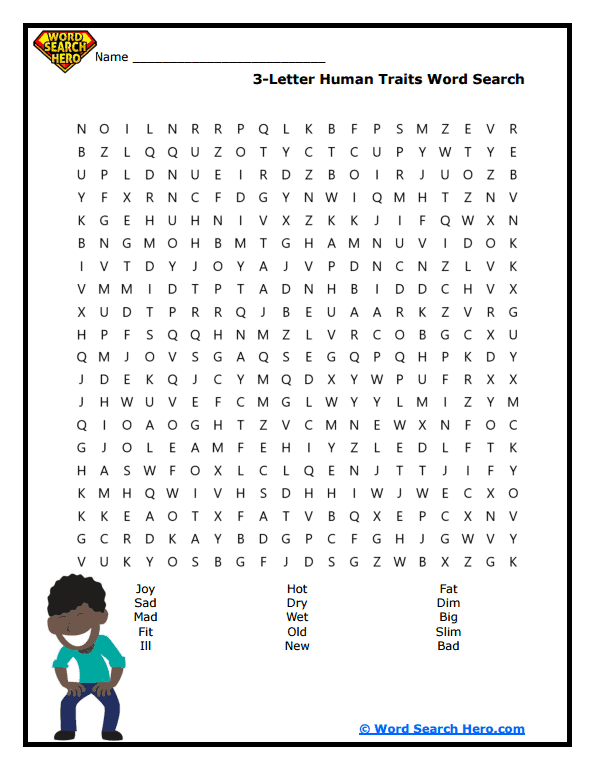
This word search introduces students to three-letter words that describe human traits and emotions. Words like “Joy,” “Mad,” and “Fit” represent both positive and negative feelings, helping students expand their emotional vocabulary. Some words, like “Hot” and “Dry,” describe physical sensations, while others, like “Dim” and “Big,” relate to perception and size. This puzzle helps […]

View More
Body Basics Word Search

Body Basics

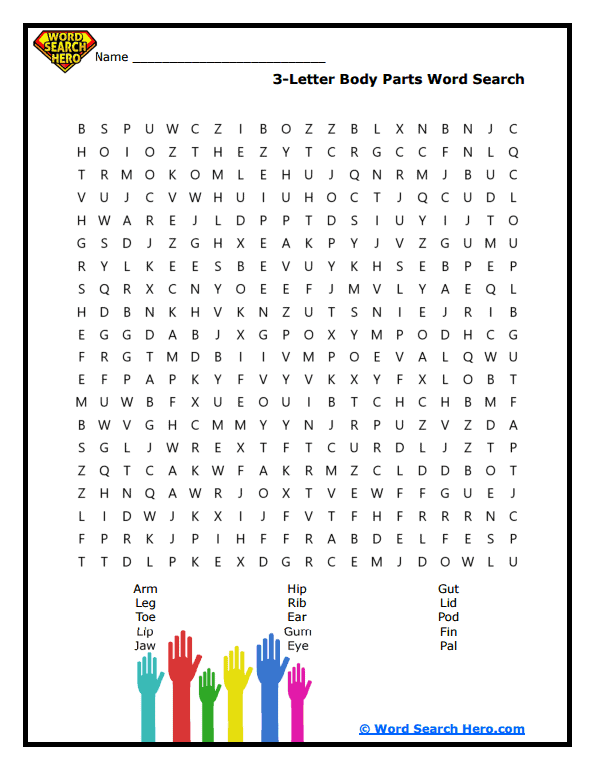
This word search helps students identify three-letter body parts. Words like “Arm,” “Leg,” and “Eye” focus on essential external body parts, while “Rib” and “Gum” introduce internal structures. Some words describe parts used for movement, while others highlight sensory functions. This puzzle is an effective way for students to learn about human anatomy in a […]

View More
Weather Whiz Word Search

Weather Whiz

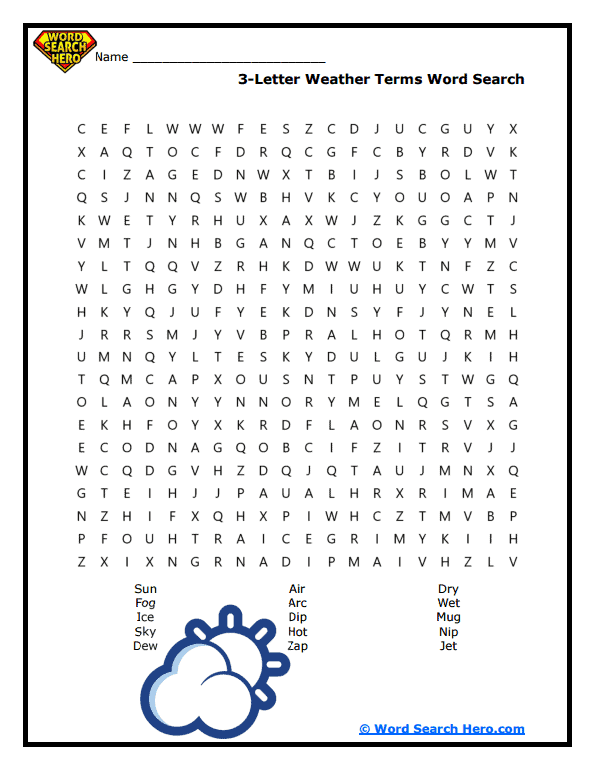
This word search contains three-letter weather-related terms. Words like “Sun,” “Fog,” and “Dew” describe different atmospheric conditions, while “Arc” and “Zap” relate to natural weather phenomena. Some words refer to moisture levels, like “Wet” and “Mug,” while others describe changes in temperature. This puzzle helps students understand key weather concepts in a fun and interactive […]

View More
Tasty Terms Word Search

Tasty Terms

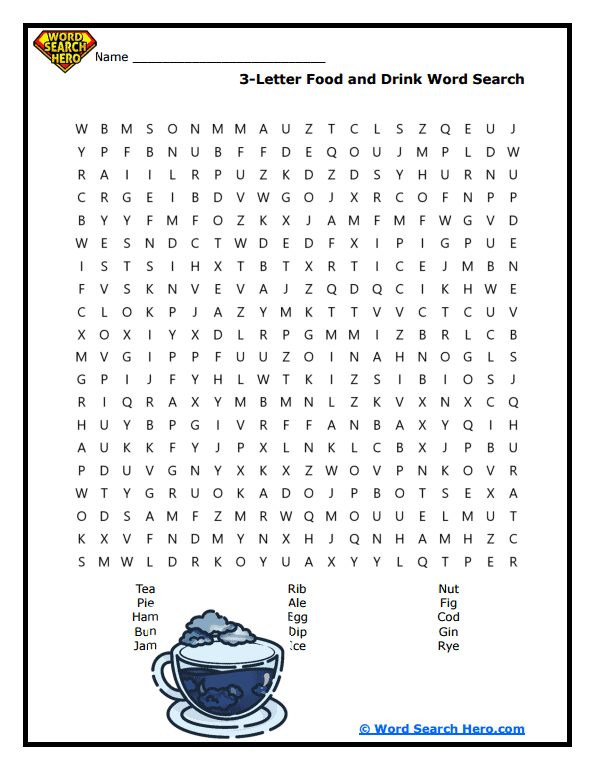
This word search introduces three-letter words related to food and drinks. Words like “Tea,” “Pie,” and “Ham” represent common foods, while “Ale,” “Gin,” and “Rye” introduce students to beverage-related vocabulary. Some words, like “Nut” and “Fig,” describe plant-based foods, while others, like “Rib” and “Cod,” relate to meat and seafood. This puzzle is a great […]

View More
Action Alley Word Search

Action Alley

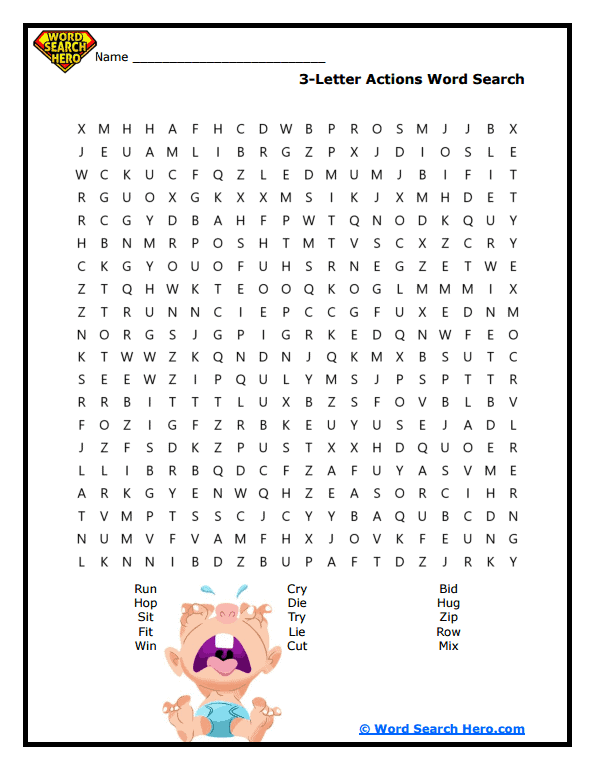
This word search introduces students to three-letter action words. Words like “Run,” “Hop,” and “Fit” describe physical movements, while “Try,” “Bid,” and “Mix” focus on cognitive or interactive actions. Some words, such as “Lie” and “Cry,” represent emotional or expressive actions. This puzzle helps students recognize simple verbs, making it easier to understand and use […]

View More
Affect Analyzer Word Search

Affect Analyzer

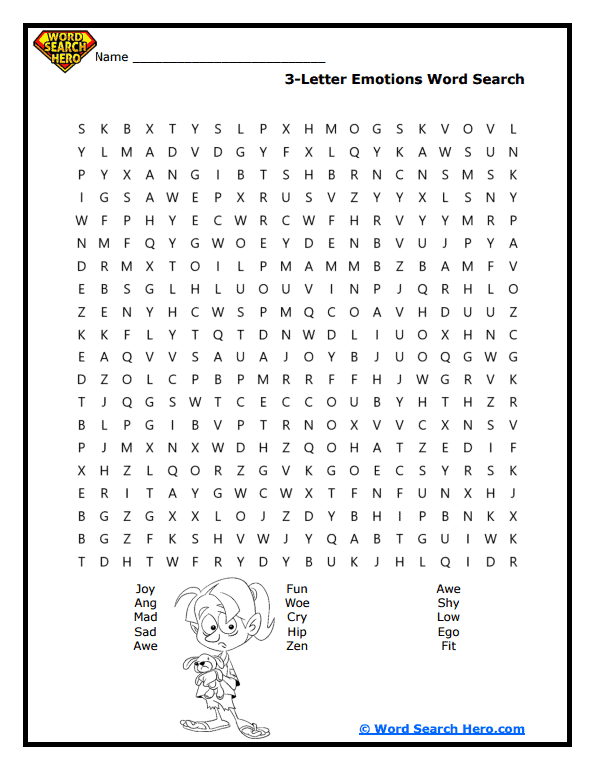
This word search focuses on three-letter words that describe emotions and feelings. Words like “Joy,” “Mad,” and “Sad” express common emotions, while “Woe” and “Zen” represent deeper emotional states. Some words, such as “Fit” and “Ego,” relate to confidence and self-perception. This puzzle is an excellent way for students to explore the vocabulary of emotions […]

View More
Time Tracker Word Search

Time Tracker

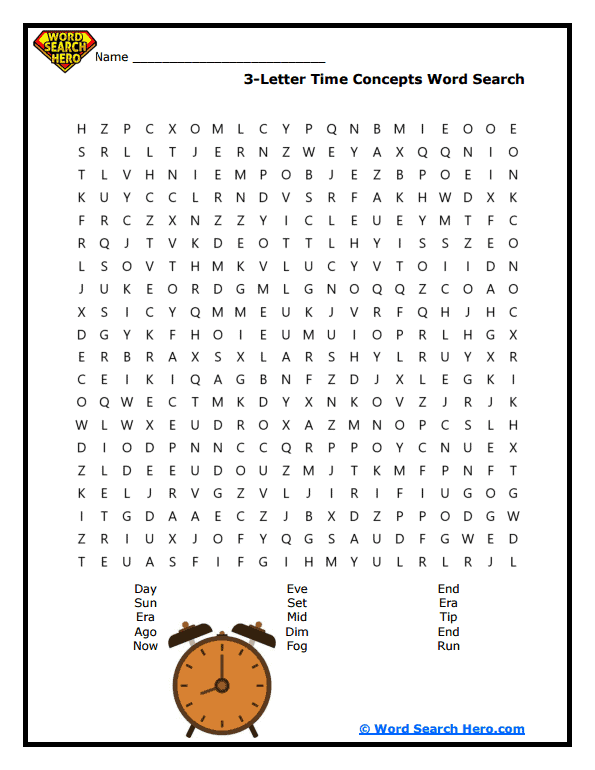
This word search introduces students to three-letter words related to time concepts. Words like “Day,” “Sun,” and “Now” represent different points in time, while “Set” and “Eve” relate to daily transitions. Some words, such as “Ago” and “Era,” describe historical or past concepts, while others like “Dim” and “End” mark changes in brightness or completion. […]

View More
Travel Terms Word Search

Travel Terms

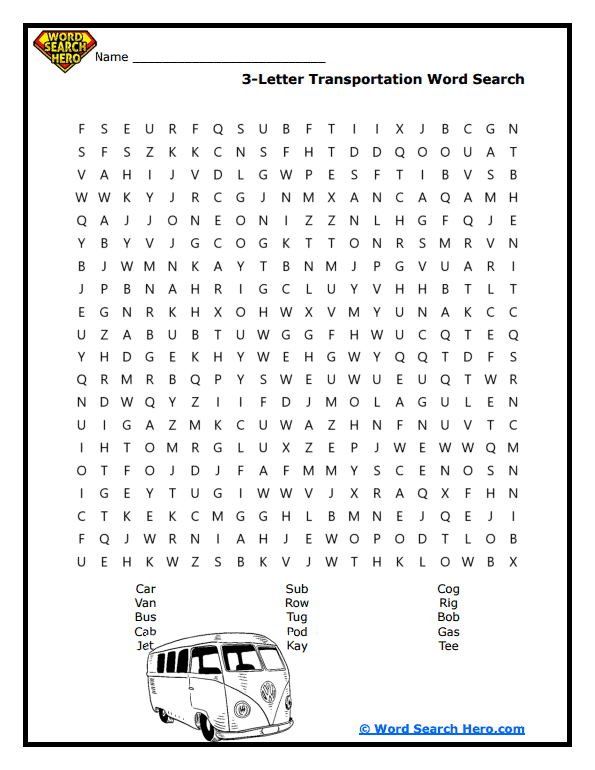
This word search contains three-letter words related to transportation and travel. Words like “Car,” “Van,” and “Bus” describe common vehicles, while “Jet” and “Tug” refer to air and water travel. Some words, like “Cog” and “Gas,” relate to mechanics and fuel sources. This puzzle helps students become familiar with transportation vocabulary in an engaging way. […]

View More
Handy Tools Word Search

Handy Tools

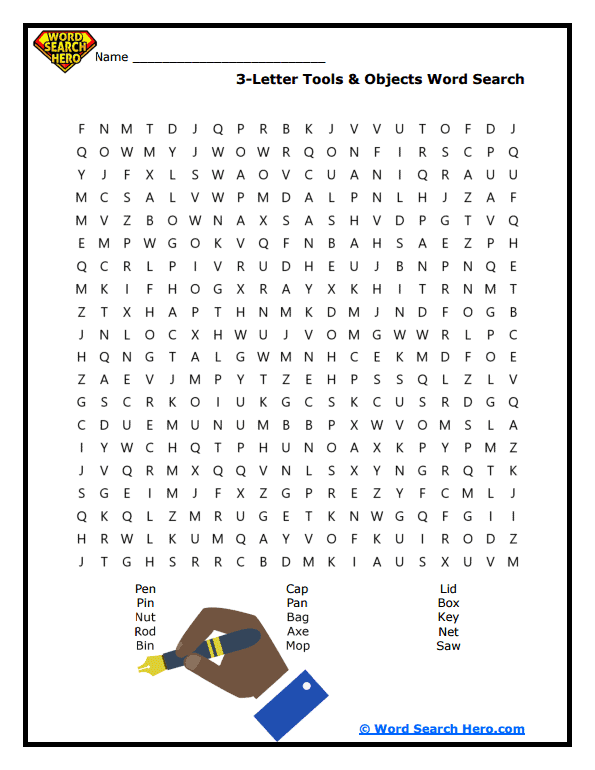
This word search introduces students to three-letter words representing tools and common objects. Words like “Pen,” “Nut,” and “Rod” describe everyday items, while “Axe” and “Saw” relate to construction tools. Some words, such as “Bin” and “Lid,” focus on storage and household objects. This puzzle is an excellent way to help students recognize common items […]

View More

About Our 3-Letter Words Word Searches

Our 3-letter word search collection is where early reading really starts to take off. These puzzles focus on short, familiar words like “cat,” “sun,” and “pen,” giving students just enough challenge to grow-without overwhelming them.

This makes them a perfect next step after basic phonics practice. Students move beyond simple recognition and begin blending sounds, tracking letter order, and building confidence with slightly longer words.

Because these words show up constantly in early reading materials, practicing them in a puzzle format strengthens both word recognition and reading fluency-all while keeping students engaged.

And best of all, students feel successful quickly. That confidence is what fuels real progress.

How Three-Letter Words Build Real Reading Momentum

Three-letter words are a turning point in literacy development.

At this stage, students shift from recognizing words to actually decoding them. Instead of memorizing, they begin to:

  • blend sounds together
  • recognize patterns
  • understand how small changes affect meaning

Words like “cat,” “bat,” and “hat” show how one letter can completely change a word. This builds awareness of word families, which is a key part of early reading success.

These puzzles reinforce that naturally.

As students search the grid, they repeatedly see similar patterns. That repetition strengthens their ability to recognize and process these words quickly-something that directly supports early reading skills and long-term fluency.

There’s also a momentum factor.

Because the words are still short, students can make steady progress. They find answers quickly, stay engaged, and build confidence-while quietly developing stronger decoding skills.

Over time, this creates a powerful shift:
Students stop guessing-and start reading with intention.

Paul’s Pro-Tip

Paul's Pro Tip For This Category

Turn the puzzle into a “pattern hunt.”

Before students start searching, have them scan the word list and look for similarities:

  • words that rhyme
  • words that share endings
  • words that differ by just one letter

Once they notice the pattern, the puzzle becomes much easier-and much more meaningful.

It also helps them start thinking like readers instead of just puzzle-solvers.

Turning These Puzzles Into a Word Family Lesson

These puzzles are the perfect starting point for teaching word families-without needing extra materials.

Start by grouping words from the puzzle:

  • cat, bat, hat
  • sun, run, fun

Ask students what they notice. Most will quickly see the pattern.

This connects directly to phonics games and helps reinforce how words are built.

Next, extend the activity:

  • Can they think of another word in the same family?
  • Can they change one letter to make a new word?

This builds flexibility and strengthens decoding skills.

You can also turn it into a writing activity:

  • Write a sentence using two words from the same family
  • Create a short story using a pattern (like “-at” words)

This connects puzzle work to writing practice and deeper understanding.

These quick extensions take just a few minutes-but they turn simple puzzles into powerful learning moments.

Frequently Asked Questions

Why are 3-letter words so important for early readers?

They’re the bridge between simple recognition and real reading. Students begin blending sounds and understanding how words are constructed, which is essential for long-term literacy.

What skill improves the most with these puzzles?

Decoding. Students learn to read words by sounding them out and recognizing patterns instead of relying on memorization.

How do word families help with reading?

They make reading more predictable. Once students recognize a pattern like “-at,” they can quickly read multiple words, which builds speed and confidence.

Are these puzzles only for beginners?

They’re best for early readers, but they can also help struggling readers who need reinforcement with basic phonics patterns.

What’s the easiest way to extend the activity?

Have students create new words from the same pattern or use them in a sentence. This turns recognition into real reading and writing practice.