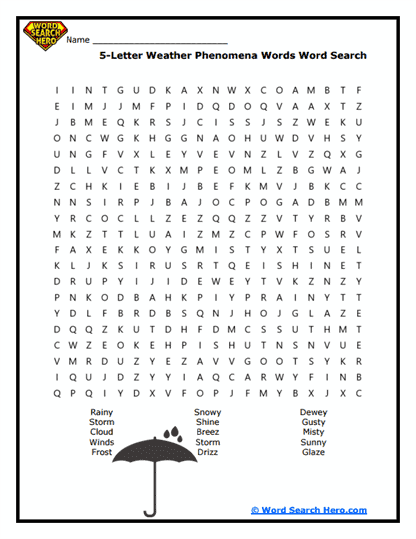
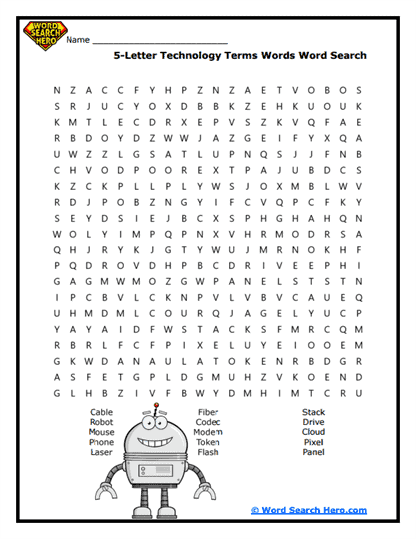
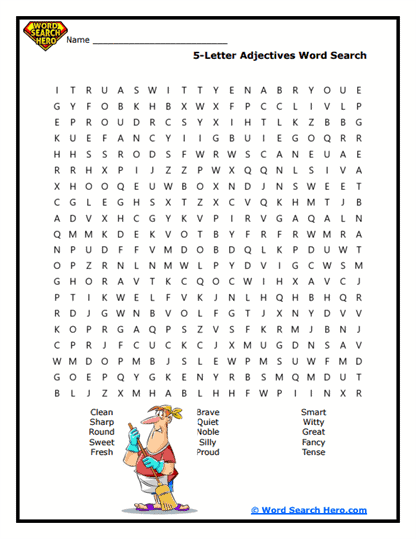
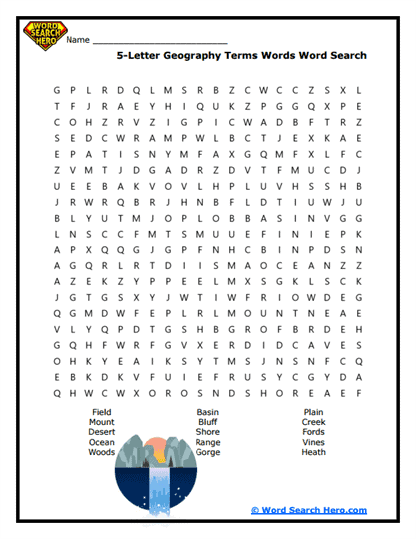
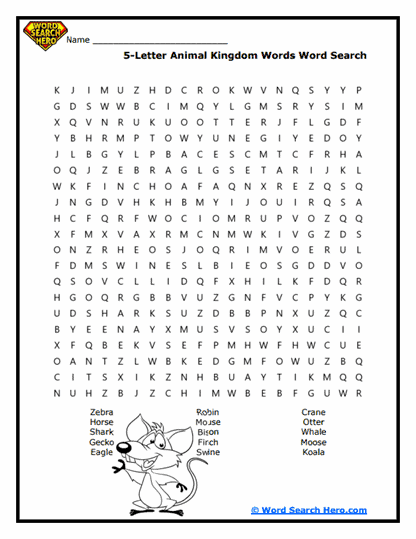
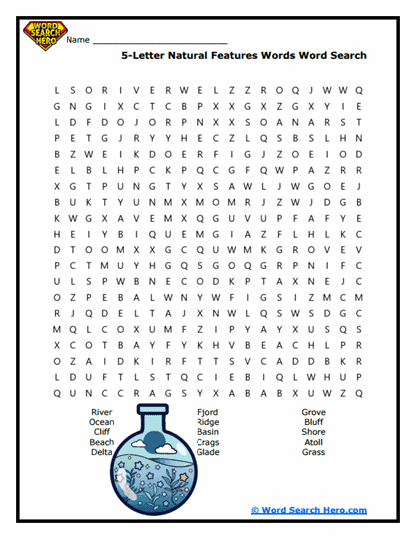
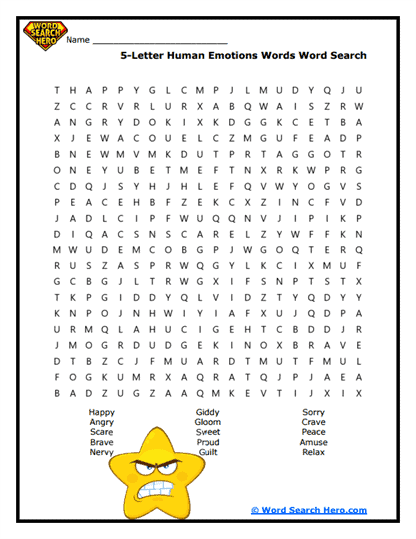
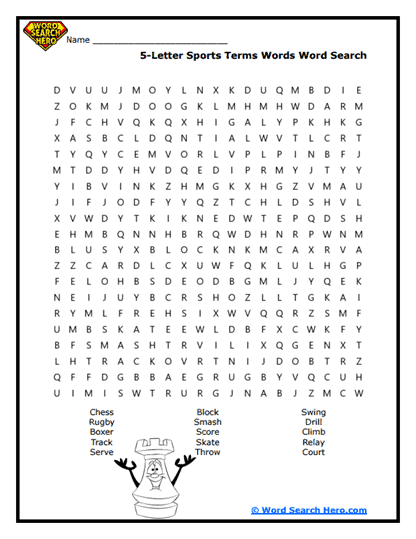
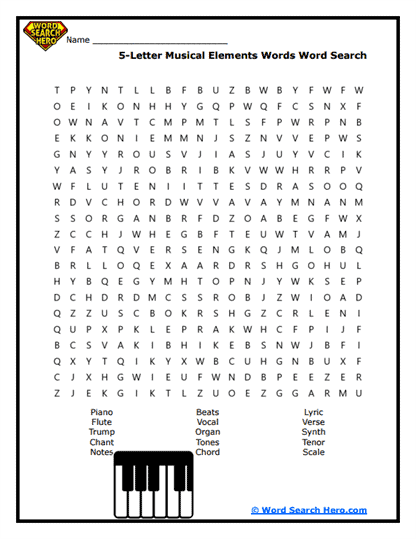
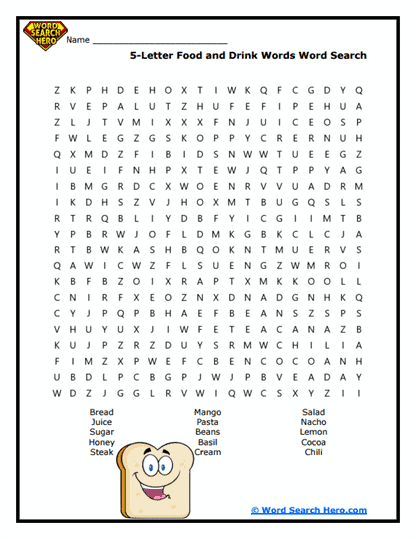
About Our 5-Letter Words Word Searches
Our 5-letter word search collection is where vocabulary practice starts to feel more meaningful and connected. These puzzles feature words like “plant,” “train,” and “smile,” giving students the perfect balance of challenge and familiarity as they continue developing their reading skills.
At this level, students are no longer just recognizing words-they’re beginning to understand how words are built. That makes these puzzles especially helpful for strengthening spelling strategies, decoding skills, and overall reading development.
Because five-letter words appear frequently in everyday language, students quickly see the value of what they’re learning. They’re not just solving puzzles-they’re building vocabulary they’ll use in real reading and writing.
Why Five-Letter Words Are Where Patterns Start to Click
Five-letter words are a major turning point in literacy.
This is where students begin to move beyond simple decoding and start recognizing patterns automatically. Instead of focusing on one letter at a time, they begin to see chunks like:
- -ain (train, brain)
- -eam (dream, steam)
- -oat (float, coat)
These patterns show up again and again in English, and recognizing them helps students read more efficiently. This connects directly to skills like word families, blends and digraphs, and vowel teams.
There’s also a shift in meaning.
Unlike shorter words, five-letter words often carry clearer ideas-objects, actions, or descriptions students can picture. That makes it easier to connect vocabulary to real-world understanding, especially in areas like nature vocabulary, everyday objects, and descriptive language.
Over time, students stop seeing words as long strings of letters-and start seeing familiar pieces they already understand.
That’s when reading begins to feel easier.
Paul’s Pro-Tip

Use the “long line scan.”
Five-letter words stretch farther across the grid, so they often appear in longer rows, columns, or diagonals.
Have students:
- Scan the longest lines first
- Say the word quietly as they search
- Look for chunks instead of individual letters
This helps their brain match patterns faster-and makes tricky words much easier to spot.
Helping Students Break Words Into Manageable Parts
One of the most valuable skills students can build at this stage is learning how to break words apart.
Start by modeling how to chunk a word:
- train → tr / ain
- smile → sm / ile
- plant → pl / ant
This reinforces syllable awareness and helps students approach longer words with confidence.
Next, connect it to the puzzle:
- Ask students to find the chunk first (like “ain”)
- Then build the rest of the word around it
This shifts their thinking from guessing to strategy.
You can also try a quick sorting activity:
- Group words by ending patterns
- Group words by vowel sounds
This builds deeper awareness of spelling patterns and helps students recognize similarities across words.
For an easy extension:
- Have students use one word in a sentence
- Or draw a quick picture to represent it
This connects vocabulary to meaning and supports writing skills and comprehension.
These small steps turn a simple puzzle into a powerful reading exercise.
Frequently Asked Questions
Why are 5-letter words such an important step?
They introduce more complex spelling patterns while still being manageable. This helps students transition from basic decoding to recognizing patterns automatically.
What skill improves the most at this level?
Pattern recognition. Students begin to see chunks of words instead of individual letters, which improves both reading speed and accuracy.
Are these puzzles good for all learners?
They’re best for developing readers, but they also work well for students who need extra practice with spelling and word structure.
How do these connect to real reading?
Five-letter words appear frequently in books and everyday language, so recognizing them quickly improves overall reading fluency and comprehension.
What’s the easiest way to extend the activity?
Have students break a word into parts or group similar words together. That simple step helps them understand how words are constructed and makes future reading easier.