Choose a topic !

6-Letter Words Word Searches

Animal Explorer Word Search

Animal Explorer

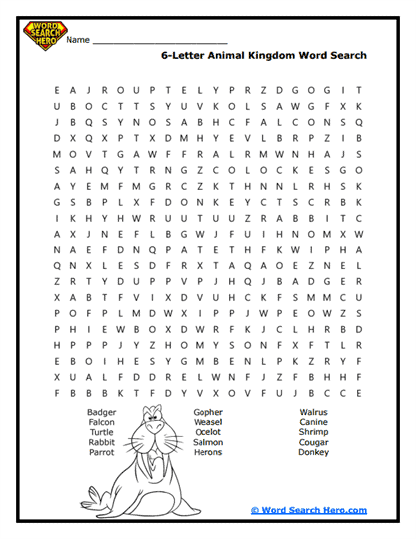
This word search focuses on six-letter animal names, helping students recognize and learn about different species. Words such as “badger,” “falcon,” “salmon,” and “donkey” cover a variety of mammals, birds, and aquatic creatures. These words introduce students to diverse wildlife, reinforcing biological and ecological concepts. By searching for and identifying these words, students develop their […]

View More
Untamed Beauty Word Search

Untamed Beauty

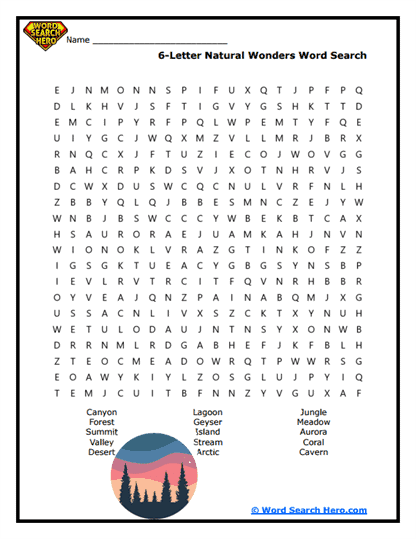
This word search highlights six-letter natural wonders found across the globe. Words such as “canyon,” “island,” “stream,” and “coral” describe different landforms and water bodies. These words help students connect with geography and environmental science. Completing this word search encourages curiosity about Earth’s diverse landscapes. Identifying geographical terms strengthens students’ vocabulary and comprehension skills. It […]

View More
Inner World Guide Word Search

Inner World Guide

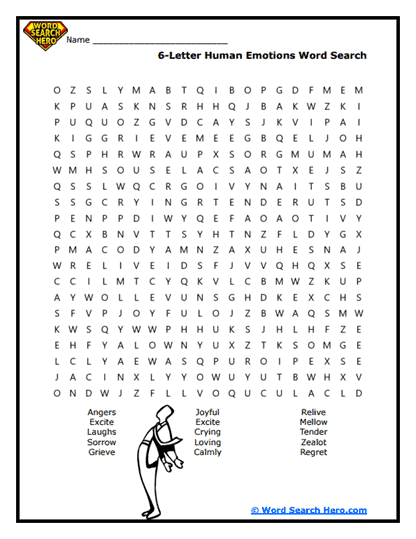
This word search introduces six-letter words describing human emotions and feelings. Words such as “anger,” “grieve,” “joyful,” and “regret” help students express emotions more precisely. These words are essential in literature, communication, and emotional intelligence. Searching for these words helps students build a broader emotional vocabulary. Expanding emotional vocabulary allows students to articulate their thoughts […]

View More
Science Seeker Word Search

Science Seeker

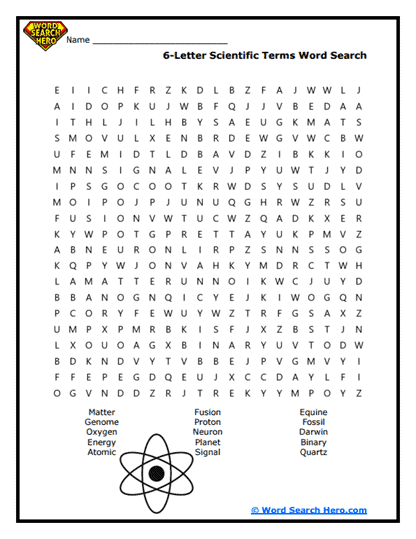
This word search features six-letter scientific terms from various fields, including physics, biology, and astronomy. Words such as “matter,” “oxygen,” “fusion,” and “neuron” introduce key scientific concepts. These terms are frequently used in textbooks, experiments, and research. Finding and identifying these words enhances students’ scientific literacy. Recognizing scientific vocabulary strengthens students’ ability to understand STEM […]

View More
Kitchen Creations Word Search

Kitchen Creations

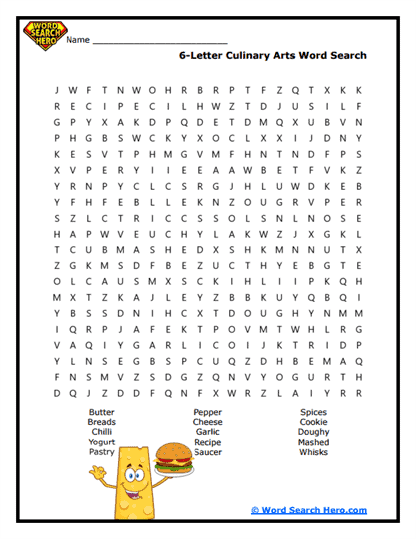
This word search introduces six-letter culinary words related to food, cooking, and baking. Words such as “butter,” “pastry,” “cheese,” and “spices” help students learn about common ingredients and kitchen essentials. These words appear frequently in recipes, menus, and food discussions. Completing this search reinforces students’ knowledge of culinary terminology. Recognizing cooking-related words enhances students’ ability […]

View More
Architecture Quest Word Search

Architecture Quest

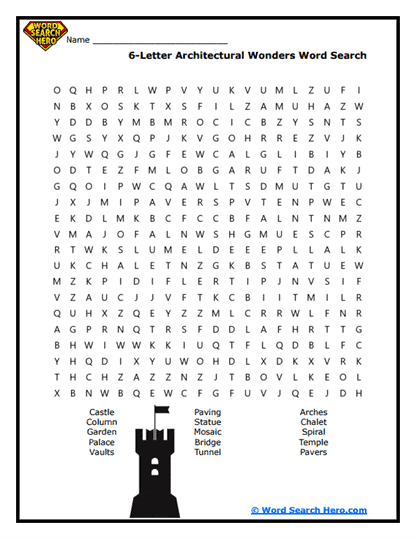
This word search features six-letter words related to famous architectural structures and elements. Words such as “castle,” “bridge,” “mosaic,” and “vaults” highlight different styles of buildings and artistic designs. These words connect to history, art, and engineering concepts. Completing this search helps students appreciate architectural wonders. Recognizing architectural terms enhances students’ understanding of world history […]

View More
Space Voyage Word Search

Space Voyage

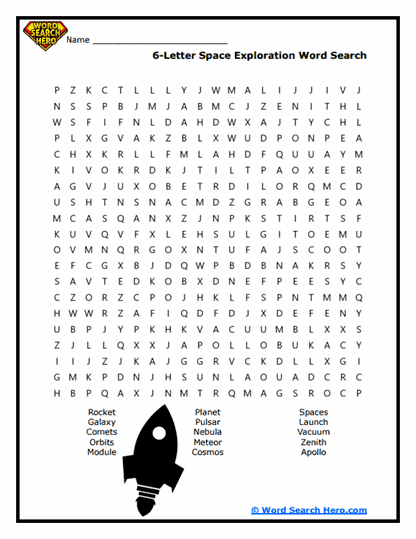
This word search introduces six-letter words related to space exploration and astronomy. Words such as “rocket,” “galaxy,” “nebula,” and “cosmos” reinforce knowledge of celestial objects and space travel. These words help students connect with scientific discoveries and space missions. Completing this word search enhances their curiosity about the universe. Identifying space-related vocabulary strengthens students’ understanding […]

View More
Genre Explorer Word Search

Genre Explorer

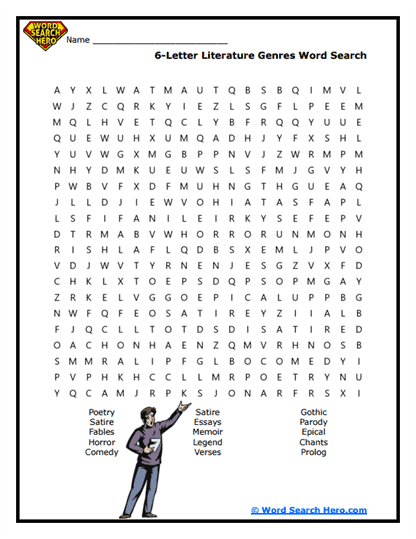
This word search focuses on six-letter words related to literature genres and writing styles. Words such as “poetry,” “memoir,” “legend,” and “gothic” introduce students to different types of storytelling. These terms are essential for understanding books, essays, and creative writing. Searching for these words helps students recognize different literary forms. Recognizing literature genres enhances students’ […]

View More
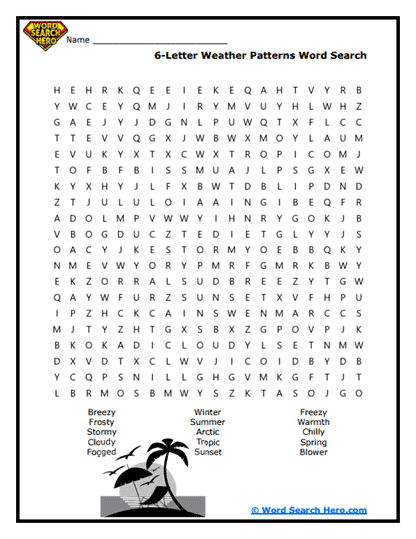
Weather Watcher Word Search

Weather Watcher

This word search introduces six-letter words related to weather patterns and seasonal changes. Words such as “breezy,” “stormy,” “arctic,” and “sunset” reinforce knowledge of different climate conditions. These words are commonly used in weather forecasts, geography, and science discussions. Completing this search helps students describe and understand atmospheric changes. Identifying weather-related words strengthens students’ ability […]

View More
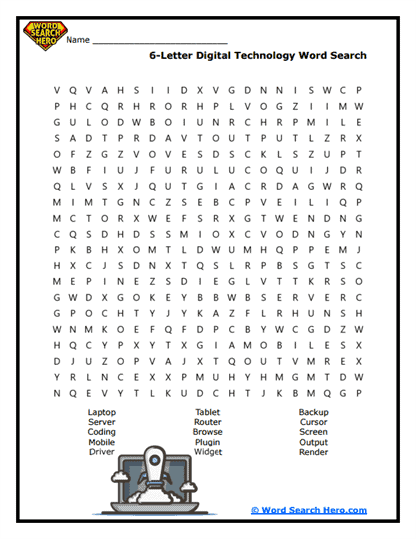
Tech Explorer Word Search

Tech Explorer

This word search features six-letter words related to digital technology and computing. Words such as “laptop,” “server,” “coding,” and “router” introduce students to essential tech terms. These words are frequently encountered in digital literacy, computer science, and IT discussions. Finding these words helps students develop a strong technology-related vocabulary. Recognizing technology terms strengthens students’ ability […]

View More

About Our 6-Letter Words Word Searches

Our 6-letter word search collection offers a satisfying step up for learners who are ready to work with longer, more meaningful vocabulary. These puzzles strike a balance between challenge and familiarity, helping students strengthen spelling, recognition, and focus while still enjoying the process.

At this stage, words are long enough to require real attention-but still manageable enough to avoid frustration. That makes these puzzles especially useful for building reading accuracy, reinforcing spelling development, and supporting stronger vocabulary retention.

Because many six-letter words appear in subjects like science, geography, and everyday reading, students also begin connecting puzzle work to real academic language.

The Sweet Spot Between Familiar and Challenging Vocabulary

Six-letter words hit a powerful learning zone.

They’re familiar enough that students recognize parts of them-but challenging enough that they can’t rely on guessing. This pushes learners to slow down and start thinking more strategically about how words are built.

Instead of reading letter-by-letter, students begin to:

  • notice chunks inside words
  • recognize familiar endings
  • use known patterns to decode unfamiliar words

This shift is key for developing stronger decoding strategies and building confidence with longer vocabulary.

You’ll often see students recognizing patterns like:

  • common endings (-ing, -er, -ed)
  • familiar beginnings (re-, un-)
  • smaller words inside larger ones

These are essential building blocks for understanding word structure and tackling more advanced reading.

Across topics like science topics, space exploration, and everyday vocabulary, students start to realize that longer words aren’t random-they’re constructed.

And once that clicks, reading becomes much easier.

Paul’s Pro-TipPaul's Pro Tip For This Category

Remind students: check backwards.

Six-letter words love to hide in reverse because our brains expect words to go left to right.

Have students:

  1. Find the first few letters
  2. Check forward
  3. Then check backward

You’ll be surprised how many “missing” words suddenly appear.

It’s one of the fastest ways to reduce frustration and build persistence.

Turning These Puzzles Into a Prefix and Suffix Lesson

Six-letter words are perfect for introducing prefixes and suffixes in a natural, low-pressure way.

Start by picking a word from the puzzle and asking:

  • Do you see a familiar ending? (-ing, -er, -ed)
  • Does the word start with something you recognize? (re-, un-)

This connects directly to prefixes and suffixes and helps students see that words are made of smaller, meaningful parts.

Next, break the word apart together:

  • runner โ†’ run + er
  • replay โ†’ re + play

This helps students understand how meaning changes when parts are added.

You can also turn this into a quick sorting activity:

  • group words with similar endings
  • group words with similar beginnings

This reinforces patterns and builds stronger spelling strategies.

For an easy extension:

  • ask students to create a new word using the same prefix or suffix
  • or use the word in a sentence

This ties into writing practice and helps move from recognition to real understanding.

These simple steps turn a word search into a meaningful language lesson-without adding extra prep.

Frequently Asked Questions

Why are 6-letter words an important learning step?

They introduce more complex patterns and structures while still being manageable. This helps students transition from basic decoding to more advanced reading strategies.

What skill improves the most at this level?

Pattern recognition and word structure awareness. Students begin seeing chunks inside words instead of processing every letter individually.

Are these puzzles good for upper elementary students?

Yes. They’re especially useful for students who are ready to work with longer vocabulary but still benefit from structured practice.

How do these puzzles support real reading?

They expose students to words commonly found in academic subjects, helping them feel more confident when encountering similar vocabulary in books.

What’s the best way to extend the activity?

Focus on prefixes and suffixes. Even a quick discussion about word parts can significantly improve understanding and decoding skills.