Choose a topic !

8-Letter Words Word Searches

Cinema Quest Word Search

Cinema Quest

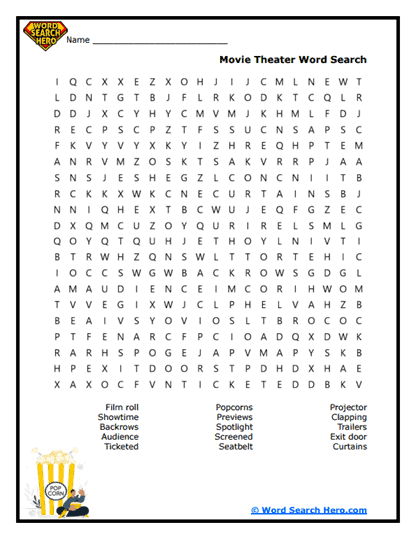
This word search highlights vocabulary related to a movie theater experience. Students will find words like “Film roll,” “Popcorns,” and “Curtains,” which evoke the lively, immersive atmosphere of cinema outings. The search encourages familiarity with terms used in movie production, theater setup, and audience behavior. It’s a fun way to reinforce theater-related language while engaging […]

View More
Kitchen Craze Word Search

Kitchen Craze

This word search focuses on food and kitchen craft vocabulary, bringing tasty treats and cooking terms into the spotlight. Students search for delicious words like “Tiramisu,” “Cupcakes,” and “Brownies,” along with more practical kitchen items like “Flatware” and “Cookbook.” It helps students associate foods and kitchen tools with their correct spellings and usage. This playful […]

View More
Travel Days Word Search

Travel Days

This word search is packed with vocabulary centered around global travel and adventure. Students will explore terms like “Airplane,” “Passport,” “Landmark,” and “Seaports,” promoting a sense of wanderlust and world exploration. The worksheet captures the essentials of planning trips, moving between places, and experiencing new cultures. It makes travel-themed language fun and accessible. Solving this […]

View More
Space Chase Word Search

Space Chase

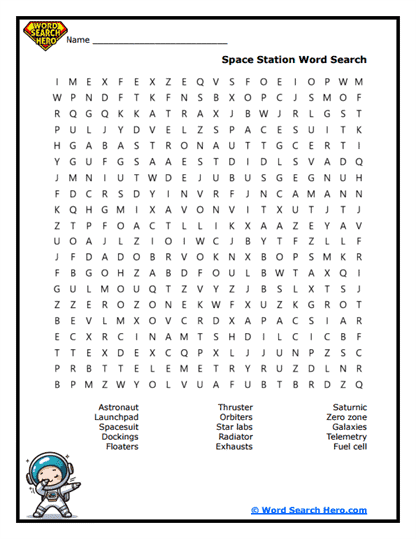
This word search launches students into the fascinating world of space exploration. With vocabulary like “Astronaut,” “Dockings,” “Thruster,” and “Zero zone,” the worksheet introduces key terms from space science and technology. Students learn about components of space stations and the challenges astronauts face. It fuels interest in astronomy and STEM fields through playful language learning. […]

View More
Build Break Word Search

Build Break

This worksheet introduces students to essential construction tools and site-related terms. Vocabulary like “Jackhammer,” “Scaffold,” “Hardhats,” and “Blueprint” guides them through the world of building and construction. The terms provide an overview of jobs and equipment found at a construction site. It connects language learning with real-world industries and skilled trades. Students enrich their vocabulary […]

View More
Action Sports Word Search

Action Sports

This lively word search energizes students with sports and athletic vocabulary. Words like “Baseball,” “Sprinter,” “Wrestler,” and “Speedway” bring the dynamic world of physical competitions into focus. It introduces different sports, movements, and positions used in athletic events. This word search encourages an appreciation for physical fitness and sporting culture. Searching for sports terms reinforces […]

View More
Curiosity Catalysts Word Search

Curiosity Catalysts

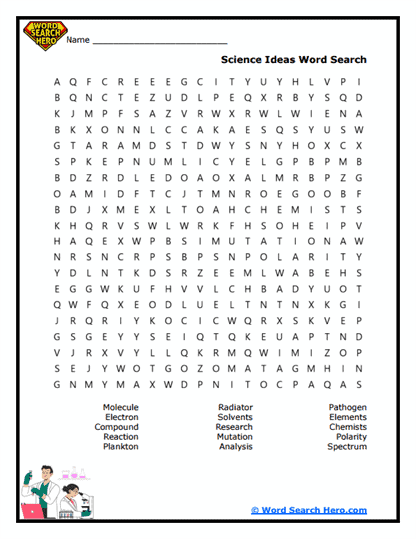
This scientific-themed word search explores chemistry, biology, and general science ideas. Vocabulary such as “Molecule,” “Solvents,” “Mutation,” and “Spectrum” introduces scientific principles and lab terminology. It builds students’ familiarity with key science concepts and processes. This worksheet creates excitement about the world of scientific discovery. Working through this sheet strengthens science vocabulary and prepares students […]

View More
City Stroll Word Search

City Stroll

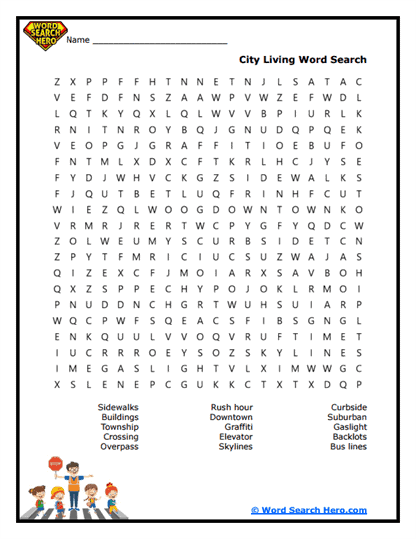
This city-themed word search helps students navigate the bustling urban world through words. Vocabulary like “Sidewalks,” “Graffiti,” “Skylines,” and “Suburban” captures the cityscape and its diverse environments. It fosters an understanding of urban infrastructure and culture. Students learn new terms that paint vivid pictures of busy city life. Finding urban-themed words enhances vocabulary about city […]

View More
Emotion Explosions Word Search

Emotion Explosions

This word search dives into the complex world of human emotions and feelings. Students search for words like “Grateful,” “Jealousy,” “Pleasure,” and “Tearful,” learning to recognize and name various emotions. The terms encourage empathy and emotional intelligence development. It provides an engaging way to explore emotional literacy. This worksheet strengthens emotional vocabulary, vital for personal […]

View More
Library Lore Word Search

Library Lore

This book-themed word search explores terms linked to libraries, books, and reading culture. Words like “Bookshelf,” “Magazine,” “Glossary,” and “Catalogs” connect students to the tools and materials used in libraries. It highlights reading resources and the organization of knowledge. Students gain a deeper appreciation for reading spaces and research. The worksheet helps students build library […]

View More

About Our 8-Letter Word Searches

Dive into a world where each puzzle is a new adventure. Our 8-letter word searches are meticulously crafted to provide both entertainment and educational value. From common words to more complex vocabulary, these puzzles are perfect for enhancing your language skills while having fun.

Each puzzle is themed, offering a cohesive and engaging experience. Whether you’re interested in animals, professions, or abstract concepts, there’s a puzzle tailored to your interests. This thematic approach not only makes the puzzles more enjoyable but also aids in contextual learning, helping you remember new words more effectively.

Our puzzles are suitable for all ages, making them a great activity for family game nights, classroom exercises, or solo challenges. They are designed to be both fun and beneficial, promoting cognitive development and language proficiency.

Engaging with 8-letter word searches offers more than just entertainment; it’s a powerful tool for enhancing literacy skills. By focusing on words of a specific length, students can develop a deeper understanding of word structures and patterns. This practice aids in vocabulary expansion, spelling accuracy, and reading fluency.

The process of searching for words within a grid enhances visual scanning abilities and attention to detail. It encourages students to recognize letter sequences and word formations, which are crucial skills in both reading and writing. Additionally, the thematic nature of our puzzles introduces students to new concepts and terminologies, broadening their knowledge base.

Fun Facts About 8-Letter Words

1. “Feedback” Contains the First Six Letters of the Alphabet – Coincidence? We Think Not.

Who knew “feedback” was basically a sneak preview of the alphabet? Yep, it cheekily packs A, B, C, D, E, and F all in a row, like it’s showing off at a spelling bee. It’s the kind of word that screams, “I was born to be in education!” Or maybe it’s just trying to butter us up before giving us bad news-“Your singing was… well, here’s some feedback.” Alphabetically-inclined and brutally honest. Multitalented.

2. “Deeded” is the D and E Show-Starring No One Else.

“Deeded” is the linguistic equivalent of a rerun-just D and E on repeat, like they couldn’t afford to hire other letters. It’s a real estate word too, which makes sense because every time you say it out loud, it sounds like a toddler trying to explain property law. “I deeded it to him!” It might not win any awards for variety, but hey, it’s efficient. If economy of letters was a sport, “deeded” would be the gold medalist.

3. “Alphabet” Is Greek for ‘Nerdy Cool.’

The word “alphabet” comes straight from the OG scholars-the Greeks. It’s a mashup of “alpha” and “beta,” the first two letters of their alphabet, which is like naming your firstborn “One Two” just to make a point. These guys weren’t just inventing democracy and philosophy-they were busy branding the building blocks of language. You’ve got to respect a civilization that made even spelling sound sophisticated.

4. “Daisy” Literally Means “Day’s Eye” and It’s Kind of Adorable.

Once upon a time, Old English folks stared at flowers and thought, “Hey, that one looks like the sun… let’s call it the day’s eye!” Hence, “dรฆgeseage” (which sounds like a sneeze with a medieval accent) morphed into “daisy.” It opens in the morning, closes at night, and generally behaves better than most teenagers. It’s not just a flower-it’s a poetic reminder that some words were invented by people with too much time and excellent observation skills.

5. “Listen” and “Silent” Are Anagrams-And Maybe a Life Lesson?

Take the letters in “listen,” shuffle them around a bit, and-voilร -you get “silent.” Coincidence? We think not. It’s the universe whispering (silently, of course), “Hey, maybe shut up and pay attention.” These twin words are basically linguistic siblings who snuck into different careers-one became a motivational poster, the other an introvert. They’re proof that letters, like people, can do amazing things when rearranged properly.

6. “Misspelled” Is the Most Ironic Word in the Dictionary.

Let’s be honest-if you’ve ever typed “mispelled” into a search engine while trying to figure out how to spell “misspelled,” you’re not alone. The word itself feels like a trap, like it was invented by English teachers just to catch us slipping. It’s the verbal equivalent of a banana peel on a spelling test. The irony is delicious, and honestly, it should come with a warning label: “Spelling hazard ahead!”

7. “Poecilonym” is a Synonym for “Synonym”-Because Why Not Be Extra?

Yes, “poecilonym” is a real word. No, it doesn’t need to exist. But it does, and it’s here to remind us that the English language is like an overachieving roommate-it just can’t stop adding new stuff we didn’t ask for. Instead of just saying “synonym,” someone decided we needed a fancier, less pronounceable version. It’s the tuxedo of synonyms-completely unnecessary but weirdly impressive.