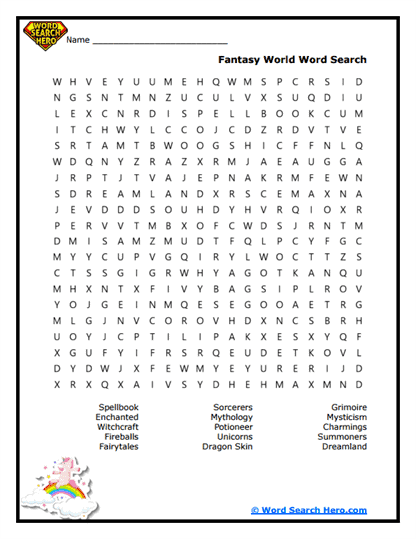
About Our 9-Letter Words Word Searches
Our 9-letter word search collection is designed for learners who are ready to take on a bigger vocabulary challenge. These puzzles introduce longer, more complex words that push students to slow down, think strategically, and engage more deeply with spelling and structure.
At this level, students are strengthening skills that go beyond basic reading. They’re improving context clues, building confidence with academic vocabulary, and developing the focus needed for longer words found in subjects like history lessons, science texts, and informational reading.
Because these words are longer, students must pay closer attention to letter order and structure. That added challenge helps build accuracy, persistence, and real reading confidence.
When Big Words Stop Feeling Overwhelming
Nine-letter words can look intimidating at first-but this is where an important shift happens.
Instead of seeing one long, complicated word, students begin to recognize smaller, familiar parts inside it. They might notice:
- a prefix at the beginning
- a suffix at the end
- a familiar chunk in the middle
That’s when the word becomes manageable.
This shift supports stronger decoding strategies and helps students approach new vocabulary with curiosity instead of hesitation.
For example, a long word might break down into:
- a beginning they recognize
- a root they’ve seen before
- an ending that gives a clue about meaning
Once students realize they don’t have to read the whole word at once, everything changes.
These puzzles reinforce that naturally. As students scan the grid, they repeatedly encounter patterns and chunks. Over time, they begin spotting these quickly-something that supports both reading confidence and long-term vocabulary growth.
Across themes like career exploration, STEM vocabulary, and creative topics like mythology and travel, students also see how these bigger words connect to real-world ideas.
Paul’s Pro-Tip

Look for the “anchor” part of the word.
Instead of searching for all nine letters, find the part that stands out:
- an unusual letter (like v or y)
- a common ending (like -tion)
- a unique letter combination
Once you spot that anchor, the rest of the word becomes much easier to build around.
Big words get a lot less intimidating when you stop chasing the whole thing.
Easy Extensions That Build Independence With Vocabulary
These puzzles are a great starting point-but independence grows when students begin applying what they’ve learned.
Start by asking students to break a word into parts:
- What part do you recognize?
- Can you find a prefix or suffix?
This reinforces word analysis skills and helps students approach new vocabulary with a plan.
Next, connect the word to meaning:
- Where might you see this word?
- What subject does it relate to?
This is especially useful for words tied to geography activities, science, or everyday topics.
You can also try a quick independence-building activity:
- Have students explain the word in their own words
- Or use it in a sentence
This strengthens written expression and helps move from recognition to understanding.
For a simple challenge:
- Ask students to find a smaller word hidden inside the larger one
This builds flexibility and reinforces pattern recognition.
These small steps encourage students to take ownership of their learning-turning a puzzle into a tool for real growth.
Frequently Asked Questions
Are 9-letter words too difficult for most students?
They can be challenging at first, but that’s what makes them valuable. With the right strategies, students quickly learn how to break them into manageable parts.
What skill improves the most at this level?
Word structure awareness and independence. Students begin approaching unfamiliar words with strategies instead of guessing.
How do these puzzles support real reading?
They expose students to longer words commonly found in academic texts, helping those words feel more familiar over time.
Can these puzzles help build confidence?
Yes. Successfully finding longer words gives students a strong sense of accomplishment, which encourages persistence.
What’s the best way to extend the activity?
Have students break words apart, explain them, or use them in context. These simple steps help turn recognition into true understanding.