Choose a topic !

Australian Slang Word Searches

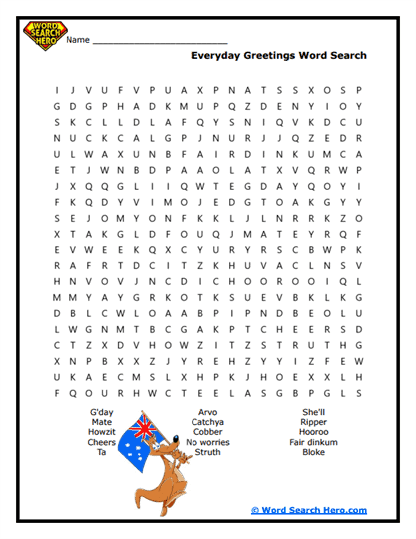
Aussie Greetings Word Search

Aussie Greetings

This word search focuses on common Australian greetings and expressions. The words included are informal and often used in everyday Australian conversations. Words like “G’day,” “Mate,” and “Cheers” reflect the friendly and laid-back nature of Australian culture. Students will enjoy finding these words and learning more about their meanings and context. This activity helps students […]

View More
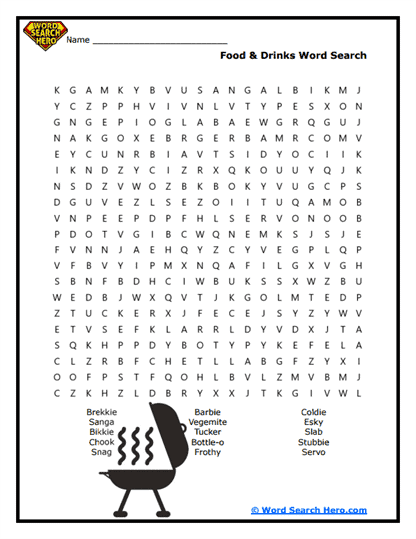
Aussie Bites Word Search

Aussie Bites

This word search contains vocabulary related to Australian food and drink. It includes words like “Brekkie” (breakfast), “Sanga” (sandwich), and “Vegemite,” which are staples in Australian cuisine. The terms reflect the unique and informal way Australians refer to common foods and drinks. Completing this word search helps students recognize and understand these words in context. […]

View More
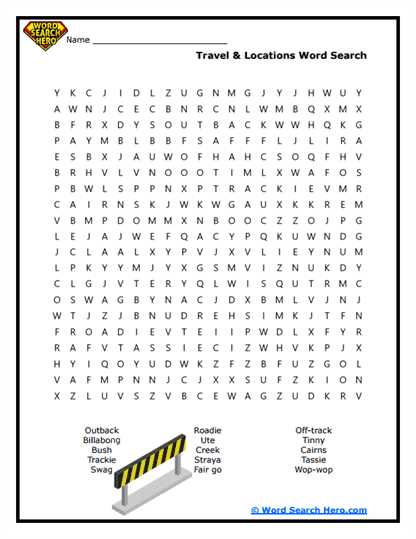
Travel Talk Word Search

Travel Talk

This word search highlights words associated with Australian travel and locations. Words like “Outback,” “Billabong,” and “Swag” capture the essence of the Australian landscape and adventure culture. The vocabulary introduces students to terms used by Australians when discussing travel. This activity allows learners to connect words with real-world places and experiences. The word search promotes […]

View More
Aussie Weather Word Search

Aussie Weather

This word search focuses on weather and nature-related words commonly used in Australia. Words like “Bushfire,” “Cyclone,” and “Downunder” reflect the country’s unique climate and conditions. The list also includes slang terms like “Blowy” (windy) and “Brolly” (umbrella). Students will enjoy learning these expressions while developing a better understanding of Australian weather patterns. This activity […]

View More
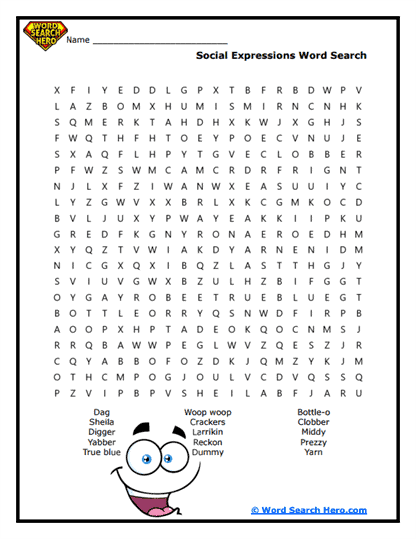
Slang Chat Word Search

Slang Chat

This word search features Australian social expressions and slang. Words like “Dag,” “Reckon,” and “Dummy” reflect the informal way Australians communicate. Some words have humorous connotations, while others represent everyday interactions. Students will find this word search both entertaining and educational. This activity helps students become familiar with colloquial language and informal speech. Searching for […]

View More
Humor & Insults Word Search

Humor & Insults

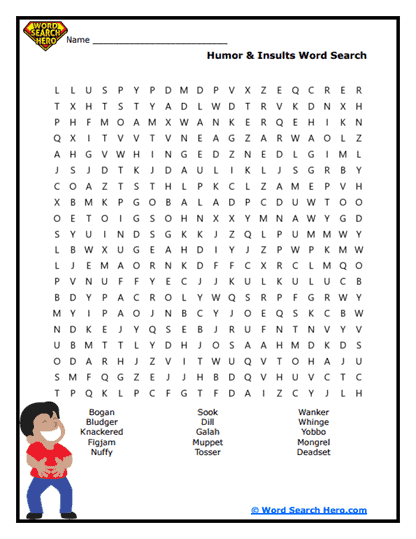
This word search contains humorous and playful Australian slang used for jokes and mild insults. Words like “Bogan,” “Muppet,” and “Tosser” are often used informally in teasing or joking contexts. The vocabulary reflects the lighthearted and humorous side of Australian communication. This activity allows students to explore the fun aspects of language while learning about […]

View More
Sports Craze Word Search

Sports Craze

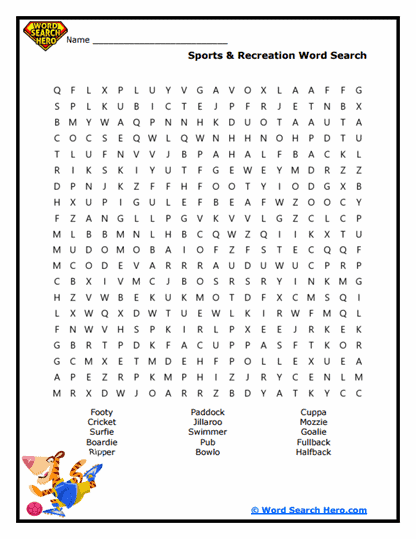
This word search includes words related to Australian sports and recreation. Terms like “Footy,” “Cricket,” and “Surfer” represent popular activities in Australian culture. The vocabulary highlights different sports and recreational terms unique to the country. Completing this activity helps students learn about Australia’s passion for sports. The word search improves spelling and word recognition while […]

View More
Work Words Word Search

Work Words

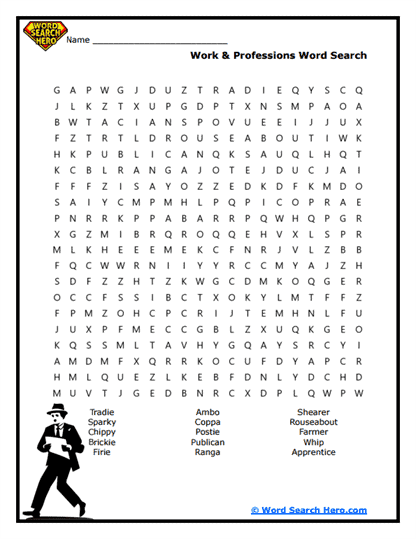
This word search features vocabulary related to Australian jobs and professions. Words like “Tradie,” “Sparky,” and “Brickie” are common Australian terms for different trades. It highlights a variety of occupations, including those unique to Australian culture. This activity helps students become familiar with job-related terms in an engaging way. This activity strengthens vocabulary and word […]

View More
Aussie Rides Word Search

Aussie Rides

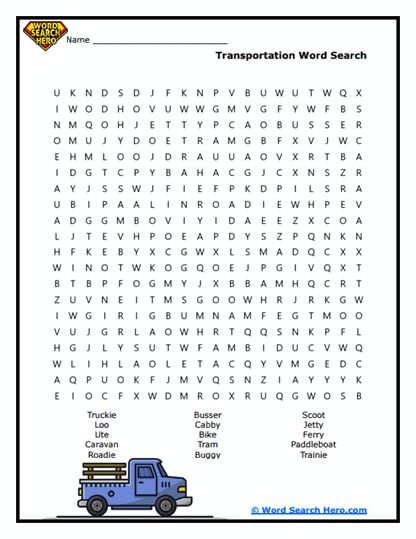
This word search covers transportation-related vocabulary used in Australia. Words like “Truckie,” “Ute,” and “Roadie” represent different vehicles and modes of travel. The terms reflect Australian slang and practical transportation needs. Students will enjoy learning new words associated with movement and travel. This activity strengthens word recognition and introduces students to regional transportation terms. It […]

View More
Fashion Finds Word Search

Fashion Finds

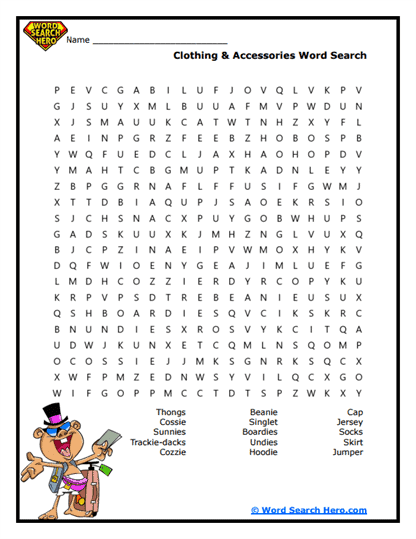
This word search includes Australian slang related to clothing and accessories. Words like “Thongs,” “Cozzie,” and “Boardies” highlight unique fashion terms in Australian English. The vocabulary represents common casual and beachwear styles. This activity introduces students to clothing-related words in an engaging way. The word search enhances vocabulary by teaching students regional fashion terms. It […]

View More

About Our Australian Slang Word Searches

Our Australian Slang Word Searches bring a fun cultural twist to printable puzzles by highlighting informal expressions commonly heard in Australia. These puzzles introduce learners to the playful, colorful side of language while still strengthening reading, spelling, and pattern-recognition skills. Whether used in classrooms, homeschool settings, or as a relaxing brain activity at home, they offer an engaging way to explore vocabulary through culture.

Australian slang is known for being creative, humorous, and often shortened from longer words. Many expressions come from everyday life, sports, travel, and friendly conversation. When students encounter these terms in a puzzle, they often become curious about what the words mean and how they are used. That curiosity can lead to interesting discussions about language differences around the world.

Teachers frequently use cultural vocabulary puzzles to spark interest in geography, global communication, or language studies. Parents and homeschool educators also enjoy these activities because they combine learning with discovery. A simple puzzle can turn into a conversation about Australian culture, accents, and everyday expressions.

As learners search the puzzle grid, they strengthen visual scanning skills, attention to spelling, and letter-pattern recognition. Even when a slang term is unfamiliar, the process of locating it in the puzzle reinforces its spelling and structure. This repeated exposure helps students become more confident readers and more curious language explorers.

Australian slang puzzles provide a lighthearted way to connect vocabulary practice with cultural learning, making the activity both educational and memorable.

A Window Into Australian Culture

Language is one of the most interesting ways to explore another culture, and Australian slang is full of personality. Many expressions grew out of everyday life in Australia and reflect the country’s relaxed, friendly style of communication. Some slang words shorten longer terms, while others add playful endings or humorous twists.

When students encounter these expressions in a puzzle, they quickly realize that English can sound very different depending on where it is spoken. Words used casually in Australia might sound unfamiliar to someone in another English-speaking country. That difference makes the activity a great starting point for conversations about global communication.

Teachers often use puzzles like these to support geography or culture units. After completing the word search, students might look up the meanings of the slang terms, compare them with expressions used in their own region, or discuss how language changes over time.

The puzzle format keeps the activity relaxed and enjoyable while still supporting language development. As learners search for each slang word in the grid, they practice concentration, spelling recognition, and pattern tracking. These skills support reading fluency and word awareness in everyday learning.

Activities like this remind students that language is alive and constantly evolving. Exploring expressions from another country can make vocabulary study feel less like memorization and more like a cultural adventure.

Paul’s Pro-Tip

If students run into a slang word they’ve never heard before, don’t rush to explain it right away.Paul's Pro Tip For This Category

Let them guess the meaning first based on how it sounds. Kids are surprisingly good at making smart guesses, and the guesses are usually hilarious too.

After that, reveal the real meaning and see how close they were. It turns the puzzle into a mini detective game and gets everyone thinking about how words carry clues about their meaning.

And trust me-students remember a word much better after they’ve laughed about it.

Comparing Slang Around the World

Australian slang offers a great opportunity for learners to compare language from different regions. Even though many countries speak English, everyday expressions can vary widely. Words that sound perfectly normal in Australia might be unfamiliar in the United States, the United Kingdom, or Canada.

This makes slang puzzles a useful tool for teaching language awareness. Students begin to see that vocabulary is shaped by culture, history, and local habits. A word might reflect popular sports, regional food, local humor, or even the way people shorten words in casual conversation.

Teachers sometimes extend the puzzle activity by asking students to create a comparison list. After finishing the puzzle, students can match each slang term with its more formal meaning or find a similar expression used in their own region. This helps learners understand how the same idea can be expressed in different ways depending on the audience.

These comparisons also strengthen vocabulary flexibility. Instead of relying on one familiar word, students learn that language offers many options for expressing the same idea. That skill is especially useful in writing, communication, and reading comprehension.

By exploring slang from another country, students gain a better appreciation for the diversity of English. The puzzle becomes more than just a word search-it becomes a small exploration of culture, communication, and the creativity of language.

Frequently Asked Questions

What are Australian slang word searches?

These are printable word search puzzles that feature informal expressions commonly used in Australia.

Are these puzzles educational?

Yes. They help build spelling skills, vocabulary recognition, and cultural awareness while keeping learning fun.

Can teachers use these puzzles in the classroom?

Absolutely. They work well in language arts, geography lessons, cultural studies, or as enrichment activities.

Are these puzzles useful for homeschool learning?

Yes. They are easy to print and can lead to engaging discussions about language, culture, and global communication.

Why explore slang from other countries?

Learning slang from different regions helps students understand how language changes across cultures and encourages curiosity about the world.