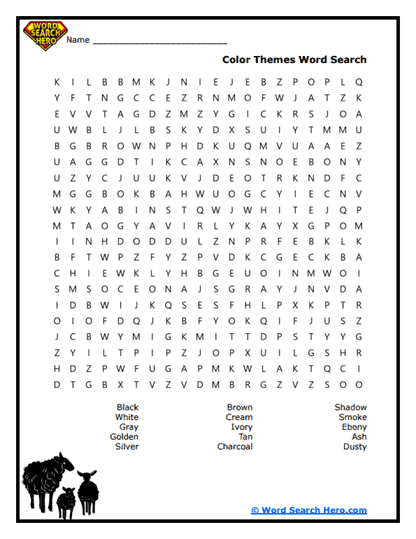
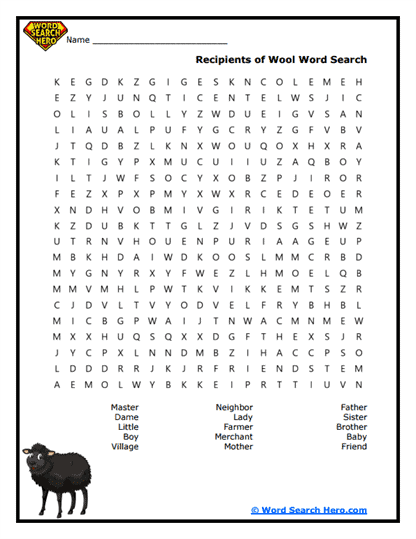
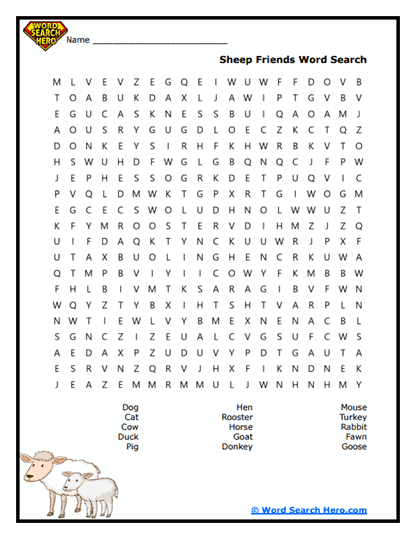
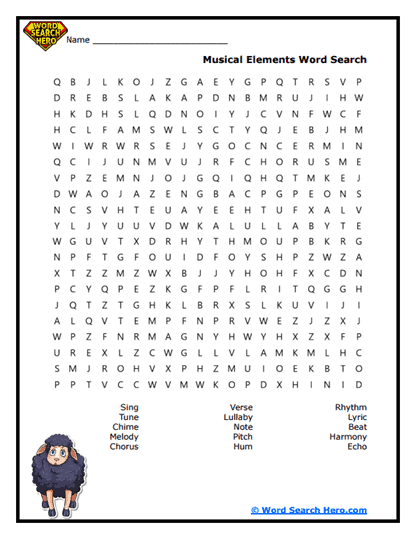
About Our Baa Baa Black Sheep Word Searches
Our Baa Baa Black Sheep Word Searches collection turns one of the most recognizable nursery rhymes into a fun and engaging printable puzzle activity. Based on the classic rhyme that generations of children have learned and recited, these puzzles help young learners explore familiar words while strengthening important reading and spelling skills.
Nursery rhymes are often one of the first forms of literature children experience. Their rhythm, repetition, and playful storytelling make them easy to remember and enjoyable to repeat. By transforming the rhyme Baa Baa Black Sheep into a word search activity, students get to interact with vocabulary from the rhyme in a hands-on way.
Teachers, parents, and homeschool educators often use word searches because they combine entertainment with meaningful literacy practice. As students search the puzzle grid for words connected to the rhyme-such as sheep, wool, bag, master, dame, lane, and farm-they improve spelling recognition, expand vocabulary, and build reading confidence.
These puzzles work well in many learning environments. Teachers may use them as morning warm-ups, literacy center activities, or early-finisher tasks during nursery rhyme units. Homeschool families can include them in early reading lessons or poetry studies. They also work wonderfully as quiet independent activities at home.
Word searches also help develop focus and visual scanning skills. Students carefully search rows, columns, and diagonals to locate hidden words, strengthening attention to detail and pattern recognition.
Because Baa Baa Black Sheep is short, rhythmic, and widely known, students often feel comfortable working with the vocabulary from the rhyme. The puzzle format turns this familiar verse into an interactive learning activity that feels playful while reinforcing literacy skills.
The Story and Meaning Behind the Rhyme
Baa Baa Black Sheep is one of the oldest and most recognizable nursery rhymes in English-speaking cultures. The rhyme tells the story of a sheep that has “three bags full” of wool to share with different people: the master, the dame, and a little boy who lives down the lane.
Although the rhyme is simple, it introduces several interesting vocabulary words and concepts. Words like wool, sheep, bag, master, and lane connect to traditional farming and village life, giving children a glimpse into how people once lived and worked.
When students complete a word search inspired by the rhyme, they often encounter these key terms from the story. Finding these words helps reinforce spelling and encourages students to think about how the rhyme works.
Teachers sometimes use the rhyme as a starting point for discussions about farm animals and wool production. Students might learn that sheep are raised for wool, which can be used to make clothing and blankets.
Another extension activity is asking students to illustrate the rhyme after completing the puzzle. Younger learners enjoy drawing the sheep and the three bags of wool being shared.
By connecting the puzzle vocabulary to the rhyme’s imagery and themes, students strengthen both their understanding of the story and their developing reading skills.
Paul’s Pro-Tip
After years of teaching younger students, I can tell you one thing: if a lesson includes animal sounds, the kids are instantly interested.
When we do a Baa Baa Black Sheep puzzle, I let students say “baa” every time they find a word. Sounds silly, right?
Well, suddenly everyone is racing to find the next word.
Then I ask them to read a line of the rhyme using one of the words they discovered in the puzzle. Now they’re practicing vocabulary and poetry at the same time.
Plus, a classroom full of kids saying “baa” is surprisingly good for classroom morale.
How Nursery Rhymes Support Early Vocabulary Growth
Nursery rhymes play an important role in early language development. Their rhythm and repetition help children recognize sound patterns and remember words more easily. Baa Baa Black Sheep is a great example of how simple verses can introduce vocabulary in a memorable way.
When students work on a word search connected to the rhyme, they repeatedly encounter important words such as sheep, wool, bag, and lane. This repetition strengthens word recognition and spelling familiarity.
Word searches also help develop visual scanning skills. Students carefully examine rows and columns of letters while searching for hidden words, which strengthens the same tracking skills used when reading sentences.
Another benefit is the sense of accomplishment students experience as they locate each word. Every discovery builds confidence and encourages persistence.
Because the rhyme itself is playful and familiar, students often approach the activity with enthusiasm. The puzzle allows them to revisit a well-known verse while reinforcing literacy skills in a relaxed and enjoyable way.
Teachers and parents appreciate activities like this because they combine storytelling, vocabulary practice, and puzzle-solving into a single learning experience.
Frequently Asked Questions
What words appear in Baa Baa Black Sheep word searches?
Common words include sheep, wool, bag, master, dame, lane, farm, and other vocabulary connected to the nursery rhyme.
Are these puzzles suitable for young learners?
Yes. They are especially helpful for early elementary students because the rhyme is simple and the vocabulary is easy to recognize.
Can teachers use these puzzles during a nursery rhyme lesson?
Absolutely. They work well as literacy center activities or follow-up exercises after reading or reciting the rhyme.
Do the puzzles include vocabulary from the original rhyme?
Yes. Most puzzles focus on words that appear directly in the rhyme or are closely connected to its theme.
How can parents use Baa Baa Black Sheep word searches at home?
Parents can read the rhyme together first and then let children complete the puzzle to find the words from the story, turning it into a fun learning activity.