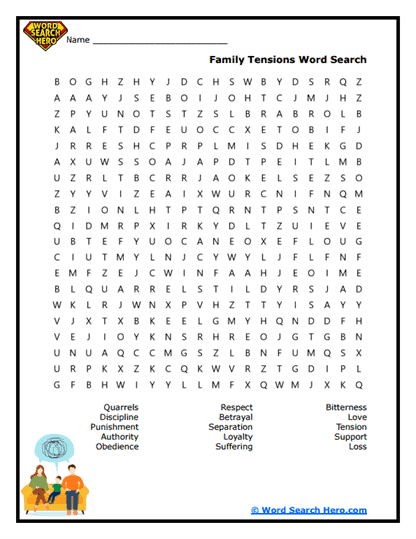
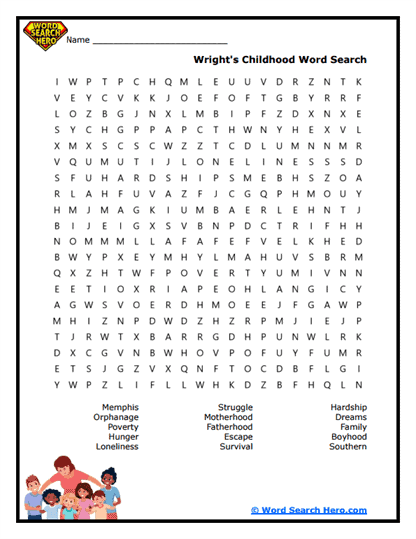
About Our Black Boy by Richard Wright Word Searches
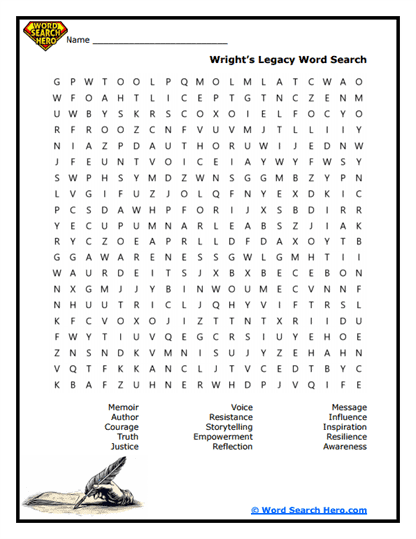
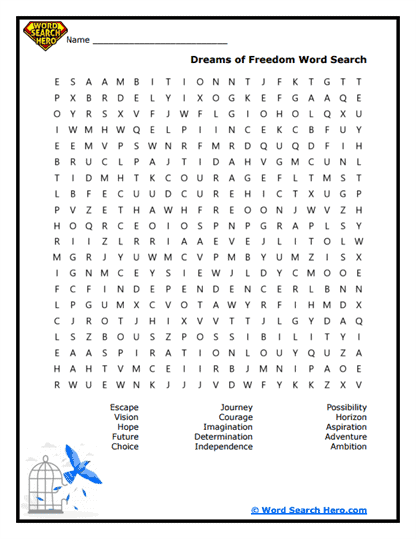
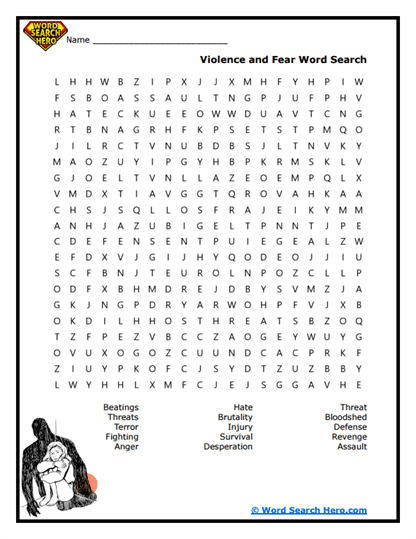
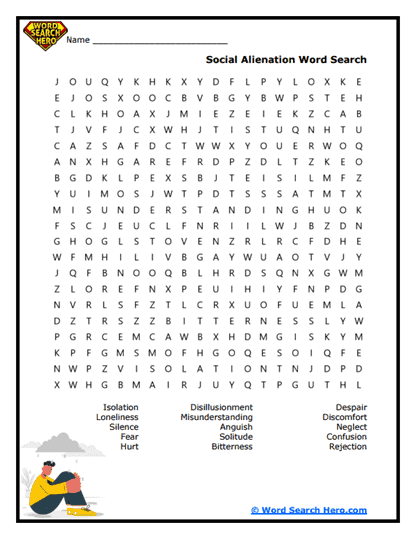
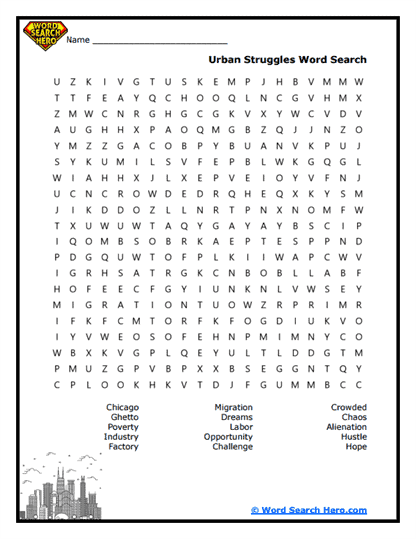
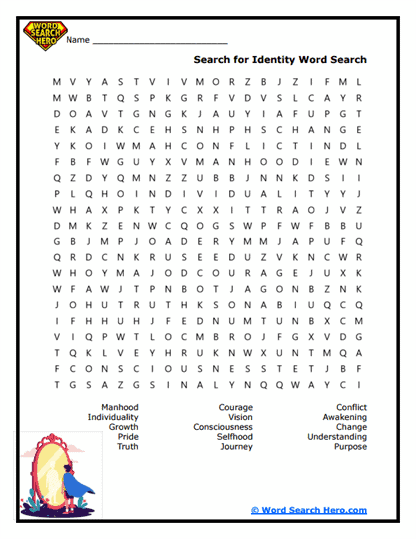
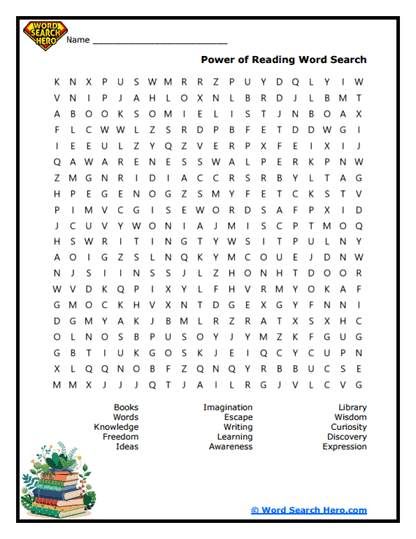
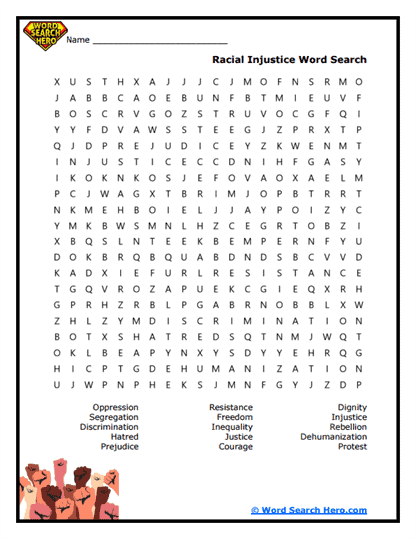
Black Boy word searches provide an engaging way to explore Richard Wright’s powerful memoir while reinforcing its compelling narrative, historical significance, and timeless themes. These printable puzzles introduce students to important vocabulary connected to perseverance, identity, education, injustice, courage, freedom, and self-discovery. As learners search for words, they gain a deeper understanding of the experiences that shaped Wright’s life and the lessons he shares through his memoir.
The memoir follows Richard Wright’s childhood and early adulthood in the American South and later in Chicago as he struggles against poverty, racism, hunger, and limited opportunities. Throughout his journey, Wright discovers that reading, writing, and education provide a path toward personal freedom and self-expression. His story demonstrates that determination and intellectual curiosity can help individuals overcome extraordinary obstacles.
These word searches strengthen vocabulary, reading comprehension, literary analysis, and historical understanding while encouraging thoughtful discussions about resilience, identity, and the power of education.
With puzzles covering family, justice, personal growth, literacy, courage, and hope, this collection helps students develop a richer appreciation for one of the most influential memoirs in American literature.
The Narrative and Its Enduring Message
Black Boy tells the story of a young man determined to understand both himself and the world around him despite growing up in circumstances filled with hardship and discrimination. Word searches throughout this collection introduce students to themes such as perseverance, knowledge, identity, family, courage, injustice, hope, and personal growth. Together, these ideas reveal how Richard Wright transforms adversity into motivation.
At its heart, the memoir explores the search for freedom-not only physical freedom, but also intellectual and emotional independence. Wright faces poverty, racism, and isolation, yet he continually seeks knowledge through books and writing. Education becomes his greatest source of strength, allowing him to imagine a future beyond the limitations imposed upon him.
Rather than portraying hardship as something that defines a person forever, Black Boy emphasizes resilience and self-determination. Wright’s journey reminds readers that curiosity, courage, and the willingness to keep learning can open doors even in the most difficult circumstances.
Encouraging students to consider questions such as, “Why did books become so important to Richard Wright?” or “How did adversity shape his determination?” helps them better understand both the memoir and its lasting message.
Paul’s Pro-Tip

One of the most effective ways to use a Black Boy word search is to create a “growth timeline.” As students find vocabulary like knowledge, courage, identity, freedom, and determination, have them place each word on a timeline showing where it becomes important in Wright’s life. Then ask them to explain how each experience helps him grow as both a person and a writer. This allows students to see that personal development happens gradually through many experiences rather than one defining moment.
Another valuable activity is the “books changed everything” challenge. After completing the puzzle, have students identify every vocabulary word connected to reading, writing, learning, or self-expression. Then discuss how education changes Wright’s outlook on life and compare it to other influential autobiographies or memoirs they have read. This helps students recognize that literacy is not simply a school subject in Black Boy-it becomes a powerful tool for freedom, independence, and finding one’s voice.
From Story to Literary Understanding
Black Boy word searches become even more meaningful when students connect the vocabulary to the memoir’s broader themes. After completing a puzzle, students can choose one word and explain how it influences Richard Wright’s decisions or personal development.
For example, students might explore how hunger represents both physical need and a desire for knowledge, how courage allows Wright to challenge injustice, or how writing gives him a voice that cannot be silenced. Others may examine how hope motivates him to pursue opportunities beyond the limitations of his childhood.
These activities naturally support literature, history, and social studies by encouraging discussions about segregation, education, personal resilience, freedom of expression, and the historical realities of the early twentieth-century United States.
By connecting vocabulary to character growth and historical context, students transform a simple word search into a deeper exploration of one of America’s most important autobiographical works.
Frequently Asked Questions
Why is Black Boy considered an important American memoir?
Black Boy offers a firsthand account of Richard Wright’s childhood and young adulthood while examining poverty, racism, education, and personal determination. Its honest storytelling provides valuable historical insight and continues to inspire readers through its themes of resilience and self-discovery. The memoir remains a cornerstone of American literature because of its literary power and historical significance.
What is the central message of Black Boy?
The memoir teaches that perseverance, education, and self-expression can help individuals overcome even the greatest obstacles. Richard Wright demonstrates that knowledge and determination create opportunities for growth despite injustice and hardship. His story encourages readers to continue learning and seeking their own voice.
Why are books and education so important in Black Boy?
Books provide Richard Wright with knowledge, hope, and the ability to imagine possibilities beyond his immediate circumstances. Reading helps him understand the world while writing allows him to express his experiences and ideas. Together, they become powerful tools for personal freedom and intellectual independence.
How can I make Black Boy word searches more interactive?
Have students connect each vocabulary word to a specific event, challenge, or lesson from Wright’s memoir. Another excellent activity is creating a timeline that shows how important ideas such as courage, knowledge, and identity develop throughout his life. These exercises reinforce vocabulary while strengthening literary analysis and historical understanding.
What literary themes should students pay close attention to while reading Black Boy?
Students should focus on perseverance, education, identity, family, racism, justice, courage, freedom, self-discovery, resilience, hope, and the power of writing. These themes appear throughout the memoir and shape Richard Wright’s personal journey. Understanding how they connect helps readers appreciate both the historical context and the memoir’s enduring message.