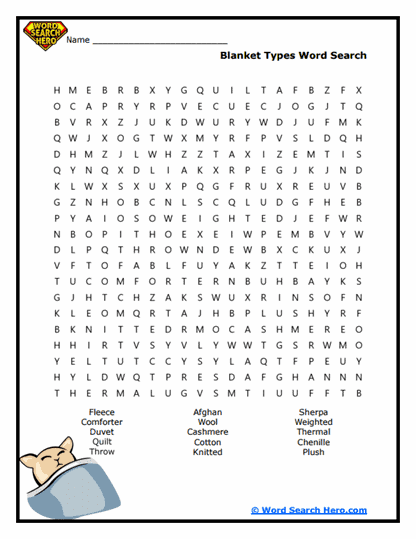
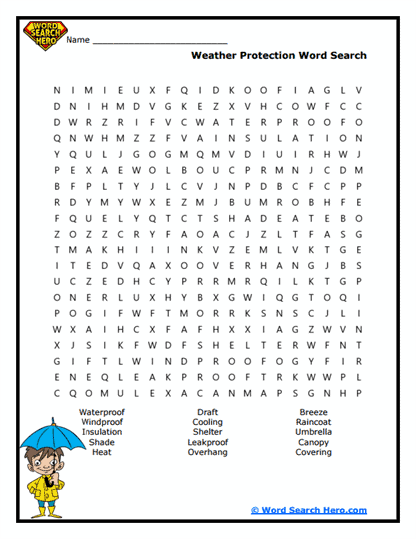
About Our Building Forts Word Searches
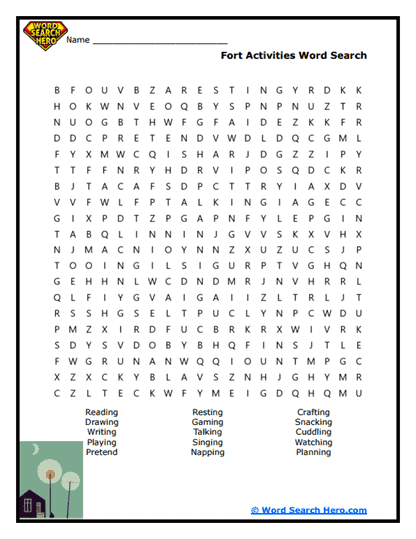
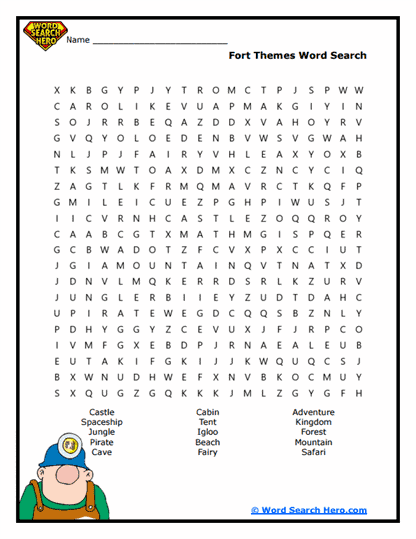
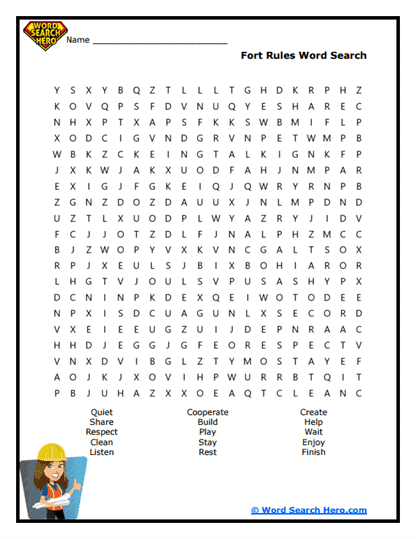
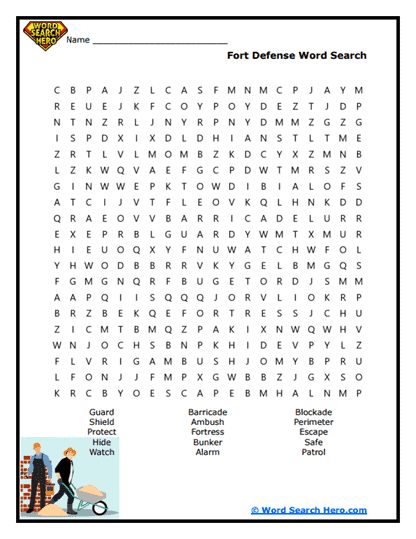
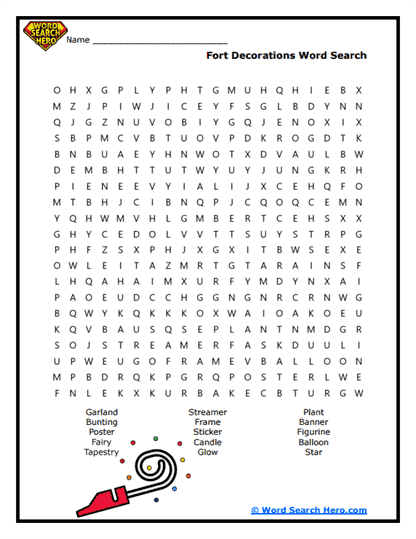
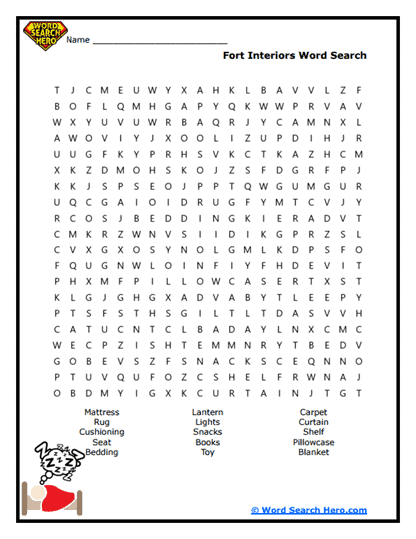
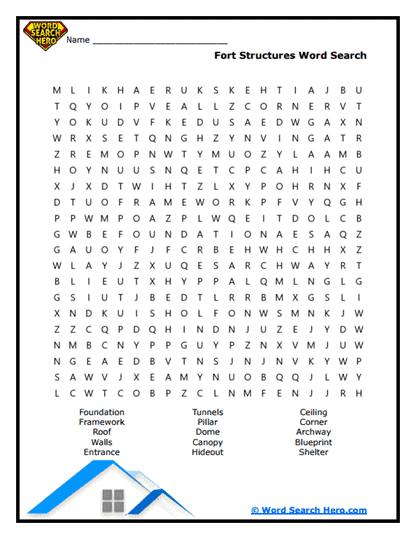
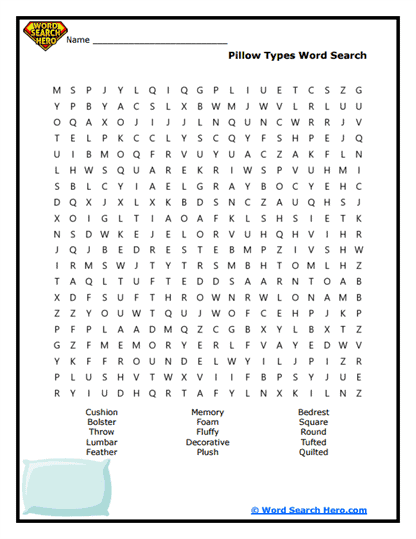
Building Forts word searches introduce students to vocabulary connected with creativity, construction, and imaginative play. These printable puzzles help learners become familiar with words related to blankets, cushions, hiding places, and the materials often used to build indoor or outdoor forts. Because fort building is a favorite activity for many children, the vocabulary in these puzzles connects naturally with play and exploration.
Students exploring this theme may encounter words such as fort, blanket, pillow, chair, hideout, tunnel, and tent. These words frequently appear in conversations about imaginative play and building activities. A word search provides a fun way to reinforce this vocabulary while strengthening spelling recognition, reading confidence, and observation skills.
Because the activity feels like a puzzle rather than a traditional worksheet, it can make literacy practice more engaging. Teachers often use these printables during learning centers, indoor recess, creative play lessons, or early finisher activities. Parents and homeschool educators can also include them in lessons as a screen-free activity that blends vocabulary development with imaginative play.
As students search the puzzle grid for hidden words, they strengthen concentration, visual scanning skills, and pattern recognition. These abilities support reading development while keeping the activity playful and engaging.
Why Building Forts Encourages Creativity
Fort building is a classic childhood activity that encourages imagination and problem-solving. Children often build forts using blankets, cushions, boxes, or outdoor materials to create private spaces for play and storytelling.
When building a fort, students practice basic construction thinking. They decide how to support blankets with chairs, how to create entrances, and how to make their structures stable. This process encourages planning and experimentation.
Forts often become settings for imaginative adventures. A blanket fort might become a castle, spaceship, secret hideout, or reading nook. This type of imaginative play helps develop creativity, storytelling skills, and social interaction when children build together.
Learning vocabulary connected to building and play helps students describe their creations and explain how their forts are designed.
Word searches reinforce this learning by giving students repeated exposure to words related to building, creativity, and imaginative spaces.
Paul’s Pro-Tip
A fantastic extension activity is a fort design challenge. After students complete the word search, invite them to sketch a plan for their ideal fort.
Students can draw the layout of their fort, label the materials they would use, and describe features such as entrances, tunnels, or lookout spots. Older students can even explain how their fort stays stable or how it protects the space inside.
This activity combines creativity, planning, and vocabulary practice while encouraging students to think like designers.
Encouraging Imaginative Play
Imaginative play is a powerful part of childhood learning. Activities like building forts allow students to experiment with ideas, cooperate with others, and create their own worlds.
Vocabulary related to building and play appears frequently in storytelling, creative writing, and classroom discussions. When students become familiar with these words, they gain language skills that help them describe their ideas and explain their creations.
A word search can serve as a calm activity before or after creative play. After completing the puzzle, educators can encourage students to build small forts using classroom materials or draw imaginative hideouts inspired by the words they discovered.
When students become familiar with vocabulary related to building forts, they strengthen both their language skills and their creative thinking.
Frequently Asked Questions
What are Building Forts word searches?
They are puzzles that feature vocabulary related to building play spaces using blankets, cushions, and other materials.
Why do children enjoy building forts?
Fort building allows children to use imagination, create private play spaces, and invent stories or adventures.
What kinds of words might appear in these puzzles?
Examples include fort, blanket, pillow, chair, hideout, tunnel, and tent.
Are these puzzles suitable for younger learners?
Yes. The vocabulary is simple and connected to activities many children already enjoy.
What classroom activity pairs well with this puzzle?
Students can design and draw their own imaginary fort, labeling the materials and features they would include.