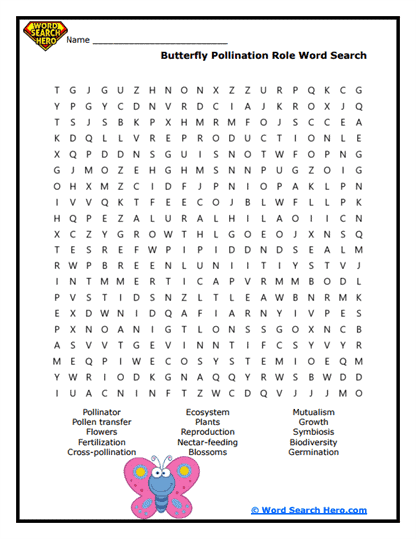
About Our Butterfly Word Searches
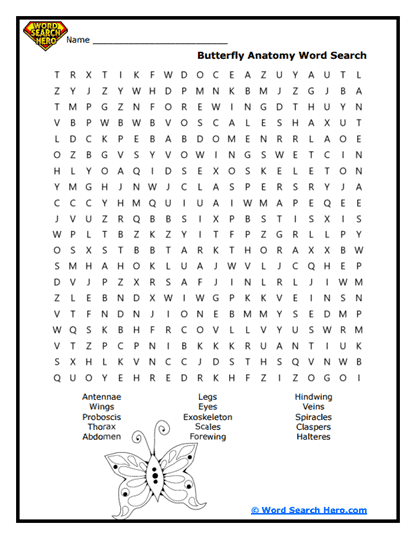
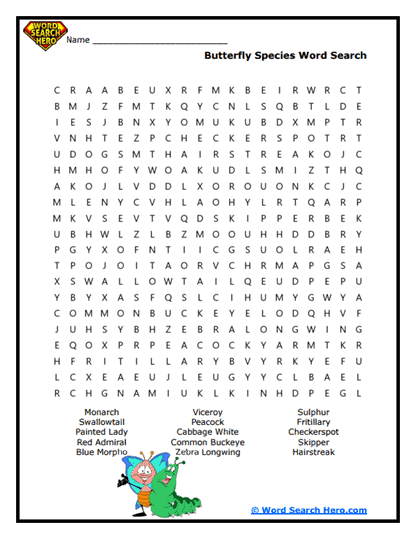
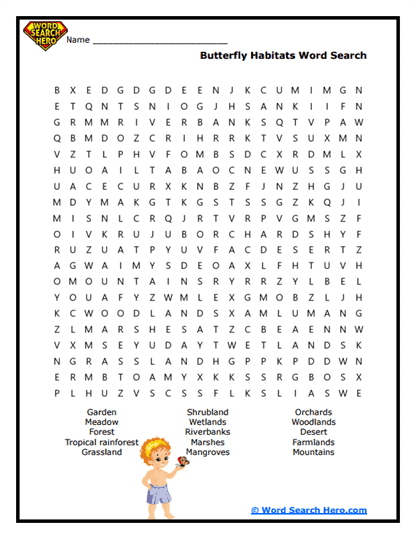
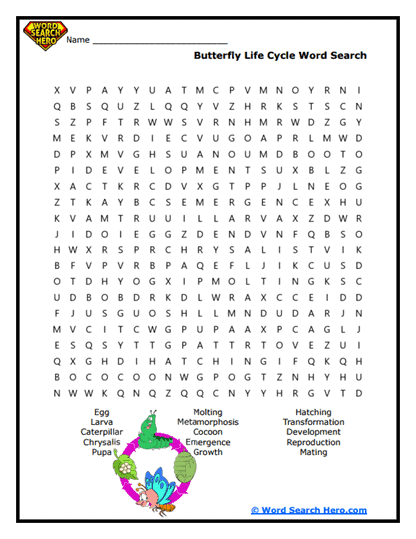
Our Butterfly Word Searches explore the colorful and fascinating world of butterflies while offering a fun and engaging puzzle activity. These printable puzzles feature vocabulary connected to butterflies, flowers, gardens, and natural ecosystems. Teachers, parents, and homeschool educators often enjoy using themed puzzles like these because they combine science topics with valuable vocabulary and reading practice.
As participants search through the puzzle grid for hidden words, they strengthen important literacy skills such as spelling recognition, visual scanning, and pattern identification. Word searches encourage learners to carefully scan rows, columns, and diagonals while locating each word. Although the activity feels like a relaxing game, it quietly reinforces reading fluency, concentration, and attention to detail.
The butterfly theme is especially engaging because butterflies are among the most colorful and recognizable insects in nature. Words related to wings, nectar, flowers, and pollination introduce participants to the unique characteristics of butterflies. This connection to nature and environmental science helps keep participants motivated while strengthening vocabulary recognition.
Teachers often include butterfly-themed puzzles during lessons about insects, life cycles, or ecosystems. Parents and homeschool families also appreciate how easy the puzzles are to print and use during independent learning time or nature-themed activities.
By combining insect-related vocabulary with an engaging puzzle format, butterfly word searches create an educational activity that encourages curiosity about the natural world while strengthening reading and language skills.
Discovering the World of Butterflies
Butterflies are insects known for their colorful wings and graceful flight. They begin life as caterpillars and go through a process called metamorphosis, where they transform inside a chrysalis before emerging as adult butterflies. This life cycle is one of the most fascinating transformations in the natural world.
Common butterfly-related words might include butterfly, wings, nectar, caterpillar, chrysalis, and flower. As participants search for these words inside the puzzle grid, they practice recognizing spelling patterns and strengthening word recognition skills. Repeated exposure helps reinforce vocabulary while making the activity enjoyable.
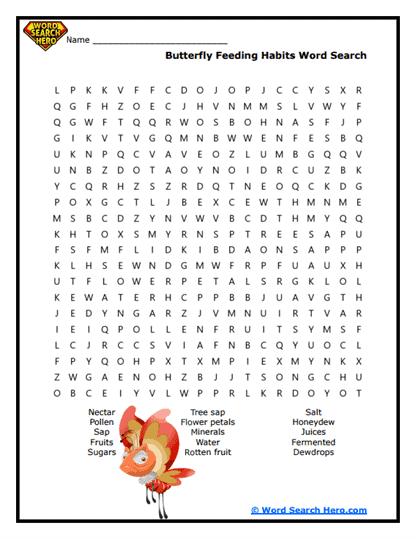
Butterflies feed mainly on nectar from flowers using a long, tube-like mouthpart called a proboscis. As they move from flower to flower collecting nectar, they also help pollinate plants. This makes butterflies important contributors to healthy gardens and ecosystems.
Teachers sometimes connect butterfly vocabulary with lessons about life cycles and plant pollination. Students may learn how butterflies grow and change during their life stages and how they help plants reproduce.
By exploring butterfly vocabulary through puzzles, learners strengthen language skills while discovering more about these beautiful and important insects.
Paul’s Pro-Tip

Butterfly word searches are great for connecting puzzles with lessons about life cycles in nature. I like to challenge learners to find a few butterfly-related words before we talk about how caterpillars transform into butterflies through metamorphosis.
Once they discover them, the conversation often turns to how butterflies visit flowers to collect nectar. It’s a simple way to spark curiosity about insect life cycles while keeping the puzzle fun.
Turning Butterfly Puzzles Into Nature Learning
Butterfly word searches can easily lead to engaging learning activities about insect life cycles and pollination. After completing the puzzle, teachers can invite students to choose one butterfly-related word they discovered and explain what they know about it.
For example, a student who finds the word caterpillar might describe the early stage of a butterfly’s life. Another learner who spots the word chrysalis might explain how butterflies transform during metamorphosis.
Another engaging extension is a butterfly life cycle challenge. Students can draw or describe the four stages of a butterfly’s life: egg, caterpillar, chrysalis, and adult butterfly. This activity reinforces vocabulary while encouraging curiosity about insect development.
Families can also connect puzzles with learning at home. After finishing the word search, children might observe butterflies in gardens, plant butterfly-friendly flowers, or read books about insects and nature.
By linking puzzles with discovery and discussion, educators and parents transform a simple word search into a learning experience that celebrates nature, curiosity, and the colorful world of butterflies.
Frequently Asked Questions
How can teachers use butterfly word searches in the classroom?
Teachers often use these puzzles as warm-up activities, early finisher tasks, or quiet brain breaks during lessons about insects or life cycles. The butterfly theme reinforces vocabulary related to metamorphosis, pollination, and ecosystems while keeping students engaged in learning.
Are butterfly word searches helpful for homeschool learning?
Yes, they work very well in homeschool environments because they combine vocabulary practice with interesting science topics about insects and nature. Parents can print a puzzle and then follow it with lessons about butterfly life cycles, pollination, or garden ecosystems.
Do word searches help students learn science vocabulary?
Word searches reinforce vocabulary by repeatedly exposing learners to science-related terms in a visual format. As students scan the puzzle grid and recognize spelling patterns, they strengthen word recognition skills that support reading comprehension and science learning.
What age groups enjoy butterfly-themed word searches the most?
Elementary and middle school students often enjoy these puzzles because butterflies are colorful, easy to observe, and closely connected to nature lessons. Older students and adults can also enjoy them as relaxing brain challenges that reinforce vocabulary and observation skills.
Why are butterflies important for ecosystems?
Butterflies help pollinate flowers while collecting nectar, which helps many plants reproduce and grow. They also serve as an important part of the food chain, providing food for birds and other wildlife while contributing to healthy ecosystems.